
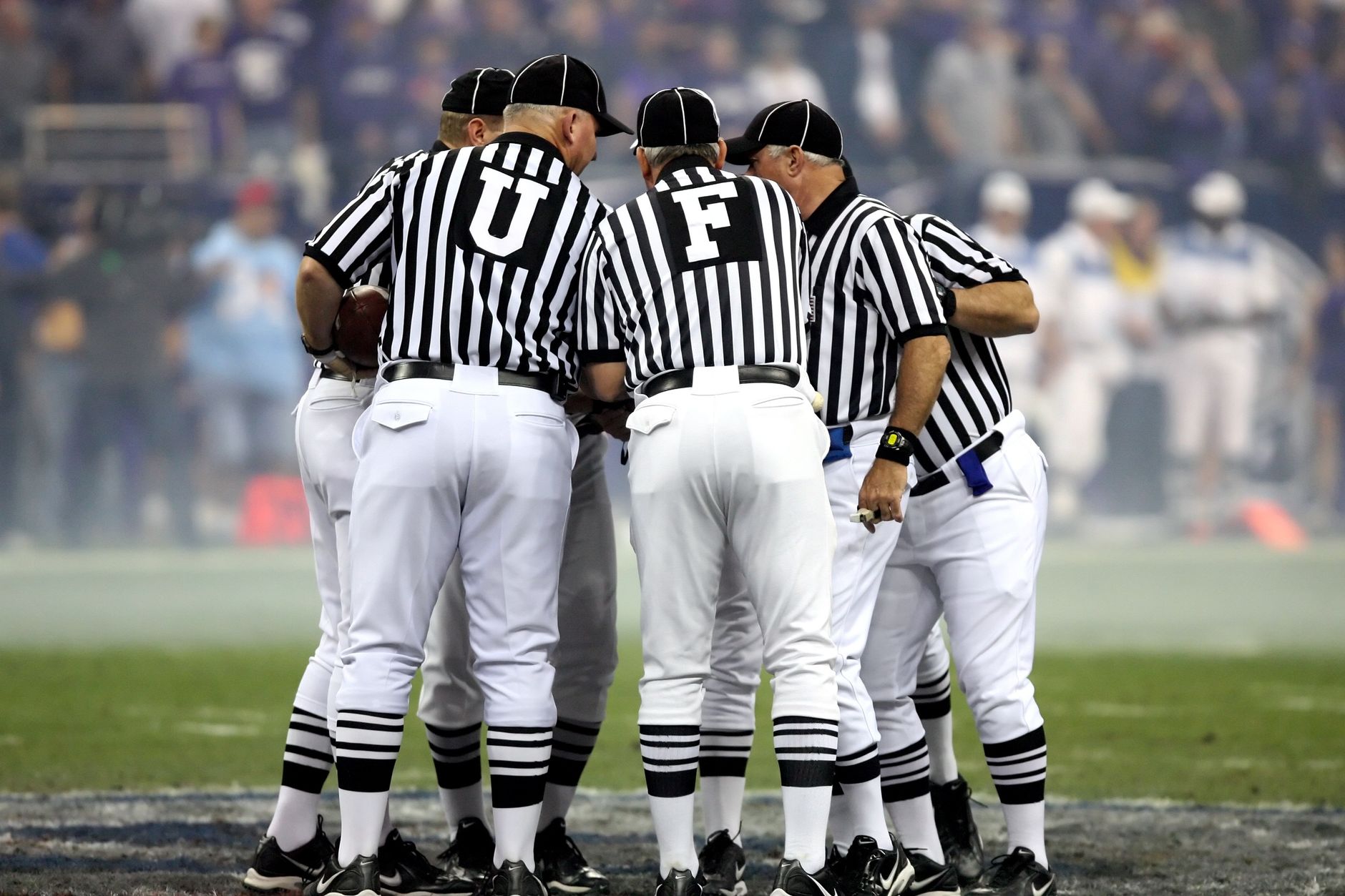
The college football rules change has sparked debate among coaches and fans alike. Recently, a head coach was surprised to learn that mid-game rule alterations were permissible, highlighting the complexities of the sport’s regulations.
Understanding the Recent College Football Rules Change
In an unprecedented move, college football coaches have reached a consensus to implement a significant college football rules change during the course of a game. This surprising decision has sparked widespread discussion among players, coaches, and fans alike, emphasizing the need for adaptability within the sport.
During a recent game, a head coach was caught off guard when a new ruling was introduced, leading to a moment of confusion on the sidelines. He admitted, “I didn’t even know that was legal,” highlighting the ongoing evolution of the game and the necessity for coaches to stay informed about the latest regulations.
The college football rules change aims to enhance the pace of play and improve overall game flow. Coaches believe that these modifications can reduce stoppages and create a more dynamic viewing experience for fans. However, the swift implementation has raised questions about how well coaches and players can adjust mid-game.
Key aspects of the new rules include:
- Streamlined procedures for timeouts and substitutions.
- Changes in penalty enforcement to minimize interruptions.
- Enhanced communication protocols among officials and coaching staff.
As the season progresses, the impact of these changes will be closely monitored, with many hoping they lead to a more exciting and fluid style of play in college football.
Impact of Mid-Game Rule Adjustments
Recent developments in college football have sparked discussions on the impact of mid-game rule adjustments. As coaches and players alike adapt to the evolving landscape, the implications of these changes become increasingly significant.
One of the primary concerns among coaches is how these college football rules changes can affect game strategy and player performance. Specifically, mid-game adjustments can create confusion regarding the enforcement of rules, as evidenced by a head coach’s surprise at the legality of a recent ruling.
Coaches have expressed that:
- Such adjustments can disrupt team momentum.
- Players may struggle to adapt quickly to new regulations.
- The integrity of the game could be questioned when rules change unexpectedly.
Moreover, the necessity for consistent communication among officials, players, and coaching staff is paramount. Coaches advocate for:
- Clear guidelines on when and how rules can be adjusted during a game.
- Increased transparency to ensure everyone is aware of the implications of any rule changes.
- Training sessions to help players understand new regulations thoroughly.
Ultimately, while adapting to college football rules changes is essential, a well-structured approach is necessary to minimize disruption and maintain the sport’s competitive spirit.
Coach Reactions to New Regulations
As the college football landscape evolves, reactions from coaches regarding the recent college football rules change have been mixed, reflecting a range of opinions on the adjustments. Many coaches have expressed their surprise at the speed and nature of the rule modifications, particularly those implemented mid-game.
- Coach Mike Thompson of the Westview Wildcats stated, “We need to be adaptable, but changes like this can throw off our game plan.”
- Coach Sarah Mitchell from Eastside Eagles remarked, “I didn’t even know that was legal to change the rules during a game. It’s unprecedented!”
- Coach James Rivera of the North Valley Vipers emphasized the importance of clear communication. “If the rules are changing, we must ensure everyone is on the same page,” he said.
Despite the concerns, some coaches see the potential benefits of the new regulations. Coach Lisa Chang from the Riverwood Rams noted, “If these changes lead to a safer game, then they are worth considering, even if they come with challenges.” The consensus among coaches is that while adaptability is crucial, understanding the implications of the college football rules change is equally important to maintaining the integrity of the sport.
Legal Aspects of College Football
The landscape of college football is constantly evolving, particularly as the NCAA introduces new regulations to enhance the game. One significant aspect of these college football rules changes involves the legal implications surrounding the adjustments. Coaches and players alike must navigate these modifications while ensuring compliance with existing laws and NCAA guidelines.
Many coaches have expressed surprise regarding the legalities of certain adjustments made during games. One head coach noted, “I didn’t even know that was legal,” reflecting a broader sentiment among coaching staff about the need for clear communication regarding rule changes. This situation underscores the importance of understanding not just the rules themselves, but also the legal framework that governs them.
As rules evolve, so do the strategies employed by teams. Coaches must familiarize themselves with both the letter and the spirit of the law to avoid penalties that could impact game outcomes. The following are critical legal aspects to consider:
- Compliance: Ensuring all team activities align with NCAA regulations.
- Player Safety: Adherence to rules designed to protect athletes from injury.
- Game Integrity: Maintaining fair play and ethical standards throughout the season.
Ultimately, understanding the legal aspects of college football is essential in adapting to new rules while preserving the integrity of the sport.
How Rules Affect Game Strategy
The recent college football rules change has sparked a discussion about how rules directly impact game strategy. Coaches and players must adapt quickly to these modifications, as they can significantly alter the flow and pace of the game.
One crucial aspect is the approach teams take during critical moments. Changes in timing rules can influence whether a team opts for a conservative or aggressive strategy. For example, if the clock continues to run after a first down, teams may need to adjust their play-calling to ensure they can maintain possession and control the game tempo.
Moreover, the college football rules change also affects defensive strategies. With new rules regarding targeting and player safety, defenses must be careful not to incur penalties that could lead to ejections or loss of key players. This requires a shift in tackling techniques and positioning, which can complicate traditional defensive schemes.
Coaches are now faced with the challenge of training their teams to be flexible and reactive. As one coach noted, “We have to rethink our entire approach based on these new rules.” Coaches who can effectively integrate these changes into their game plans are more likely to find success on the field.
Ultimately, the adaptation to rule changes is essential for teams aiming to maximize their performance in an ever-evolving college football landscape.
Future of College Football Regulations
The landscape of college football is continually evolving, and the recent college football rules change highlights the need for ongoing adaptation. As the game progresses, regulations must be revisited to ensure the sport remains competitive and enjoyable for players and fans alike.
One of the primary considerations for the future of college football regulations is maintaining player safety. Rules that prioritize the well-being of athletes are essential as the game becomes increasingly fast-paced and physical. Coaches and administrators are recognizing the importance of implementing guidelines that protect players from unnecessary risks.
Additionally, the introduction of technology in the game may shape future regulations. Video reviews and data analytics are changing how plays are assessed, which could lead to more precise officiating and the potential for rule adjustments based on real-time feedback.
Moreover, as college football continues to gain popularity, fan engagement remains crucial. The rules will need to reflect not only the integrity of the game but also the expectations of the audience. Changes that enhance the viewing experience, such as adjustments to game timing and scoring, may be on the horizon.
In conclusion, the future of college football regulations must balance tradition with innovation, ensuring the sport evolves while preserving its core values.
The recent college football rules change aims to enhance player safety and improve the pace of the game. As fans and players alike adjust to this college football rules change, it is essential to evaluate its impact on the overall experience of the sport.
Photo by Pixabay on Pexels