
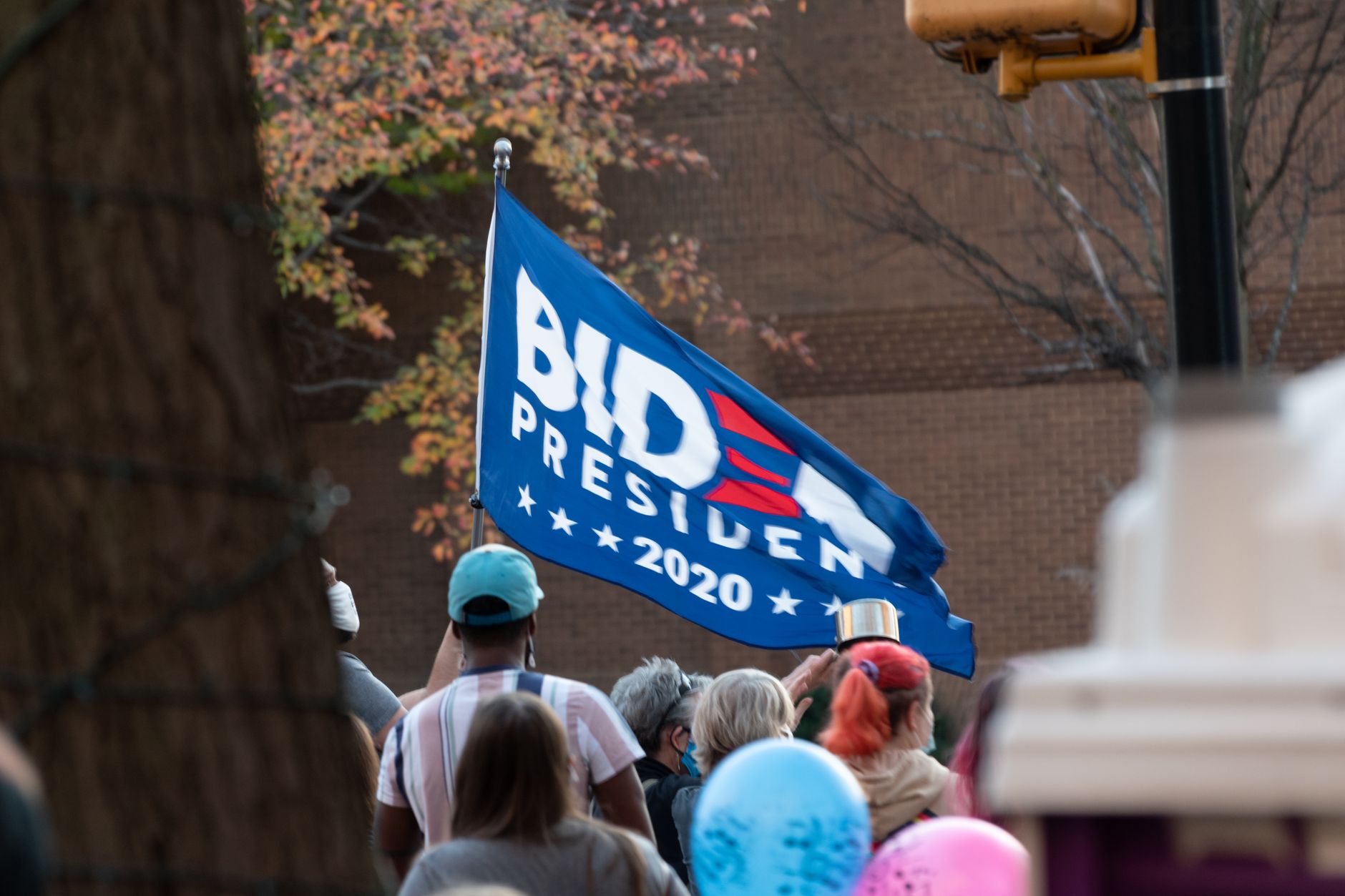
The Biden power plant rule is under scrutiny as the EPA moves to scrap it, arguing that federal law does not permit climate change regulations.
Overview of the Biden Power Plant Rule
The Biden power plant rule is a significant regulatory measure aimed at reducing greenhouse gas emissions from the nation’s power plants. This rule was introduced as part of the administration’s broader strategy to combat climate change and transition to cleaner energy sources. However, it has faced legal challenges and criticism regarding its effectiveness and implications.
Key aspects of the Biden power plant rule include:
- Emission Reduction Goals: The rule sets ambitious targets for reducing carbon emissions from existing and new power plants.
- Incentives for Clean Energy: It encourages investment in renewable energy sources, such as wind and solar power.
- State Implementation: States are given flexibility in how they meet the new regulations, which has led to a patchwork of approaches across the country.
Despite its intentions, the rule is now under scrutiny as the Environmental Protection Agency (EPA) moves to scrap it, citing federal law limitations on climate change regulations. This development raises questions about the future of U.S. climate policy.
Legal Implications of Scrapping the Rule
The recent move by the EPA to scrap the Biden power plant rule raises significant legal questions regarding federal authority over climate regulations. Critics argue that this decision undermines the progress made in combating climate change, while supporters claim it aligns with a strict interpretation of federal law.
Legal experts highlight several implications of this action:
- Precedent for Future Regulations: The scrapping could set a precedent that limits the EPA’s ability to regulate greenhouse gas emissions, potentially hindering future climate initiatives.
- State Authority vs. Federal Control: This decision may lead to conflicts between state-level climate policies and federal regulations, complicating enforcement and compliance.
- Litigation Risks: Environmental advocates are likely to challenge this decision in court, which could result in prolonged legal battles over the extent of the EPA’s powers under the Clean Air Act.
As the debate unfolds, the implications of the Biden power plant rule’s repeal remain a focal point for policymakers and environmentalists alike.
Arguments Against Climate Change Regulations
Critics of the Biden Power Plant Rule argue that it represents an overreach of federal authority and could impose undue burdens on the energy sector. They contend that comprehensive climate regulations may hinder economic growth and lead to job losses in traditional energy industries.
Several key arguments against the rule include:
- Economic Impact: Opponents assert that the Biden Power Plant Rule could drive up energy costs for consumers and businesses, impacting overall economic stability.
- Job Losses: There are concerns that strict regulations may lead to significant job losses, particularly in coal and natural gas industries, which are vital to many communities.
- Legal Challenges: The legality of such regulations is highly contested, with many arguing that federal law does not permit the regulation of climate change as proposed.
- Technological Innovation: Critics believe that the focus on regulatory measures might stifle innovation in cleaner technologies, as companies could be less incentivized to invest in new solutions.
These arguments raise important questions about the balance between environmental goals and economic realities.
Future of Environmental Policies
The future of environmental policies in the United States remains uncertain as the Biden power plant rule faces significant legal challenges. With the Environmental Protection Agency (EPA) announcing its intent to scrap the rule, many are questioning the effectiveness of federal climate change regulations.
Proponents of the Biden power plant rule argue that it is crucial for achieving long-term sustainability and reducing carbon emissions. However, critics assert that the rule imposes unnecessary burdens on the energy sector, which could lead to economic repercussions. The debate highlights a broader concern regarding the role of government in addressing climate change.
As states and local governments increasingly take action to combat climate change, the federal landscape may continue to evolve. Key factors influencing future policies will likely include:
- Public opinion: Growing awareness of climate issues may pressure lawmakers to act.
- Technological advancements: Innovations in clean energy could reshape regulatory frameworks.
- Legal developments: Ongoing court cases may redefine the limits of federal authority.
Ultimately, the trajectory of environmental policies will depend on a complex interplay of these elements.
Photo by Drew Anderson on Pexels
