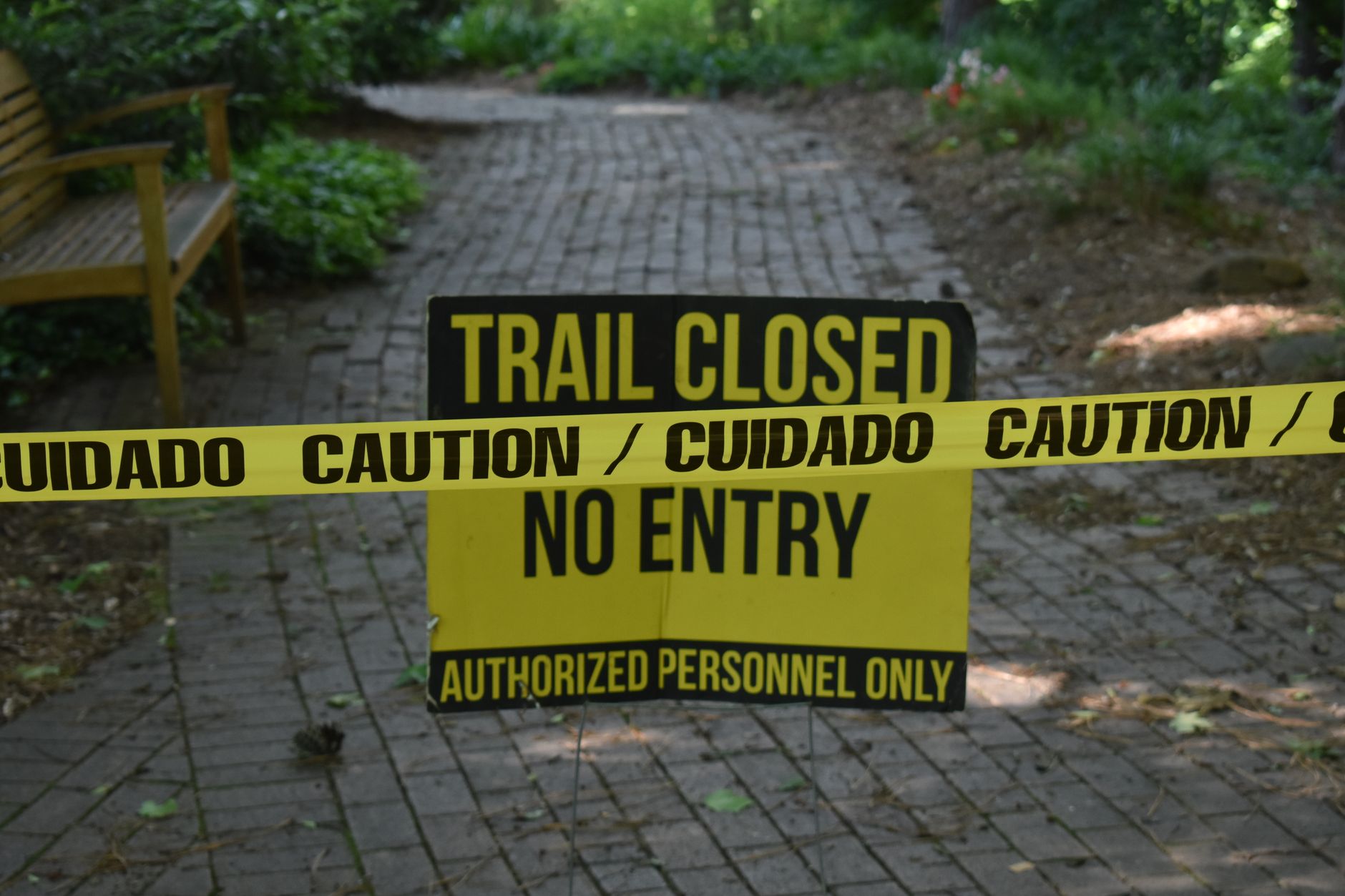
Central Park closure has sparked significant concern among traders. As the situation unfolds, the Supreme Court has indicated it will act if there are losses.
Understanding the Central Park Closure
The recent Central Park closure has raised significant concerns among local traders and businesses, prompting discussions about the potential impact on their rights and livelihoods. As the park remains inaccessible due to ongoing protests and legal actions, traders are increasingly voicing their frustrations.
Many small business owners rely on foot traffic generated by visitors to Central Park. With the park closed, they are witnessing a dramatic drop in customers, leading to:
- Decreased sales and revenue.
- Challenges in meeting operational costs.
- Increased anxiety about long-term sustainability.
The Supreme Court has acknowledged these concerns, indicating a readiness to intervene if traders continue to experience significant losses. The court’s stance highlights the delicate balance between public demonstrations and the rights of local businesses.
As discussions unfold, traders are calling for solutions that ensure both the right to protest and the protection of their economic interests. The outcome of this situation remains uncertain, but the implications of the Central Park closure on local commerce are becoming increasingly apparent.
Supreme Court’s Stance on Trader Losses
The Supreme Court has made its stance clear regarding the ongoing concerns surrounding trader losses due to the Central Park closure. In a recent statement, the Court acknowledged the impact of such closures on the livelihoods of local traders and emphasized the need for a balanced approach that protects both public interests and the rights of individuals.
This comes in light of numerous complaints from traders who have reported significant declines in their revenues since the closure of Central Park. The traders argue that the ongoing situation has not only affected their sales but has also led to job losses in the area.
In response to these grievances, the Supreme Court urged relevant authorities to assess the situation thoroughly. The Court indicated that it would intervene if evidence of substantial losses is presented, stressing that traders’ rights must be upheld even during times of civic unrest.
As the situation evolves, traders remain hopeful that their concerns will be addressed promptly. The Supreme Court’s commitment to evaluating the effects of the Central Park closure reflects a growing recognition of the economic challenges faced by those dependent on the park’s foot traffic.
Legal Implications of the CJP Stir
The recent Central Park closure has raised several legal implications for traders affected by the decision. The Supreme Court, while addressing the concerns raised by traders, emphasized the need to protect their rights amidst ongoing disputes. In this context, the court stated that it would intervene if substantial losses were demonstrated by the traders due to the closure.
One of the primary legal concerns revolves around the principle of equitable treatment. Traders argue that the abrupt closure infringes on their ability to conduct business, thereby violating their rights to fair compensation. The Supreme Court’s acknowledgment of potential losses signals a willingness to explore remedies that could alleviate the financial burden on those impacted.
Moreover, the court’s position may set a precedent for future cases involving closures and restrictions on trade. Legal experts suggest that this situation could prompt a reevaluation of existing regulations governing public spaces and their impact on local businesses. As discussions continue, traders are encouraged to document their losses meticulously, as this information will be crucial in any legal proceedings that may arise from the Central Park closure.
Traders’ Reactions to the Closure
In response to the recent Central Park closure, traders have expressed deep concern regarding the potential impact on their livelihoods. Many are worried that the ongoing situation will lead to significant financial losses, affecting not only their businesses but also the broader local economy.
Several traders gathered to voice their frustrations, emphasizing the importance of Central Park as a vital trading hub. They believe that the closure disrupts their usual operations and diminishes foot traffic, which is crucial for sales. “This is not just a park; it’s where we connect with our customers,” said one local vendor. “The Central Park closure could mean the end for many small businesses like mine.”
Responses from the local trading community have varied:
- Concern for Future: Many traders fear that prolonged closure will lead to permanent loss of clientele.
- Call for Action: Traders are urging authorities to reconsider the closure, advocating for their rights to operate.
- Legal Support: Some traders are seeking legal advice to understand their options in light of the Supreme Court’s stance.
As the situation evolves, traders remain hopeful for a resolution that respects their rights and livelihoods.
Future of Central Park and Its Users
The future of Central Park and its users remains uncertain, especially in light of the recent closure. As traders grapple with the implications of this situation, several key factors emerge that could shape the park’s destiny.
- Access for Local Traders: The closure has raised concerns about the long-term viability of local traders who depend on foot traffic generated by park visitors. Many fear that if the Central Park closure extends, their businesses will suffer irreparable losses.
- Community Response: Residents and advocacy groups are mobilizing to address the closure, emphasizing the need for transparency and communication from local authorities. They argue that the park is not just a green space but a vital economic hub.
- Potential Legal Actions: With discussions of possible legal actions on the table, traders are looking to assert their rights in light of the closure. Legal experts suggest that any claims will hinge on how the government approaches compensation and support for affected businesses.
- Future Regulations: The ongoing situation may prompt new regulations governing public spaces, aiming to balance community needs with economic interests.
The outcome of these factors will significantly impact the future of Central Park and its diverse user base.
Photo by Julia Boone on Pexels