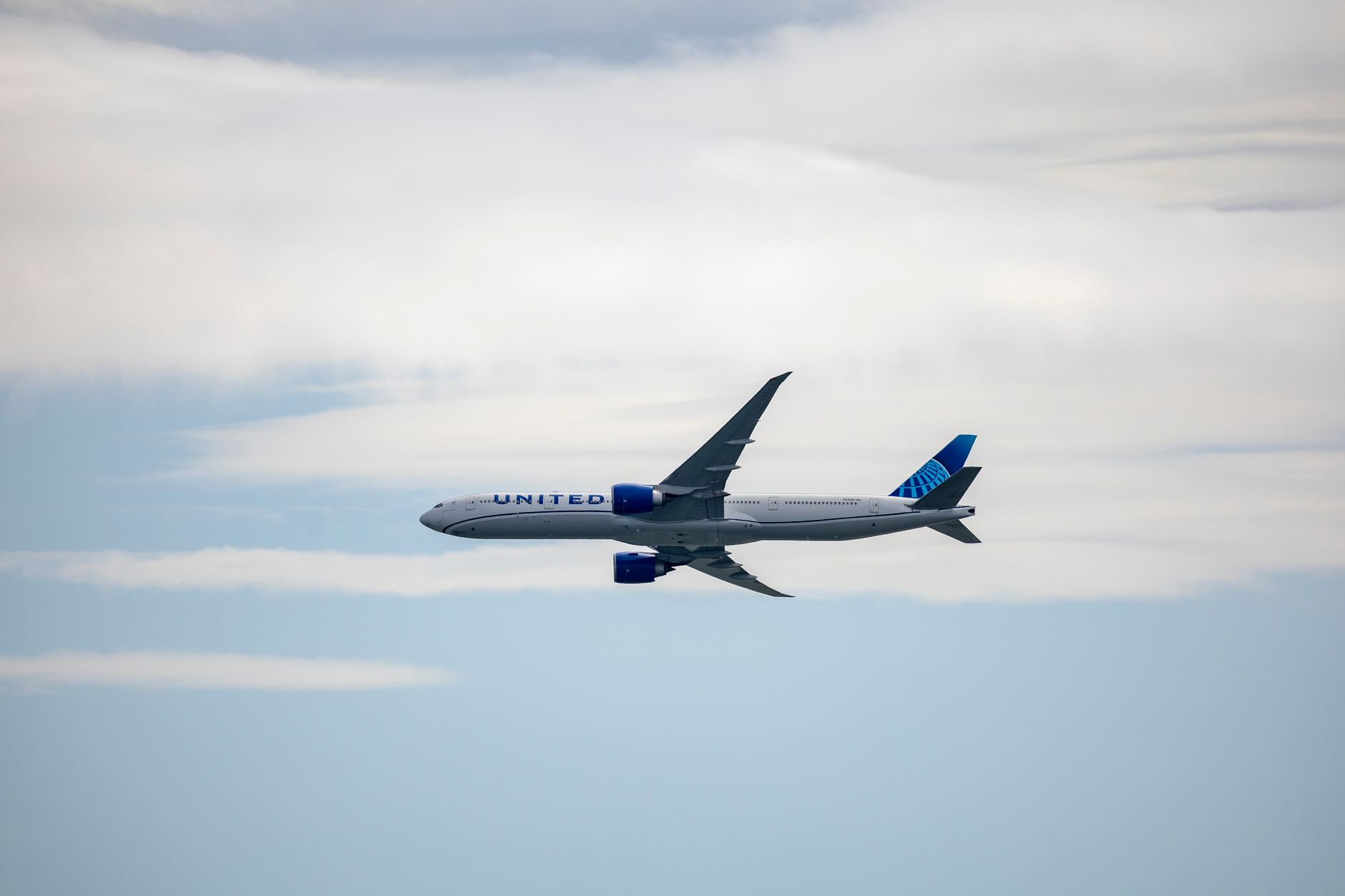
The United Airlines AI booking ban is a significant shift in how flights are booked. Under new rules, the airline has decided to prohibit AI bots from making reservations.
Overview of the New Booking Rules
United Airlines has recently implemented a set of new booking rules aimed at regulating the use of artificial intelligence (AI) in flight reservations. This move comes in response to a surge in AI-driven booking services, which the airline believes could lead to operational challenges and unfair advantages.
The new rules explicitly prohibit the use of AI bots for booking flights through United Airlines’ platforms. This decision has sparked a mix of reactions from customers and industry experts alike. While some appreciate the effort to maintain a level playing field, others are concerned about potential limitations on customer convenience.
- Reason for the Ban: United Airlines claims that AI bookings could complicate fare accuracy and availability, which may ultimately harm the customer experience.
- Customer Impact: The airline emphasizes that this ban is intended to protect human travelers and ensure they have a seamless booking experience.
- Industry Response: Competitors are watching closely, as this move could set a precedent for how airlines manage technology in the booking process.
As the airline industry continues to evolve with technological advancements, United Airlines’ AI booking ban raises questions about the future of travel reservations and the role of automation in customer service.
Impact on Travelers and Airlines
The recent United Airlines AI booking ban has raised significant concerns among travelers and industry experts alike. As airlines tighten regulations regarding the use of artificial intelligence in flight bookings, the impact on both consumers and airlines is becoming increasingly apparent.
For travelers, the ban means a potential increase in the time it takes to book flights, as many users have grown accustomed to the efficiency that AI-driven solutions provide. This could lead to:
- Longer wait times: Travelers may experience delays in securing tickets as they revert to traditional booking methods.
- Higher prices: Without the competitive edge of AI tools, prices could rise as airlines lose the ability to optimize their fares dynamically.
- Limited access: Frequent travelers who rely on AI for quick bookings may find themselves at a disadvantage, impacting their travel plans.
On the airline side, the new rules could hinder efficiency and profitability. Airlines may struggle to adapt to the sudden loss of AI capabilities, leading to:
- Increased operational costs: Manual processing may require more staff, raising expenses.
- Decreased customer satisfaction: Longer booking times could frustrate customers and drive them to competitors.
Overall, the United Airlines AI booking ban may reshape the travel landscape in ways that will require careful navigation from both passengers and airlines alike.
Legal Considerations of AI in Travel
The recent decision by United Airlines to implement an AI booking ban has raised significant legal considerations in the travel industry. As artificial intelligence continues to evolve, its integration into various sectors, including travel, is increasingly scrutinized. The United Airlines AI booking ban highlights the complex relationship between technological advancements and regulatory frameworks.
One primary concern is the potential for discrimination. If AI systems are programmed with biased data, they may inadvertently favor certain demographics over others when booking flights. This could lead to potential legal challenges based on equal access and discrimination laws. Additionally, the use of AI in booking processes raises questions about liability. In cases of errors or system failures, determining responsibility—whether it lies with the airline, the technology provider, or the user—could present significant legal hurdles.
Furthermore, as airlines navigate this new landscape, they must also consider data privacy laws. With AI systems processing vast amounts of personal data, compliance with regulations such as the General Data Protection Regulation (GDPR) becomes essential to avoid legal repercussions.
In summary, the legal implications surrounding the AI booking ban are multifaceted, encompassing issues of discrimination, liability, and data privacy, all of which require careful consideration by airlines and lawmakers alike.
Consumer Rights and Airline Policies
As United Airlines implements its new policies, consumer rights are at the forefront of discussions surrounding the recent United Airlines AI booking ban. The airline’s decision to restrict the use of AI bots for booking flights raises several concerns about transparency and fairness in consumer practices.
Airlines have long had the ability to set their own policies, but as technology evolves, customers are becoming increasingly vocal about their rights. Many consumers believe that limiting the use of AI tools can hinder their ability to secure the best deals and make informed choices. Some key points of concern include:
- Access to Information: Customers may feel disadvantaged if they cannot leverage AI to compare prices and options quickly.
- Price Transparency: The ban could lead to less competitive pricing, as consumers may not have access to the same resources as AI-powered tools.
- Customer Support: With AI tools often streamlining the booking process, the ban might result in longer wait times and more frustration for travelers seeking assistance.
As the airline industry adapts to technological advancements, it is crucial for consumers to remain informed about their rights and advocate for fair practices that benefit all travelers.
Future of AI in Flight Bookings
The future of artificial intelligence (AI) in flight bookings is becoming increasingly uncertain, especially after the recent United Airlines AI booking ban. As airlines explore the potential of AI to enhance customer experience and streamline operations, United’s decision raises questions about the balance between innovation and regulation.
Currently, AI technology plays a pivotal role in various aspects of travel, from pricing algorithms to personalized customer service. However, the new rules implemented by United Airlines signal a cautious approach towards the widespread use of AI in booking systems. The airline’s ban on AI bots for booking flights reflects concerns over accuracy, fairness, and potential misuse of automated systems.
As airlines navigate this complex landscape, several key factors will shape the future of AI in flight bookings:
- Regulatory Compliance: Airlines must ensure that their use of AI adheres to evolving regulations and consumer protection laws.
- Consumer Trust: Building confidence in AI systems is crucial for travelers who may be wary of automated bookings.
- Innovation vs. Tradition: Airlines will need to balance technological advancements with traditional customer service practices.
- Competitive Advantage: Companies that effectively integrate AI without compromising ethical standards may gain a significant edge.
Ultimately, the direction of AI in flight bookings will depend on how airlines address these challenges while maintaining a focus on customer satisfaction.
Expert Opinions on the Ban
Experts are divided on the implications of the United Airlines AI booking ban, suggesting that the decision reflects broader concerns about the role of artificial intelligence in travel. Dr. Emily Carter, a professor of aviation technology, argues that such a ban could stifle innovation. “By restricting AI, airlines may miss opportunities to enhance customer experiences and streamline operations,” she stated.
Conversely, Mark Johnson, a consumer rights advocate, believes the ban is a necessary step towards protecting travelers. “With AI systems sometimes generating errors or misinterpreting data, it’s crucial to prioritize human oversight in booking processes,” he explained.
Some industry insiders suggest that the ban may lead to a competitive disadvantage for United Airlines, as other airlines continue to integrate AI tools. “Travelers expect seamless experiences, and competitors who embrace technology might attract customers away from United,” noted Linda Tran, a travel industry analyst.
Additionally, there are concerns regarding the potential for increased costs for consumers. According to David Wong, an economist, “If airlines are forced to hire more agents to compensate for the ban, those costs could be passed on to travelers.” As the debate continues, the long-term effects of the United Airlines AI booking ban remain to be seen.
The United Airlines AI booking ban has raised concerns among frequent travelers who rely on technology for seamless flight arrangements. Critics argue that the United Airlines AI booking ban could hinder efficiency and limit customer choices in an increasingly digital world.
Photo by Stephen Leonardi on Pexels