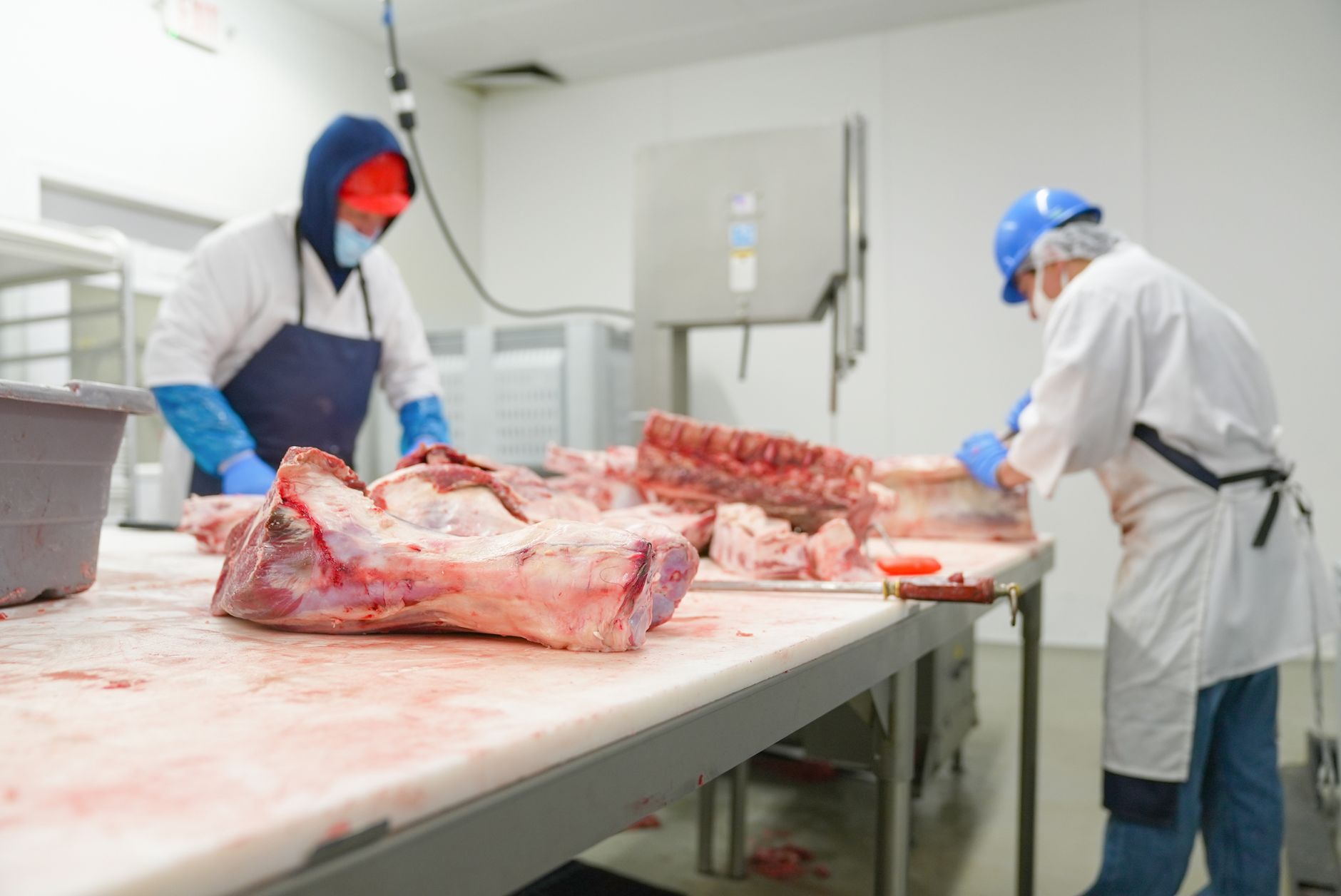
The meat inspection law is now in effect across all local units in Kathmandu Valley, aiming to enhance food safety and quality. This new regulation is crucial for protecting consumers and ensuring proper meat handling.
Overview of the Meat Inspection Law
The recently implemented meat inspection law marks a significant advancement in food safety regulations within the Kathmandu Valley. Enforced across all local units, this legislation aims to ensure that meat sold to consumers is safe, hygienic, and of high quality. The law is a response to growing concerns about foodborne illnesses and the need for stringent controls in the meat supply chain.
Under this new law, the government has established a comprehensive framework that includes:
- Regular inspections: Local authorities will conduct routine inspections of meat processing facilities and markets to ensure compliance with health standards.
- Certification requirements: All meat vendors must obtain necessary certifications that prove their products meet safety regulations.
- Public awareness campaigns: Initiatives will be launched to educate consumers about the importance of safe meat consumption and the role of inspections.
- Traceability measures: The law mandates a traceability system to track meat from slaughterhouses to retail outlets, enhancing accountability in the supply chain.
With these measures, the meat inspection law aims not only to protect public health but also to enhance consumer confidence in the meat industry. Stakeholders across the valley are optimistic that adherence to these regulations will lead to safer meat consumption and a reduction in health risks associated with contaminated meat products.
Importance of Meat Safety Regulations
The implementation of the meat inspection law is crucial for ensuring the safety and quality of meat products available in Kathmandu. With the rise in meat consumption, the need for stringent regulations has never been more pressing. This law aims to protect public health by establishing comprehensive guidelines for meat processing and distribution.
One of the primary objectives of the meat inspection law is to prevent foodborne illnesses that can arise from contaminated meat. By enforcing strict hygiene standards and regular inspections, authorities can significantly reduce the risk of pathogens entering the food supply. This not only secures the health of consumers but also builds trust in local meat markets.
Moreover, the law seeks to promote fair practices among meat vendors. By standardizing inspection processes, it levels the playing field, ensuring that all sellers adhere to the same health and safety requirements. This helps to eliminate unfair competition from those who may cut corners in food safety.
Additionally, the meat inspection law will enhance the overall quality of meat products available to consumers. With established regulations in place, vendors are encouraged to maintain higher standards in their production processes, leading to fresher and safer meat options for the public.
In summary, the importance of the meat inspection law cannot be overstated. It serves as a foundation for a safer food environment while fostering a culture of accountability and quality in the meat industry.
Impact on Local Meat Vendors
The implementation of the meat inspection law has significantly impacted local meat vendors in Kathmandu. With the goal of ensuring consumer safety and maintaining high standards, the law mandates rigorous inspections that have reshaped the way vendors operate.
Many local vendors have expressed mixed feelings about the new regulations. On one hand, adhering to the meat inspection law has improved transparency and trust among consumers. Shoppers are now more confident in the quality of meat they purchase, which has led to an increase in sales for compliant vendors. On the other hand, some vendors face challenges in meeting the stringent requirements set forth by the law.
- Financial Strain: Many small-scale vendors lack the resources to upgrade their facilities or processes to meet the new standards.
- Training Needs: Vendors require training to understand the regulations and implement necessary changes effectively.
- Market Competition: Vendors who comply with the law may find themselves competing against those who do not, creating an uneven playing field.
Despite these challenges, the overall response from the community has been optimistic. Vendors are beginning to realize that compliance not only benefits public health but can also enhance their business reputation in the long run. As the law continues to take effect, it is expected that a culture of safety and quality in meat sales will gradually become the norm in Kathmandu.
Consumer Rights Under the New Law
The implementation of the new meat inspection law has significantly bolstered consumer rights in Kathmandu. This legislation aims to ensure that all meat products sold in the region meet stringent safety standards, thereby protecting public health and enhancing consumer trust.
Under the provisions of the meat inspection law, consumers are entitled to the following rights:
- Right to Safe Meat: Consumers can expect that all meat sold in markets and stores has undergone rigorous inspection to eliminate the risk of contamination or disease.
- Right to Information: The law mandates that vendors provide clear labeling on all meat products, including information on the source and inspection status, allowing consumers to make informed choices.
- Right to Complaint: Consumers are empowered to report any violations or concerns regarding meat quality directly to local health authorities, ensuring accountability among meat vendors.
- Right to Fair Pricing: With standardized inspection processes, consumers can expect fair pricing in accordance with the quality of the meat offered.
This comprehensive approach not only enhances consumer rights but also promotes a culture of transparency and safety within the local meat supply chain. As the meat inspection law takes effect across all local units in Kathmandu Valley, it is hoped that these regulations will lead to a healthier community and a more robust marketplace.
Implementation Timeline for the Law
The implementation timeline for the meat inspection law in Kathmandu has been carefully structured to ensure a smooth transition for local vendors and consumers alike. The law, aimed at enhancing meat safety, was officially enacted following a series of consultations and public awareness campaigns about the importance of regulation in the meat industry.
Initial phases of implementation began with:
- Public Awareness Campaigns: These campaigns started in January 2023, informing vendors and consumers about the new regulations and their benefits.
- Training Sessions: In February and March, training sessions were held for local meat vendors to educate them on compliance requirements and best practices for meat handling.
- Gradual Enforcement: From April 2023, the law entered a gradual enforcement phase, allowing vendors time to adapt to the new standards.
- Full Compliance Required: By July 2023, all local vendors were required to comply with the meat inspection law, ensuring that the meat sold was safe for consumption.
As part of the ongoing monitoring and evaluation process, local authorities will conduct regular inspections to ensure adherence to the law. This proactive approach aims to establish a culture of safety in meat sales, ultimately benefiting the health and well-being of consumers in Kathmandu Valley.
Challenges in Enforcement
The introduction of the meat inspection law has been a significant step towards ensuring food safety in Kathmandu. However, challenges in enforcement remain a critical concern for local authorities and stakeholders.
One of the primary challenges is the lack of adequate resources and trained personnel to effectively implement the law. Many local units report a shortage of inspectors, which hampers their ability to conduct regular inspections of meat vendors.
Additionally, there are concerns regarding the compliance of local meat vendors with the new regulations. Some vendors may not fully understand the requirements of the meat inspection law, leading to unintentional violations. This lack of awareness can result in discrepancies in meat quality and safety.
The infrastructure for meat storage and transportation is another hurdle. Many vendors lack access to proper refrigeration facilities, which can compromise meat quality during transit. This is particularly problematic in warmer months when maintaining proper temperatures is crucial.
Moreover, there are challenges related to public awareness. Consumers often do not know their rights under the new law and may not report violations. This lack of engagement can undermine the law’s effectiveness.
To address these challenges, stakeholders must work collaboratively to enhance training, improve resources, and foster consumer awareness. Only through concerted efforts can the objectives of the meat inspection law be fully realized.
Public Reactions to the New Regulations
Public reactions to the newly implemented meat inspection law in Kathmandu have been mixed, reflecting a range of concerns and hopes from various community members.
Many consumers have expressed relief and support for the regulations, emphasizing their importance in ensuring food safety. Local resident, Maya Sharma, stated, “We have been waiting for these changes for a long time. Knowing that our meat is inspected gives us peace of mind.” This sentiment has been echoed by numerous customers who feel more confident purchasing meat from local vendors.
However, some local meat vendors have voiced their apprehensions regarding the new compliance requirements. They argue that the costs associated with meeting the inspection standards may put small businesses at risk. Vendor Rajesh Thapa noted, “While we understand the need for safety, the financial burden of compliance could be overwhelming for many of us.”
Critics of the law have also raised concerns about the potential for corruption during the inspection process. They worry that improper enforcement could undermine the intended benefits of the regulations. Community activist Priya Joshi remarked, “If there’s no transparency, the law will not serve its purpose. We need to ensure that inspections are fair and unbiased.”
As the community adjusts to these new changes, ongoing dialogue between consumers, vendors, and authorities will be crucial in addressing these concerns and ensuring the effectiveness of the meat inspection law.
Future of Food Safety in Kathmandu
The future of food safety in Kathmandu is poised for significant improvement following the implementation of the new meat inspection law. As local authorities begin to enforce these regulations, the emphasis on rigorous inspections will likely foster a culture of accountability among meat vendors.
With the meat inspection law now in effect, various stakeholders are optimistic about the transformation of food safety standards in the region. Local health officials are committed to ensuring that all meat products meet established safety criteria, which could lead to a decrease in foodborne illnesses linked to contaminated meat. This proactive approach aims to build public trust in the meat supply chain.
Consumers are becoming more informed and aware of their rights regarding meat safety. As awareness grows, there is an expectation that vendors will adapt their practices to align with the new regulations, thereby enhancing the overall quality of meat available in the market.
Moreover, the collaboration between government agencies and local meat vendors is crucial in overcoming challenges faced during the law’s enforcement. Training programs and workshops are being introduced to educate vendors about compliance and best practices in meat handling.
In summary, while the implementation of the meat inspection law presents challenges, it also opens doors to a safer food environment. As Kathmandu continues to adapt, the future of food safety appears brighter, promising a healthier lifestyle for its residents.
Photo by Mark Stebnicki on Pexels