The horse carriage industry ban is poised to change the landscape of New York City transportation. Mayor Mamdani’s expected signature on this bill marks a significant shift in urban mobility and animal welfare.
Overview of the Horse Carriage Industry
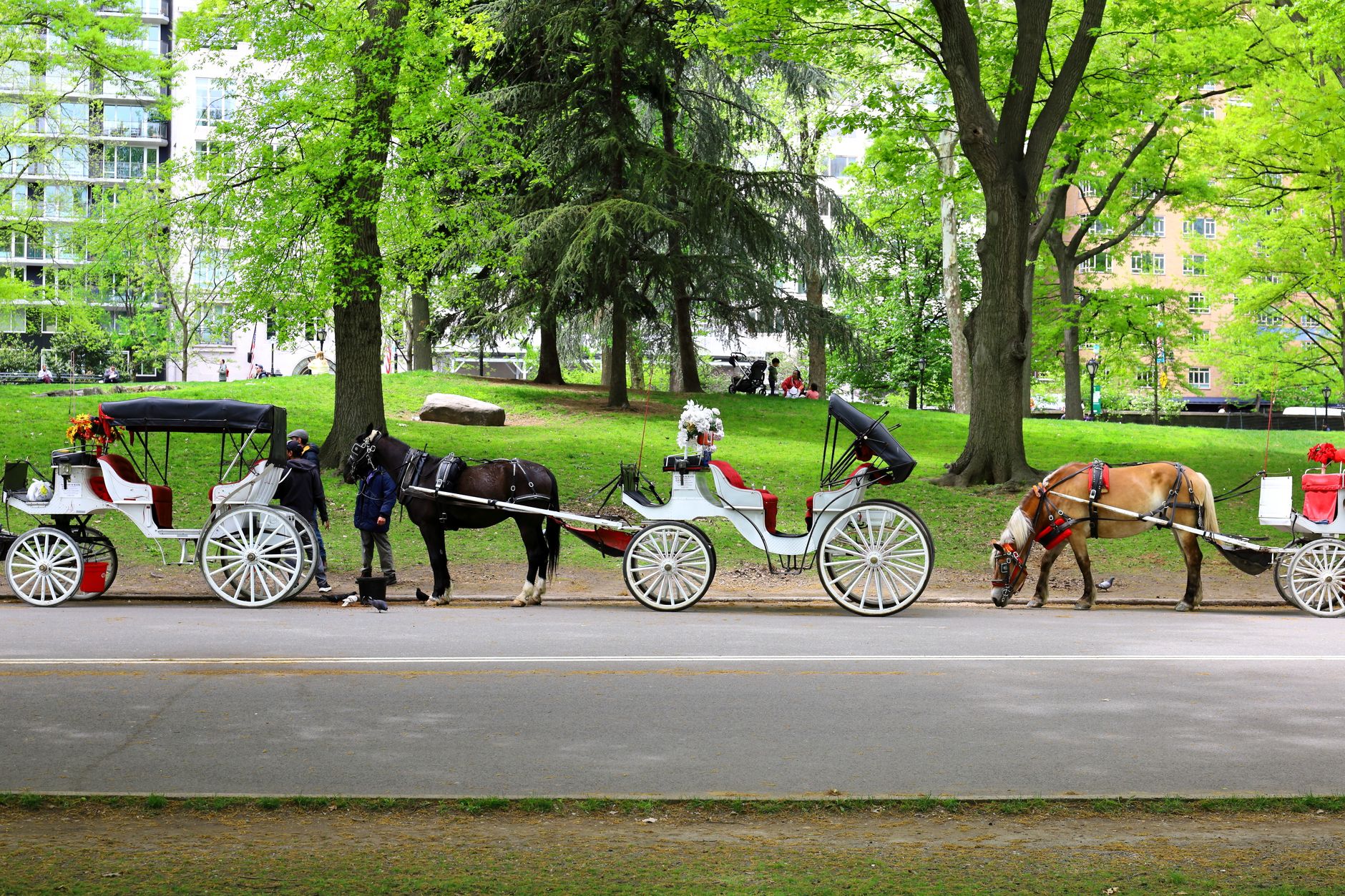
The horse carriage industry has been a long-standing feature of New York City, often romanticized as a charming aspect of the urban landscape. However, it has faced increasing scrutiny over the years due to concerns regarding animal welfare, safety, and the environmental impact of horse-drawn carriages. The industry typically operates in popular tourist areas, such as Central Park, where visitors enjoy leisurely rides pulled by horses.
Despite its appeal, the horse carriage industry has been criticized for the treatment of the horses and the potential hazards posed to both the animals and pedestrians. Reports of horses suffering from injuries and heat exhaustion have raised alarms among animal rights advocates and concerned citizens alike. In response to these issues, NYC Mayor Mamdani is expected to sign a bill banning the horse carriage industry into law, marking a pivotal shift towards prioritizing safety and animal welfare in the bustling metropolis.
The ban aligns with a growing trend among cities across the globe to reconsider the presence of horse-drawn carriages. As urban environments evolve, the focus on sustainable and humane transportation methods gains momentum. Supporters of the ban believe this decision not only protects the horses but also paves the way for more innovative and safer alternatives for tourists and residents alike.
Reasons Behind the Ban
The impending horse carriage industry ban in New York City has sparked considerable debate among residents and animal rights advocates. Several key reasons underpin this decision, reflecting a growing concern for the welfare of horses and the safety of the public.
- Animal Welfare: Critics argue that the conditions under which horses are kept in the city are often inadequate. Many horses work long hours in busy urban environments, leading to stress and health problems.
- Public Safety: The presence of horse-drawn carriages on congested city streets raises significant safety concerns. Incidents involving accidents between vehicles and carriages have been reported, putting both horses and pedestrians at risk.
- Environmental Impact: Advocates for the ban emphasize the environmental implications of the horse carriage industry. The horses contribute to air pollution and waste management issues in an already densely populated area.
- Changing Perspectives: Public opinion is shifting, with growing support for animal rights. Many residents believe that modern transportation alternatives should replace the horse carriage industry, aligning with contemporary values regarding animal treatment.
As NYC Mayor Mamdani moves towards signing the bill, the horse carriage industry ban is seen as a pivotal step toward creating a safer and more humane urban environment.
Impact on NYC Transportation
The impending horse carriage industry ban in New York City is poised to transform the landscape of urban transportation. As the bill progresses towards being signed into law by Mayor Mamdani, many stakeholders are beginning to assess its ramifications.
Supporters of the ban highlight several potential benefits for the city and its residents:
- Improved Safety: With fewer horse-drawn carriages on the streets, the risk of accidents involving both pedestrians and vehicles is expected to decrease significantly.
- Enhanced Air Quality: The elimination of horse carriages will contribute to reduced emissions and less air pollution, fostering a healthier urban environment.
- Focus on Modern Transportation: The ban paves the way for increased investment in sustainable transportation alternatives, such as electric vehicles and bike-sharing programs.
However, the horse carriage industry ban also poses challenges, particularly for those whose livelihoods depend on this traditional sector. Many carriage drivers are concerned about their future employment and the economic impact on their families.
As New York City navigates this shift in transportation dynamics, the focus will be on finding a balance that ensures public safety while supporting those affected by the changes in the horse carriage industry.
Public Opinion on Horse Carriages
The impending horse carriage industry ban in New York City has ignited diverse opinions among residents, tourists, and animal rights advocates. Many believe the enforcement of this ban is a necessary step towards ensuring the safety and welfare of horses, as well as the public.
Supporters of the ban argue that:
- Animal Welfare: Ensuring that horses are not subjected to harsh working conditions in the bustling city environment.
- Public Safety: Reducing the risk of accidents involving horse-drawn carriages and other vehicles.
- Environmental Concerns: Promoting cleaner transportation alternatives that align with the city’s sustainability goals.
On the other hand, some critics of the ban express concerns about:
- Job Loss: The potential impact on the livelihoods of those who rely on the carriage industry for their income.
- Tourism Impact: Worrying that the ban will deter tourists seeking traditional NYC experiences.
As the mayor prepares to sign the bill into law, public sentiment continues to evolve. While some view the horse carriage industry ban as a progressive move, others are left grappling with the economic implications. The conversation around this issue remains dynamic, reflecting the complexities of urban life.
Comparative Analysis with Other Cities
The horse carriage industry ban in New York City has drawn comparisons to similar regulations in other metropolitan areas, highlighting a broader trend towards animal welfare and urban transportation reform. Cities such as San Francisco, Barcelona, and Paris have implemented measures to limit or eliminate horse-drawn carriages, citing safety concerns and ethical considerations.
In San Francisco, the city’s ban was motivated by a commitment to animal rights, leading to a shift towards more sustainable tourism options. Similarly, Barcelona saw a reduction in horse carriages due to public outcry over the treatment of animals and the desire for a more humane approach to urban tourism.
Paris, famous for its romantic horse-drawn carriage rides, has also taken steps to regulate the industry strictly, implementing strict guidelines to ensure the welfare of the horses. These cities have embraced alternative modes of transportation, such as electric carriages or bicycle tours, which have proven to be popular among tourists and locals alike.
The horse carriage industry ban in NYC reflects a growing consensus that prioritizes safety and animal welfare. By learning from the experiences of other cities, New York aims to create a more sustainable and ethical transportation framework that aligns with modern values.
Future of Animal Rights in Urban Areas
The horse carriage industry ban marks a significant milestone for animal rights in urban areas, particularly in bustling cities like New York. As urbanization continues to reshape metropolitan landscapes, the treatment of animals in such environments has gained increasing attention from advocates and the public alike.
With the impending legislation, there is a growing momentum for more humane treatment of working animals across various sectors. Many advocates argue that the ban on horse carriages is just the beginning. The focus now shifts to:
- Public Awareness: Educating citizens about the needs and rights of animals in urban settings can foster empathy and drive change.
- Legislation: More protective laws could emerge, addressing the welfare of animals used for entertainment and labor.
- Alternatives: Encouraging the use of electric carriages or other sustainable transport options can reduce reliance on animals.
Moreover, cities that have successfully implemented similar bans can serve as models for others. The horse carriage industry ban not only highlights the plight of horses but also opens the door for broader discussions on animal welfare policies. As urban centers evolve, the treatment of animals, especially in high-traffic areas, will likely remain a pivotal issue for advocacy groups and policymakers alike.
Next Steps After the Bill is Signed
As NYC Mayor Mamdani prepares to sign the bill banning the horse carriage industry into law, several next steps will be crucial for a successful transition. The city administration has outlined a comprehensive plan to ensure that the impacts of this ban are managed effectively.
First, a timeline for the implementation of the ban will be established. This timeline will provide a framework for phasing out horse-drawn carriages and will include provisions for relocating the horses to sanctuaries. It is essential that these animals are treated with care throughout this process.
Second, city officials will engage with stakeholders, including former carriage drivers, transport advocates, and animal rights organizations. This collaborative effort aims to explore alternative employment opportunities and develop new regulations for the tourism sector that do not involve animal exploitation.
Third, educational campaigns will be launched to inform the public about the reasons behind the horse carriage industry ban. These initiatives will highlight the benefits of this legislation, focusing on improving public safety and animal welfare.
Lastly, city leaders will monitor the effects of the ban closely, collecting data on its impacts on both the transportation landscape and animal rights. By taking these steps, NYC aims to ensure that the transition away from horse-drawn carriages is smooth, promoting a safer and more humane city for all its residents.
The horse carriage industry ban has sparked a heated debate among city residents and animal rights activists. Advocates believe that the horse carriage industry ban will lead to a more humane and safer environment for both animals and pedestrians in New York City.
Photo by Luca Sullivan on Pexels
Where this came from
Related stories
Gulbarga Fort Encroachments: Clear Legal Steps You Need · Online Filing Rules: Quick Guide to Efficient Citizen Services · Mixed-status family rule: Wrong change could break families