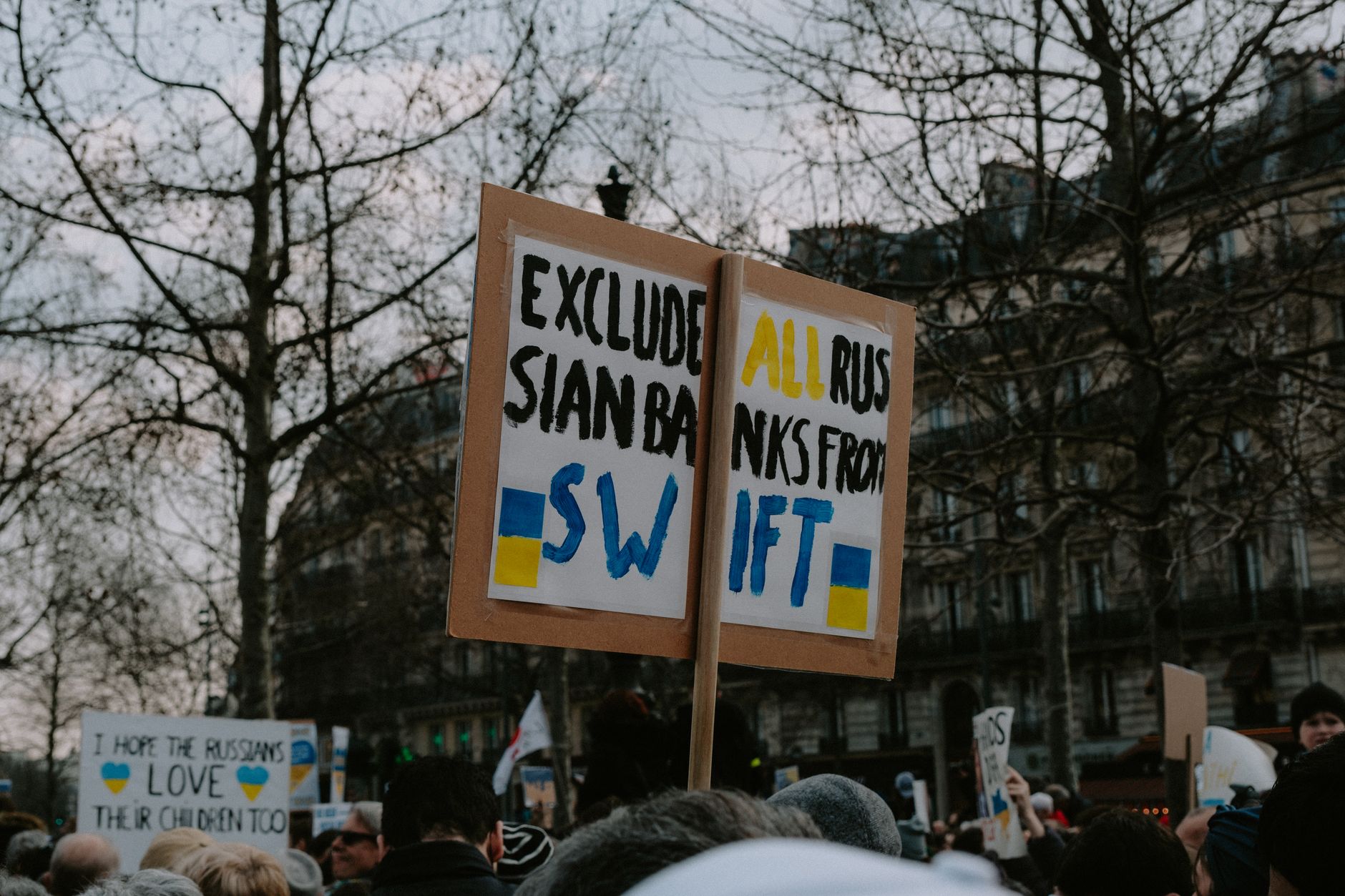
India US Russia sanctions are creating uncertainty in international trade. The potential for a 100% tariff raises questions about India’s economic future.
Understanding the India US Russia sanctions
The recent discussions surrounding the India US Russia sanctions have raised several critical questions about international trade and economic policies. As the United States moves forward with its sanctions against Russia, the implications for India, a key player in this geopolitical landscape, are significant.
One of the primary concerns is the potential impact of a 100% tariff on Indian goods. This move could lead to:
- Increased costs for consumers in India due to higher import prices.
- Disruption of existing trade agreements and partnerships between India and Russia.
- Pressure on Indian industries that rely on Russian resources and technology.
Furthermore, the situation poses a dilemma for India as it navigates its relationships with both the US and Russia. If the sanctions are enacted, India may need to reevaluate its trade strategies and alliances to mitigate the adverse effects of these potential tariffs.
What a 100% tariff means for India
The potential for a 100% tariff on Indian goods has raised significant concerns among economists and industry leaders alike. Such a drastic measure would mean that products exported from India to the United States could face double the cost, severely impacting trade relations.
In the context of the ongoing India US Russia sanctions, the implications of this tariff could be far-reaching. Indian manufacturers, especially in sectors like textiles and pharmaceuticals, might struggle to compete in the US market, leading to reduced exports and lost jobs.
Furthermore, the ripple effect of these tariffs could extend to consumers in both countries, as higher costs might translate to increased prices. The relationship between India and the US has long been one of strategic partnership, and such a punitive measure could undermine years of diplomatic efforts.
As stakeholders await further clarity on this issue, understanding the potential economic fallout remains crucial. Industry experts emphasize the need for a balanced approach to trade that avoids escalating tensions.
Impact on trade relations between nations
The recent discussions surrounding the India US Russia sanctions have raised concerns about the potential impact on trade relations between these nations. As countries grapple with the implications of heavy tariffs, it is crucial to analyze how these measures could reshape economic partnerships.
First, the introduction of a 100% tariff could lead to:
- Increased costs for Indian consumers, as imported goods become significantly more expensive.
- Strained diplomatic relations, as India navigates its position between two powerful nations.
- Reduced trade volumes, with businesses reconsidering their operations and supply chains due to heightened costs.
Moreover, such sanctions may compel India to seek alternative markets and forge new trade agreements. As the geopolitical landscape shifts, the long-term consequences of these tariffs could redefine alliances and economic strategies. The challenge for India will be to balance its relationships while mitigating the adverse effects of the sanctions.
Legal implications of the sanctions bill
The recent sanctions bill proposed by the US regarding Russia has raised significant legal implications for India. As tensions escalate, the sanctions aimed at Russia could inadvertently affect India’s trade relations, particularly in sectors heavily reliant on imports from the US and Russia. The potential for a 100% tariff places India in a precarious position, forcing the nation to navigate complex legal frameworks while balancing its diplomatic ties.
Legal experts suggest that the sanctions may conflict with existing trade agreements and international laws, leading to potential disputes in international trade forums. India’s response will be critical in determining how it addresses these sanctions, as any failure to comply could result in further escalations.
- International Trade Law: Analyzing how the sanctions align with global trade regulations.
- Diplomatic Relations: Evaluating the impact on India’s longstanding relationships with both the US and Russia.
- Domestic Legislation: The need for India to possibly amend its laws to mitigate the effects of the sanctions.
Ultimately, the legal ramifications of the India US Russia sanctions will shape the future of trade relations in the region.
Reactions from Indian businesses
Reactions from Indian businesses regarding the recent India US Russia sanctions have been mixed, with many expressing concern over the potential impact on their operations. Industry leaders fear that a 100% tariff could stifle growth and competitiveness in a global market already facing unprecedented challenges.
Several key sectors have voiced their apprehensions:
- Manufacturing: Leaders in manufacturing worry that increased costs will hinder their ability to compete internationally, particularly against nations with lower tariffs.
- Agriculture: Farmers are concerned that retaliatory measures could hurt exports of Indian agricultural products, leading to financial instability.
- Technology: Tech companies, which rely heavily on exports, are anxious about losing access to critical markets, potentially stalling innovation and growth.
Furthermore, many businesses are calling for a dialogue between the governments of India, the US, and Russia to address these sanctions and their implications. The hope is that constructive discussions could lead to a resolution that minimizes the adverse effects on Indian enterprises.
Future outlook on international tariffs
The future outlook on international tariffs remains uncertain as nations navigate the complex landscape shaped by the India US Russia sanctions. As countries respond to evolving geopolitical dynamics, it is crucial to consider potential scenarios that could emerge.
Experts suggest that the imposition of high tariffs may lead to increased tensions between nations, potentially resulting in a trade war. Key considerations for the future include:
- Economic Growth: Nations heavily reliant on trade may experience economic setbacks, affecting growth rates.
- Supply Chain Disruptions: Companies may need to re-evaluate and adjust their supply chains, leading to increased costs and delays.
- Diplomatic Relations: The sanctions could strain diplomatic ties, complicating negotiations on other crucial issues.
- Global Trade Agreements: The situation may prompt countries to seek new alliances or revise existing trade agreements to mitigate the impact of tariffs.
As the international community watches closely, the outcomes of these sanctions will undoubtedly shape the future of global trade.
The ongoing debate surrounding the India US Russia sanctions raises questions about their long-term impact on international trade. Critics argue that the India US Russia sanctions could lead to economic isolation for some nations involved.
Photo by Mathias Reding on Pexels