Australia E-Bike Law is undergoing significant changes that affect riders nationwide. Understanding these updates is crucial for ensuring safety and compliance on the roads.
Overview of the E-Bike Law Changes
In recent months, Australia has seen significant changes in its approach to e-bikes, reflecting a growing recognition of their popularity as an alternative mode of transport. The updated Australia E-Bike Law aims to provide clearer regulations that ensure both safety and accessibility for riders and pedestrians alike.
The new legislation includes several key provisions that address various aspects of e-bike use:
- Speed Limits: E-bikes are now categorized based on their maximum speed, with different rules applying to each class to ensure rider safety.
- Helmet Regulations: Riders are required to wear helmets, reinforcing the emphasis on safety while promoting responsible riding habits.
- Age Restrictions: The laws specify minimum age requirements for e-bike users, aimed at protecting younger riders and ensuring they have the necessary skills to navigate roads.
- Use of Bike Lanes: Improved clarity on where e-bikes can operate, allowing riders to utilize dedicated bike lanes, thus enhancing overall traffic safety.
These updates reflect a broader effort to integrate e-bikes into the existing transport framework, making it easier for Australians to embrace this eco-friendly option while ensuring their safety on the roads.
Key Changes to E-Bike Regulations
The recent overhaul of the Australia E-Bike Law introduces several significant changes aimed at improving safety and clarity for riders. These adjustments reflect the growing popularity of electric bicycles across the nation and the need for updated regulations that accommodate this shift.
- Speed Limits: The maximum speed for e-bikes has been standardized at 25 km/h when powered by the electric motor. This limit is intended to enhance safety for both riders and pedestrians.
- Motor Power: E-bikes must now have a motor output capped at 250 watts. This regulation ensures that the bicycles remain within the classification of traditional bicycles, allowing riders to enjoy the benefits of electric assistance without exceeding the limits set for non-motorized vehicles.
- Helmet Requirements: All riders are mandated to wear helmets, regardless of age, reinforcing the importance of safety while riding e-bikes.
- Pedal Assist Systems: E-bikes equipped with pedal assist technology must conform to specific guidelines, emphasizing the need for active rider engagement when utilizing electric power.
These key changes to the Australia E-Bike Law aim to create a safer and more enjoyable riding environment while addressing the needs of a growing community of e-bike enthusiasts.
How the New Law Affects Riders
The recent overhaul of the Australia E-Bike Law introduces several critical changes that directly affect riders across the nation. As e-bikes become increasingly popular for commuting and recreational use, understanding these new regulations is essential for ensuring safe and responsible riding.
One of the most significant impacts of the law is the adjustment in speed limits. Riders must now adhere to a maximum speed of 25 km/h when utilizing assisted pedaling. This change aims to enhance safety on shared paths and roads, minimizing potential accidents involving pedestrians and other cyclists.
Additionally, the new legislation categorizes e-bikes into distinct classes, each with specific requirements. Riders need to be aware of which class their e-bike falls into, as this determines where they can ride and what safety equipment is necessary. For example:
- Class 1: Pedal-assist e-bikes with a maximum power output of 250W.
- Class 2: Throttle-controlled e-bikes, which may require registration in certain states.
- Class 3: High-speed e-bikes that need to comply with additional regulations.
Compliance with these new rules is crucial, as failing to do so may lead to fines or other penalties. In summary, the Australia E-Bike Law aims to create a safer riding environment while promoting the benefits of e-bikes for all users.
Safety Tips for E-Bike Users
As the Australia E-Bike Law evolves, it is crucial for riders to prioritize their safety while enjoying the benefits of electric biking. Here are some essential safety tips for e-bike users:
- Wear a Helmet: Always wear a properly fitted helmet, as it significantly reduces the risk of head injuries in an accident.
- Follow Traffic Rules: Adhere to all traffic signals and road signs. E-bike riders should treat their bikes like conventional bicycles in terms of obeying laws.
- Be Visible: Equip your e-bike with lights and reflective gear, especially when riding at night or in low-light conditions. This enhances your visibility to other road users.
- Stay Alert: Keep an eye on your surroundings and anticipate the actions of pedestrians and vehicles. Avoid distractions such as using your phone while riding.
- Maintain Your E-Bike: Regularly check your e-bike’s brakes, tires, and battery to ensure everything is in good working order. A well-maintained bike can prevent accidents.
- Ride Defensively: Be cautious and ready to react to unexpected situations. Always assume that drivers may not see you.
By following these safety guidelines, e-bike riders can contribute to safer streets and enjoy their rides in accordance with the new Australia E-Bike Law.
Comparing E-Bike Laws Worldwide
As countries around the world adapt to the rising popularity of e-bikes, regulations vary significantly, reflecting different approaches to safety and environmental concerns. In Europe, for instance, many nations have implemented strict laws governing e-bike classifications based on their maximum speed and motor power. Germany categorizes e-bikes into three distinct classes, each with specific rules regarding where they can be ridden and whether a helmet is mandatory.
In contrast, the United States has adopted a more decentralized approach, with laws differing widely from state to state. Some states classify e-bikes similar to bicycles, allowing them on bike paths, while others impose restrictions that align more closely with motor vehicles. This patchwork of regulations can create confusion for riders and manufacturers alike.
Similar to these international frameworks, the Australia E-Bike Law aims to establish a clearer set of guidelines for riders, ensuring a safer experience. Countries such as Canada have also developed comprehensive regulations, with defined categories and requirements that prioritize both rider safety and environmental sustainability.
Understanding these international comparisons can provide valuable insights for Australian lawmakers as they refine local e-bike regulations and strive for a safer riding environment.
What to Expect in the Future
As Australia continues to evolve its approach to electric bicycles, the future of the Australia E-Bike Law looks promising and progressive. Several key developments are anticipated in the coming years, aimed at enhancing the safety and accessibility of e-bikes across the nation.
Firstly, infrastructure improvements are expected to play a significant role. Local governments are likely to invest in dedicated e-bike lanes, ensuring safer routes for riders. This will not only promote the use of e-bikes but also help in reducing traffic congestion in urban areas.
Additionally, there may be further advancements in technological regulations. As e-bike technology continues to innovate, laws may adapt to include new features such as advanced safety systems and connectivity options. This could lead to a more comprehensive framework that addresses both rider safety and the growing e-bike market.
Moreover, community engagement will be crucial. There is a strong likelihood that riders and stakeholders will be encouraged to participate in discussions about future regulations and best practices. This involvement can help create a well-rounded legal environment that reflects the needs of all users.
In conclusion, the future of the Australia E-Bike Law promises a more integrated and supportive framework for safe riding, encouraging more Australians to embrace e-bikes as a sustainable mode of transport.
Understanding the Australia E-Bike Law is essential for riders to ensure they comply with local regulations. As these laws evolve, staying informed will promote safer riding practices across the country.
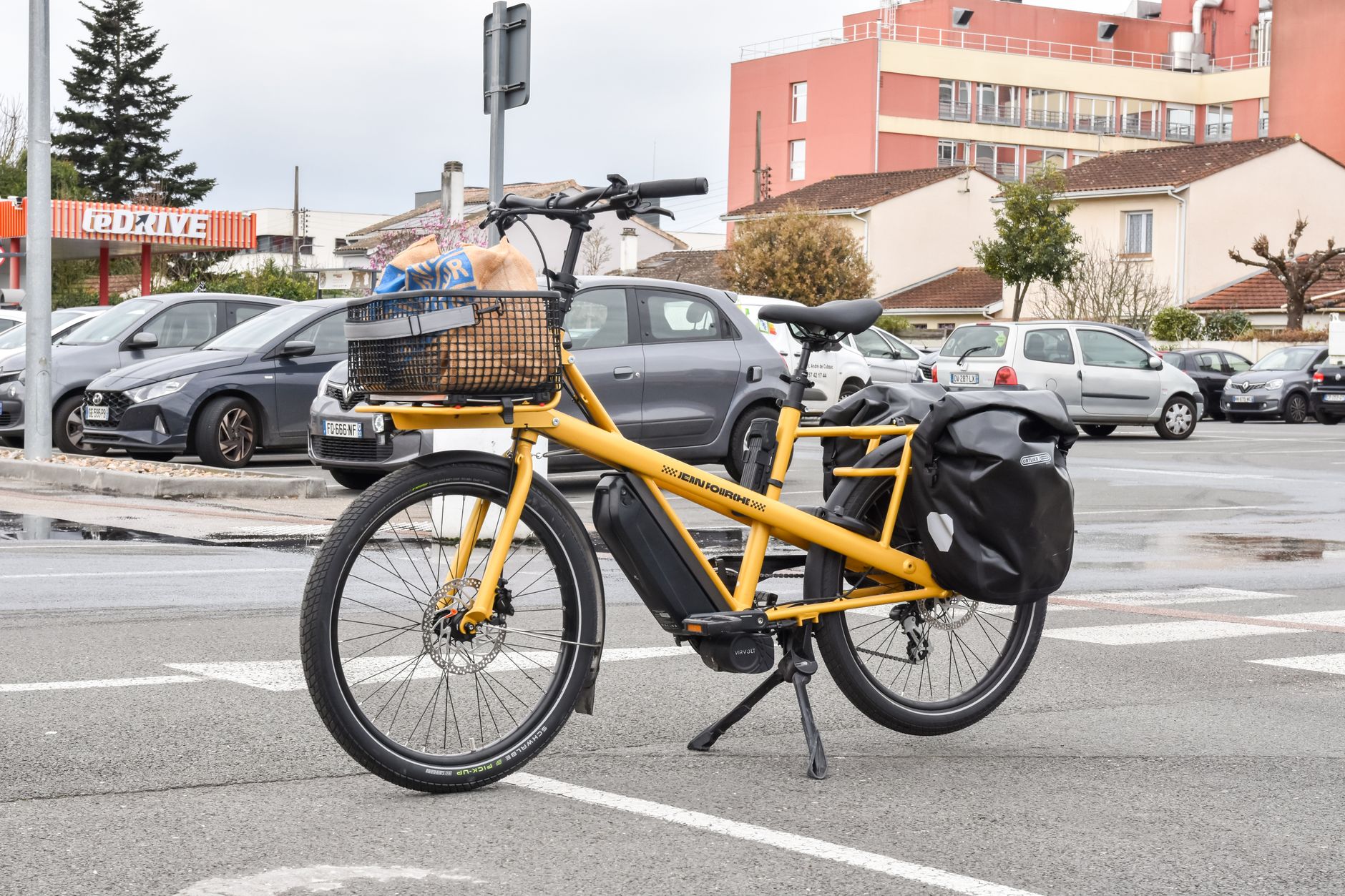
Photo by Jean Fourche on Pexels