
patients radioactive scans have raised significant health concerns in recent reports. Many individuals are now questioning the safety of undergoing multiple imaging procedures.
Understanding the Risks of Radioactive Scans
Patients undergoing radioactive scans may experience several health risks associated with the exposure to radiation. While these scans are crucial for diagnosing various medical conditions, it is essential to understand the potential dangers involved.
Radiation exposure can lead to short-term and long-term health effects. Some of the immediate risks include:
- Skin Reactions: Patients might notice redness or irritation at the injection site of the radioactive material.
- Allergic Reactions: Some individuals may experience allergic reactions to the contrast agents used in conjunction with the scans.
Long-term risks are more concerning and include:
- Cancer Risks: Prolonged exposure to radiation can increase the likelihood of developing certain types of cancer over time.
- Genetic Damage: There is a potential for genetic mutations that could affect future generations.
Patients should discuss their medical history and the necessity of these procedures with their healthcare providers. Understanding the risks associated with radioactive scans can help in making informed decisions regarding one’s health.
Legal Consequences for Medical Facilities
Medical facilities that perform radioactive scans must adhere to strict regulations to ensure the safety of their patients. However, when incidents occur involving patients radioactive after scans, legal consequences can arise.
Patients who experience adverse effects or prolonged radioactivity may seek legal redress. This can result in:
- Malpractice Claims: If patients can prove negligence, facilities may face lawsuits for failing to properly inform them about the risks associated with radioactive scans.
- Regulatory Penalties: Health authorities may impose fines or sanctions on facilities that violate safety protocols, especially if these violations lead to patient harm.
- Loss of Accreditation: Repeated incidents may result in a facility losing its accreditation, severely impacting its reputation and ability to operate.
In light of these potential consequences, it is crucial for medical providers to prioritize patient safety and transparency. By ensuring that patients are well-informed about the risks of radioactive scans, facilities can mitigate legal repercussions and enhance trust within the community.
Patient Safety and Radiation Exposure
Patient safety is a critical concern when it comes to radioactive scans. While these diagnostic tools can provide valuable insights into a patient’s health, they also carry inherent risks due to radiation exposure. The amount of radiation received during such scans can vary significantly, leading to potential health implications for patients.
It is essential for patients to be informed about the risks associated with multiple radioactive scans. Some of the most notable concerns include:
- Increased Cancer Risk: Repeated exposure to radiation may elevate the likelihood of developing certain types of cancer over time.
- Organ Damage: High doses of radiation can potentially harm vital organs, impacting their functionality.
- Long-term Effects: The long-term consequences of radiation exposure are not fully understood, making it crucial to minimize unnecessary scans.
Patients should engage in open discussions with healthcare providers regarding the necessity of radioactive scans and explore alternative diagnostic options when appropriate. Understanding the implications of radiation exposure is vital for safeguarding patient health and ensuring informed decision-making.
What Patients Should Know
Patients undergoing radioactive scans should be aware of several important factors that may impact their health and well-being. While these scans are often necessary for accurate diagnosis, it is crucial to understand the potential risks involved.
Firstly, patients should be informed about the amount of radiation exposure they will receive during the procedure. Although medical professionals strive to minimize exposure, repeated scans can lead to cumulative effects on the body.
Additionally, it is essential to communicate any existing health conditions or medications to healthcare providers before undergoing a radioactive scan. Certain conditions may increase sensitivity to radiation, while some medications could interact adversely.
Patients are also encouraged to ask questions regarding the necessity of the scan. In some cases, alternative imaging methods may provide similar diagnostic information without the associated risks of radiation.
Moreover, individuals should report any unusual symptoms following the scan, such as fatigue or swelling, to their healthcare provider immediately. Awareness and proactive communication can significantly enhance patient safety and mitigate potential health risks associated with radioactive scans.
Ultimately, informed patients are better equipped to make decisions that prioritize their health.
Alternatives to Frequent Imaging Procedures
As concerns about the safety of patients undergoing radioactive scans continue to grow, many are seeking alternatives to frequent imaging procedures. Understanding these options can help mitigate health risks associated with radiation exposure.
Several non-invasive imaging techniques are available that do not involve radiation. These alternatives include:
- Magnetic Resonance Imaging (MRI): Utilizes strong magnets and radio waves to create detailed images of organs and tissues without radiation.
- Ultrasound: Employs sound waves to visualize internal structures, making it a safe choice for various diagnostic needs.
- Computed Tomography (CT) without contrast: While CT scans typically involve radiation, certain techniques can minimize exposure, especially when contrast agents are not used.
- Positron Emission Tomography (PET) scan alternatives: Emerging technologies aim to reduce exposure while still providing valuable insights into a patient’s health.
Patients should discuss their concerns with healthcare providers, exploring these alternatives to ensure their safety and well-being. By considering non-radiation-based options, patients can avoid the potential dangers associated with radioactive scans.
Many healthcare professionals are concerned about the long-term effects of patients radioactive after scans, as exposure to radiation can increase cancer risks. It is crucial for patients radioactive scans to be conducted with caution and for alternative imaging methods to be considered when possible.
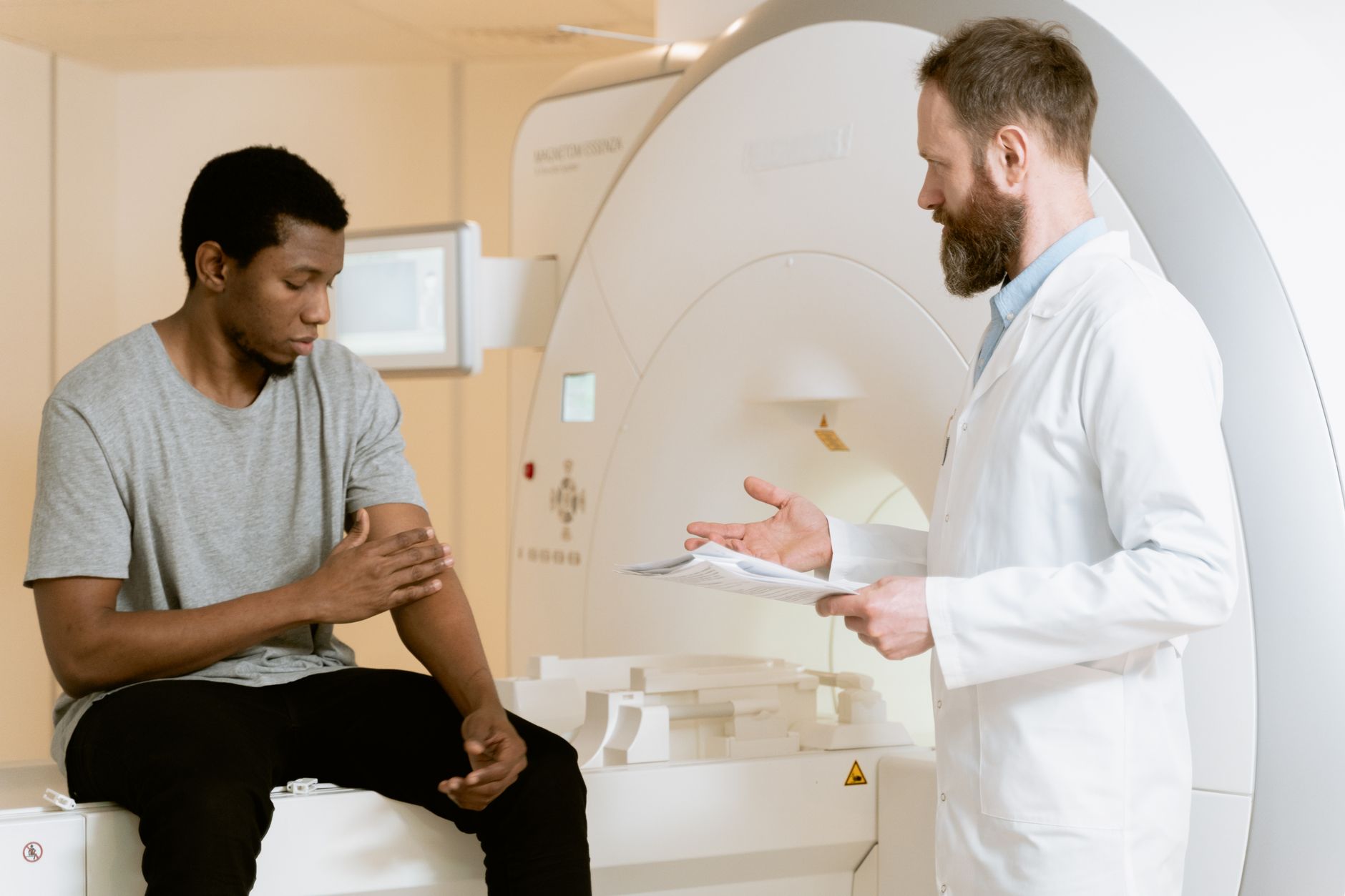
Photo by MART PRODUCTION on Pexels