
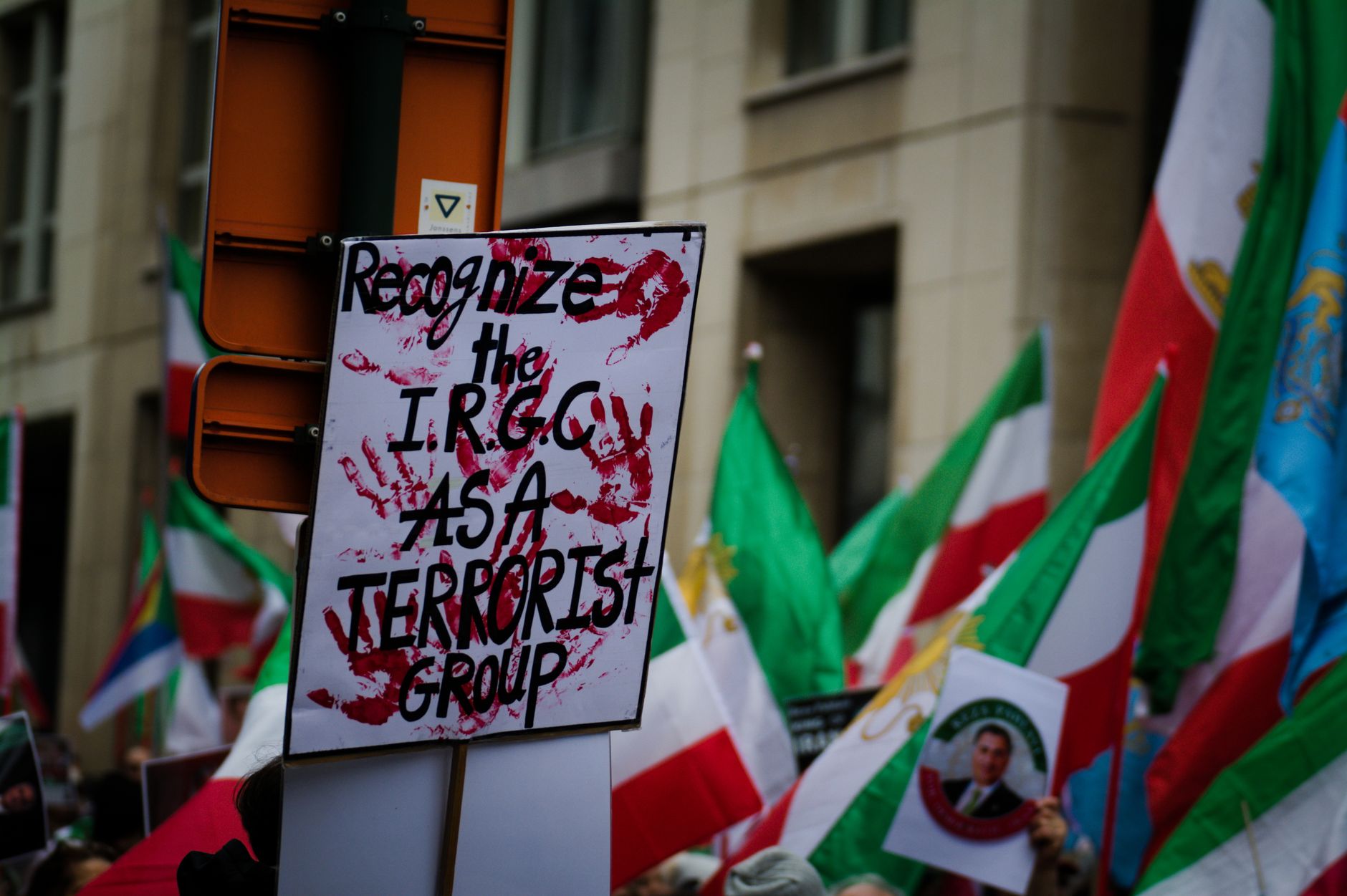
crossborder terror action is essential for Pakistan to regain international trust. The recent statements from MEA highlight the urgency of credible measures.
Understanding Crossborder Terrorism
Crossborder terrorism remains a significant threat to regional stability, particularly in South Asia. It refers to terrorist activities that are planned and executed across national borders, often involving non-state actors. This complex issue requires a deep understanding of the motivations and mechanisms behind such actions.
In the context of Pakistan, crossborder terror action has been a focal point of international concern. The country has faced accusations of harboring militant groups that launch attacks across borders, exacerbating tensions with neighboring nations. Addressing this challenge is essential not only for Pakistan’s security but also for fostering trust among its neighbors.
Key factors contributing to crossborder terrorism include:
- Political instability: Ongoing political conflicts can create fertile ground for extremist ideologies.
- Economic disparities: High levels of poverty and unemployment can lead individuals to join militant groups.
- Regional conflicts: Issues such as Kashmir have historically fueled crossborder tensions.
Understanding these dynamics is crucial for formulating effective responses to mitigate the threat of crossborder terror action.
The Role of Pakistan in Global Security
The issue of crossborder terror action has placed Pakistan at a critical juncture in its role within global security. As tensions escalate in various regions, the international community is urging Pakistan to take proactive measures to combat terrorism emanating from its borders.
Experts agree that Pakistan’s cooperation is essential for several reasons:
- Regional Stability: By addressing crossborder terror action, Pakistan can enhance stability in South Asia, which is vital for economic development and peace.
- Global Perception: Taking credible action against terrorism will help reshape the world’s view of Pakistan, portraying it as a responsible nation committed to fighting extremism.
- Counterterrorism Partnerships: Strengthening ties with global powers and neighboring countries can improve intelligence sharing and counterterrorism efforts.
Ultimately, Pakistan’s decisive actions will not only affect its own national security but also contribute to a more secure and stable global environment.
Recent Statements from MEA
In recent statements, the Ministry of External Affairs (MEA) has highlighted the pressing need for Pakistan to take credible action against crossborder terror action. The MEA emphasized that the lack of substantial steps from Pakistan has raised concerns not only in the region but also globally.
Officials noted the importance of addressing the root causes of terrorism and stressed that mere rhetoric will not suffice. Pakistan must demonstrate a genuine commitment to combating terrorism to regain international trust. According to the MEA, countries around the world are watching closely, and without tangible measures, Pakistan risks further isolation.
The MEA outlined several key points regarding this issue:
- Accountability: Pakistan must hold accountable those who perpetrate or support crossborder terror actions.
- Collaboration: Enhanced cooperation with neighboring countries is essential for effective counter-terrorism efforts.
- Transparency: A transparent approach towards security operations is necessary to build trust between Pakistan and the international community.
Impact of Terrorism on International Relations
The persistent threat of crossborder terror action has profound implications for international relations, particularly for Pakistan. As countries grapple with the repercussions of terrorism, the need for a cohesive strategy becomes increasingly important.
Firstly, nations may reconsider their diplomatic ties with Pakistan if credible action against crossborder terrorism is not undertaken. A lack of accountability can lead to strained relationships, as countries seek to protect their own interests and citizens.
Secondly, international organizations and allies may impose sanctions or restrictions, further isolating Pakistan on the global stage. This isolation can hinder economic growth and limit access to vital resources.
Moreover, the perception of Pakistan as a safe haven for terrorists could undermine its efforts to establish partnerships with other nations. For regional stability, it is essential that Pakistan demonstrate a commitment to combating crossborder terror action.
Finally, public opinion in other countries may shift, leading to increased pressure on governments to take a firmer stance against Pakistan, complicating diplomatic negotiations.
Steps for Pakistan to Take Action
In light of increasing concerns regarding crossborder terror action, it is imperative for Pakistan to undertake credible measures to address this pressing issue. The following steps are essential:
- Enhancing Intelligence Sharing: Pakistan should improve collaboration with neighboring countries and international agencies to share vital intelligence on terror networks.
- Strengthening Border Security: Implementing more rigorous border controls can help prevent the movement of terrorists across its borders.
- Engaging in Diplomatic Dialogue: Establishing open lines of communication with India and other affected nations can foster trust and facilitate cooperative efforts against terrorism.
- Promoting Counter-Radicalization Programs: Initiating programs aimed at countering extremist ideologies within communities can mitigate the risk of homegrown terrorism.
- Holding Perpetrators Accountable: Ensuring justice for victims of crossborder terror action by prosecuting those responsible will reinforce Pakistan’s commitment to combatting terrorism.
By taking these steps, Pakistan can play a pivotal role in ensuring regional stability and enhancing its credibility on the global stage.
Global Response to Crossborder Terror
The international community has increasingly focused on crossborder terror action, pressing countries to take significant measures to combat this growing threat. In recent months, several nations have voiced their concerns regarding Pakistan’s role in harboring terrorist groups that operate across its borders, exacerbating regional tensions.
Global leaders have emphasized the need for a unified approach to address terrorism, highlighting the importance of diplomatic engagement and intelligence sharing. Key points from various discussions include:
- Increased Collaboration: Countries must work together to track and dismantle terror networks that span national boundaries.
- Intelligence Exchange: Sharing vital information between nations can help prevent potential attacks and enhance security efforts.
- Sanctions and Accountability: Implementing sanctions against entities that support crossborder terrorism can deter future actions.
- Awareness Campaigns: Educating the public about the dangers of crossborder terror can foster a more informed society.
As global attention intensifies, it is crucial for Pakistan to take credible action to demonstrate its commitment to combating terrorism effectively.
Challenges in Addressing Terrorism
Addressing the issue of crossborder terror action presents significant challenges for Pakistan. The complex landscape of regional politics and longstanding rivalries complicate effective responses to terrorism. Key challenges include:
- Political Will: There is often a lack of consensus among political leaders on the urgency of tackling crossborder terror.
- Intelligence Sharing: Insufficient collaboration with international intelligence agencies hinders timely action against terrorist networks.
- Resource Allocation: Limited resources can restrict the effectiveness of counter-terrorism operations.
- Public Perception: The perception of the military and government’s commitment to fighting terror influences public support for necessary measures.
- Judicial Processes: Inefficiencies within the judicial system can result in delays and a lack of accountability for terrorist activities.
To mitigate these challenges, Pakistan must adopt a comprehensive strategy that includes both domestic reforms and international cooperation, thereby addressing the root causes of crossborder terror action and enhancing its position in global security.
The Future of Pakistan’s International Relations
The future of Pakistan’s international relations hinges significantly on its approach to crossborder terror action. As global scrutiny intensifies, the need for transparent and decisive measures becomes paramount. Failure to address these concerns may lead to further isolation on the international stage.
In recent years, various nations have expressed their apprehensions regarding the implications of crossborder terrorism on regional stability. Key diplomatic relationships could be strained if Pakistan does not take credible actions to combat these threats. Additionally, international partnerships in trade, security, and development might suffer as a consequence of perceived inaction.
The global community is watching closely, and it is essential for Pakistan to demonstrate a commitment to countering terrorism effectively. This could involve:
- Enhancing intelligence sharing with neighboring countries.
- Strengthening border security to prevent terrorist infiltration.
- Promoting dialogue with international partners to build trust.
By taking these steps, Pakistan can help shape a more favorable future for its international relations.
Photo by Kaveh Keshtiara on Pexels
Read the original
Related stories
Migration rules for Indians: The Worst Changes Explained · UPI MDR Impact: The Real Consequences for Small Businesses · Meghalaya Catchment Law: The Right Step for Environmental Protection