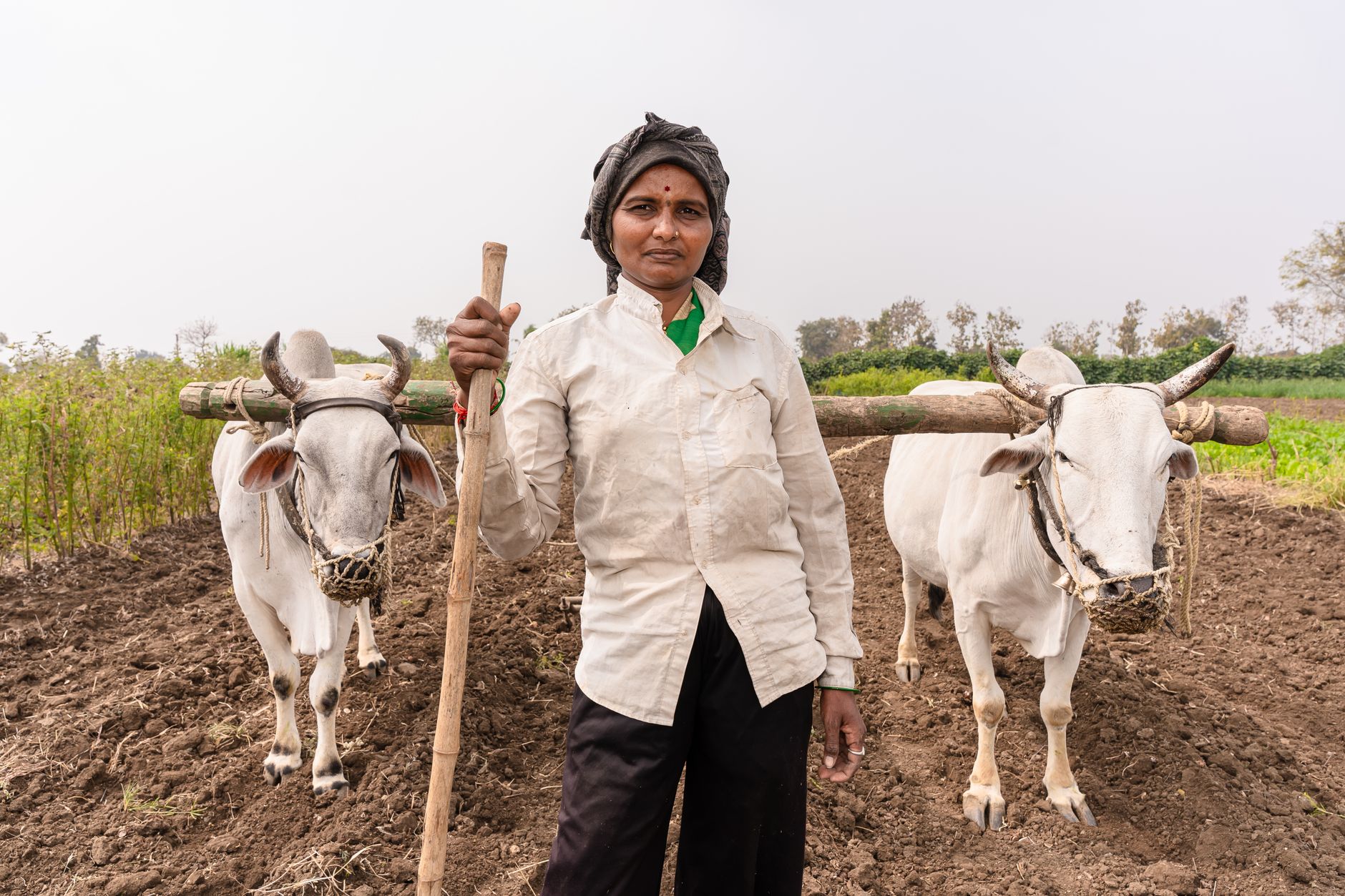
Maharashtra law for farmers is reshaping the agricultural landscape by providing millions with a new identity and rights. This change empowers individuals and promotes gender equality in farming.
Understanding the Maharashtra Law
The recent Maharashtra law for farmers has brought significant changes to the agricultural landscape of the state. This legislation aims to empower various groups involved in farming, including women and marginalized communities, granting them recognition and rights that were previously lacking.
One of the key features of the law is the provision for:
- Identity recognition: Farmers, especially women, now have a legal identity that acknowledges their contribution to agriculture.
- Access to financial support: The law facilitates easier access to loans and subsidies, enabling farmers to invest in their farms.
- Improved labor rights: It ensures that farm laborers receive fair wages and better working conditions.
These changes not only enhance the livelihoods of farmers but also promote a more inclusive approach to agriculture in Maharashtra. The law represents a crucial step towards recognizing the vital role of farmers in the state’s economy.
Impact on Women Farmers
The recent Maharashtra law for farmers has brought about significant changes for women engaged in agriculture. Traditionally seen as mere farm laborers, many women are now recognized as legitimate farmers, granting them a newfound identity and status within their communities.
This shift has empowered women by allowing them to access essential resources such as credit, subsidies, and agricultural training. With this law, women can now:
- Own land: The law facilitates land ownership for women, enabling them to cultivate and benefit directly from their efforts.
- Access financial aid: Banks and financial institutions now recognize women farmers as eligible candidates for loans and grants.
- Participate in decision-making: Empowerment through representation in agricultural cooperatives and organizations is now more accessible.
As a result, the Maharashtra law for farmers is not just a legislative change; it is a transformative step towards gender equality in the agricultural sector.
Rights Granted to Farm Labourers
The recent Maharashtra law for farmers brings significant changes that extend critical rights to farm labourers. These rights aim to empower individuals who have long been marginalized in the agricultural sector. Under this law, farm labourers are now recognized as essential contributors to the farming ecosystem, granting them a formal identity within the agricultural framework.
Key rights introduced include:
- Minimum wage guarantee: Ensures that farm labourers receive fair compensation for their work, alleviating poverty and improving living standards.
- Access to social security: Provides farm labourers with benefits such as health care and pensions, fostering a more secure future.
- Legal recognition: Acknowledges the contributions of farm labourers, enabling them to participate in decision-making processes related to agriculture.
These changes not only enhance the livelihoods of farm labourers but also contribute to a more equitable agricultural environment in Maharashtra.
The Journey to New Identity
The recent Maharashtra law for farmers marks a significant turning point in the agricultural landscape of the state. Historically, many individuals engaged in farming lacked formal recognition, which limited their access to essential resources and support. This law aims to change that by granting legal status to a broader range of individuals involved in farming activities.
Through the implementation of this legislation, millions of farm labourers, particularly women, are now empowered to claim their identity as farmers. This shift not only enhances their social standing but also provides them with the opportunity to participate actively in discussions regarding agricultural policies.
Moreover, the recognition facilitates access to government schemes and financial assistance, which were previously out of reach. With this new identity, farmers can advocate for their rights, ensuring that their voices are heard and their contributions to the economy are acknowledged.
As this law unfolds, it represents a hopeful step toward a more inclusive agricultural community in Maharashtra.
Challenges Ahead for Implementation
While the Maharashtra law for farmers marks a significant step forward, several challenges loom over its implementation. One major hurdle is awareness and education. Many farmers and farm laborers remain unaware of their new rights, which could hinder the law’s effectiveness. Ensuring that all stakeholders understand the provisions is crucial.
Additionally, bureaucratic resistance may pose obstacles. Local officials may be hesitant to adapt to the changes the law introduces, leading to delays in the distribution of benefits. Furthermore, the law’s success relies heavily on adequate infrastructure and resources, which may be lacking in some regions.
Social stigma could also impede progress. For many women transitioning from laborers to recognized farmers, societal perceptions may create barriers to fully embracing their new roles. To address these challenges, a concerted effort involving government bodies, NGOs, and community leaders will be essential in ensuring the law translates into real change for farmers in Maharashtra.
Success Stories from the Ground
Success stories from the ground are emerging as the new Maharashtra law for farmers begins to transform lives across the state. This legislation has not only empowered women but has also provided recognition to countless farm labourers who have now stepped into the role of farmers.
One notable example is Aditi, a former labourer who, after the law’s implementation, accessed financial support and training programs. She now cultivates her own land and is proud to share her harvest at the local market. Another inspiring story is of the collective efforts of women in a small village who banded together to form a cooperative, gaining both economic independence and a sense of community.
As these stories demonstrate, the Maharashtra law for farmers has sparked a movement, fostering self-reliance and changing perceptions of women’s roles in agriculture. This positive ripple effect is paving the way for a more inclusive future for all farmers in the region.
Photo by EqualStock IN on Pexels
Sources
Related stories
Turkey’s Opposition: Alarm Over Mecca Pact Raises Concerns · Law Firm Appointment: PA Duffy Welcomes New Leader · RBI Repo Rate Hike: Clear Impact on Your EMIs and Loans