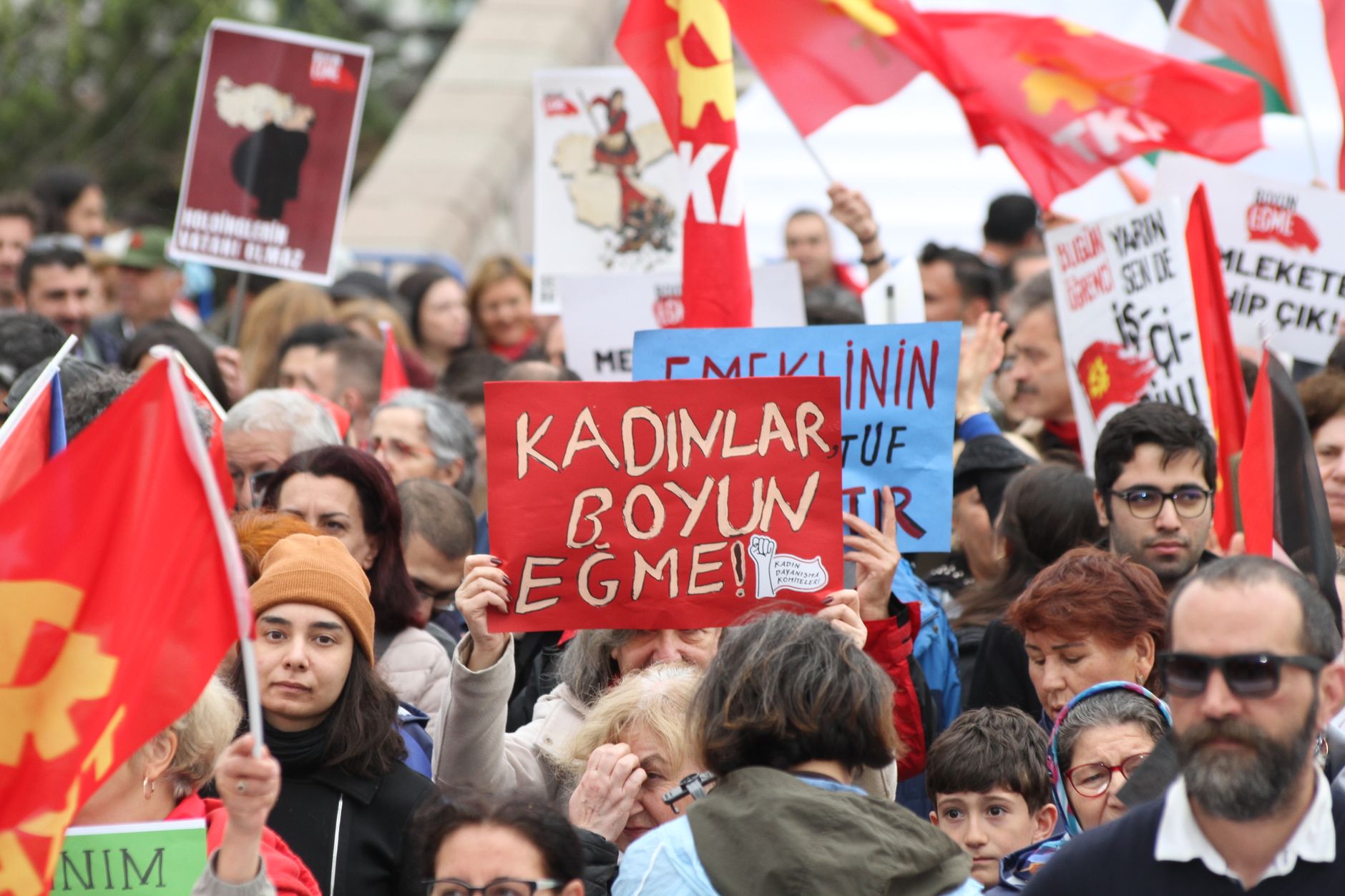
Turkey’s Opposition is raising alarm over the Mecca Pact, expressing concerns about its implications for national security and regional dynamics.
What is the Mecca Pact?
The Mecca Pact is a recent agreement that has sparked significant concern among Turkey’s Opposition. This pact, reportedly involving the deployment of Turkish forces to Saudi Arabia, raises questions about the implications for Turkey’s sovereignty and regional stability.
Key aspects of the Mecca Pact include:
- Military Deployment: The agreement outlines the potential for Turkish military involvement in Saudi-led operations.
- Political Implications: Critics argue that such a move could draw Turkey into broader conflicts in the Middle East.
- Public Response: Many citizens, alongside opposition leaders, express fears about the impact on national security.
As the situation evolves, Turkey’s Opposition continues to voice alarm, emphasizing the need for greater transparency and debate regarding this significant agreement.
Turkey’s Opposition Response
Turkey’s opposition has voiced strong concerns regarding the recent Mecca Pact, labeling it a potential threat to national security. Political leaders from various parties have expressed their alarm at the prospect of Turkish forces being deployed to Saudi Arabia under the agreement.
In a joint statement, they emphasized the implications of such a move, arguing that it could lead to:
- Increased military involvement in regional conflicts, which could destabilize Turkey.
- Compromised sovereignty, as military decisions would be influenced by external forces.
- Public discontent, with many citizens opposing foreign military engagements.
Opposition leaders are calling for a parliamentary debate on the Mecca Pact, urging the government to prioritize national interests over international agreements that may jeopardize Turkey’s integrity.
Implications for Saudi Arabia
The recent Mecca Pact has significant implications for Saudi Arabia, particularly in light of Turkey’s Opposition expressing strong concerns over the agreement. Many analysts believe that Turkey’s involvement could lead to increased tensions in the region.
Key points of concern include:
- Military Deployment: The prospect of Turkish forces being sent to Saudi Arabia has been labeled as a criminal act by opposition leaders.
- Regional Stability: Turkey’s Opposition argues that this move could destabilize an already fragile geopolitical landscape.
- Public Sentiment: There is a growing unease among the Turkish populace regarding military engagements abroad, which could impact future elections.
As Turkey’s Opposition continues to voice their alarm, the implications for Saudi Arabia and the broader Middle East remain critical to monitor.
Regional Security Concerns
As the Mecca Pact comes under scrutiny, Turkey’s Opposition expresses significant concern regarding the implications for regional security. The agreement, designed to foster cooperation, has raised alarms about potential military involvement in Saudi Arabia.
Opposition leaders argue that sending Turkish forces to the region could exacerbate existing tensions and destabilize a fragile balance. They emphasize the following key points:
- Increased Military Presence: Any deployment could lead to conflicts with neighboring countries.
- Risk of Escalation: An armed Turkish presence might provoke retaliatory actions from various factions.
- Domestic Implications: Opposition leaders fear that involvement in foreign conflicts could distract from pressing domestic issues.
As calls for a reevaluation of Turkey’s role in the pact grow, the Opposition remains steadfast in its belief that prioritizing national interests is crucial for ensuring long-term stability.
Historical Context of the Pact
The historical context of the Mecca Pact reveals deep-seated tensions within Turkey’s political landscape. Established to foster cooperation among various factions, the pact has often been viewed with skepticism by Turkey’s Opposition. Its origins trace back to a series of regional conflicts that have shaped alliances and enmities in the Middle East.
Over the decades, the pact has been perceived as a tool for political maneuvering rather than genuine collaboration. Critics within Turkey’s Opposition argue that the agreement undermines national sovereignty and risks entangling Turkey in external disputes.
In light of recent developments, including suggestions of military involvement in Saudi Arabia, Turkey’s Opposition has escalated its criticisms. They fear that such actions may not only destabilize the region further but also divert attention from pressing domestic issues.
- Increased sectarian tensions
- Impact on Turkey’s foreign policy
- Potential backlash from the public
Political Reactions in Turkey
Political reactions in Turkey regarding the Mecca Pact have been marked by alarm and apprehension, particularly among Turkey’s Opposition. Leaders from various parties have condemned the agreement, expressing fears that it may lead to increased military involvement in Saudi Arabia.
Many opposition figures argue that deploying Turkish forces would undermine the country’s sovereignty and complicate its foreign relations. Emphasizing national unity, they urge the government to reconsider any plans that could entangle Turkey in regional conflicts.
Furthermore, the opposition has raised concerns about the potential backlash from the Turkish public, who may view such military actions as unnecessary. Public protests have already begun to emerge in response to the pact, highlighting the growing discontent among citizens regarding government decisions that they perceive as detrimental to national interests.
Overall, Turkey’s Opposition remains vigilant and vocal, stressing the need for a careful evaluation of the implications of the Mecca Pact.
International Community’s View
The international community is closely monitoring the situation surrounding Turkey’s Opposition and the Mecca Pact, which has sparked widespread concern. Various diplomatic circles are expressing alarm over the potential ramifications of Turkey’s involvement in Saudi Arabia’s security matters.
Key opinions include:
- Western Nations: Many Western countries fear that Turkey’s military deployment could escalate tensions in the region.
- Middle Eastern Analysts: Experts suggest that the pact may further complicate the already fragile geopolitical landscape.
- Human Rights Organizations: Activists warn that Turkish involvement might lead to human rights violations and exacerbate existing conflicts.
Overall, there is a growing consensus among international observers that the Mecca Pact may not only impact Turkey’s Opposition but also influence broader stability in the Middle East.
Future of Turkey-Saudi Relations
The future of Turkey-Saudi relations has become increasingly uncertain following the recent Mecca Pact. Turkey’s Opposition has voiced alarm over the implications of this agreement, which many see as a potential shift in regional power dynamics. Concerns are mounting that closer ties with Saudi Arabia could undermine Turkey’s sovereignty and influence in the Middle East.
Key points of contention include:
- Military Cooperation: The prospect of Turkish forces being deployed to Saudi Arabia has been described as “criminal” by opposition leaders.
- Economic Impacts: Critics worry that aligning too closely with Riyadh could lead to unfavorable economic agreements for Turkey.
- Public Sentiment: Many citizens are expressing distrust towards the government’s foreign policy direction, particularly regarding relations with Saudi Arabia.
As Turkey’s Opposition continues to voice its concerns, the long-term implications for bilateral relations remain to be seen.
Photo by Özkan Öztaş on Pexels
Where this came from
Related reading
Law Firm Appointment: PA Duffy Welcomes New Leader · RBI Repo Rate Hike: Clear Impact on Your EMIs and Loans · FEMA Rule for Freelancers: Clear Guide to New Filing Requirements