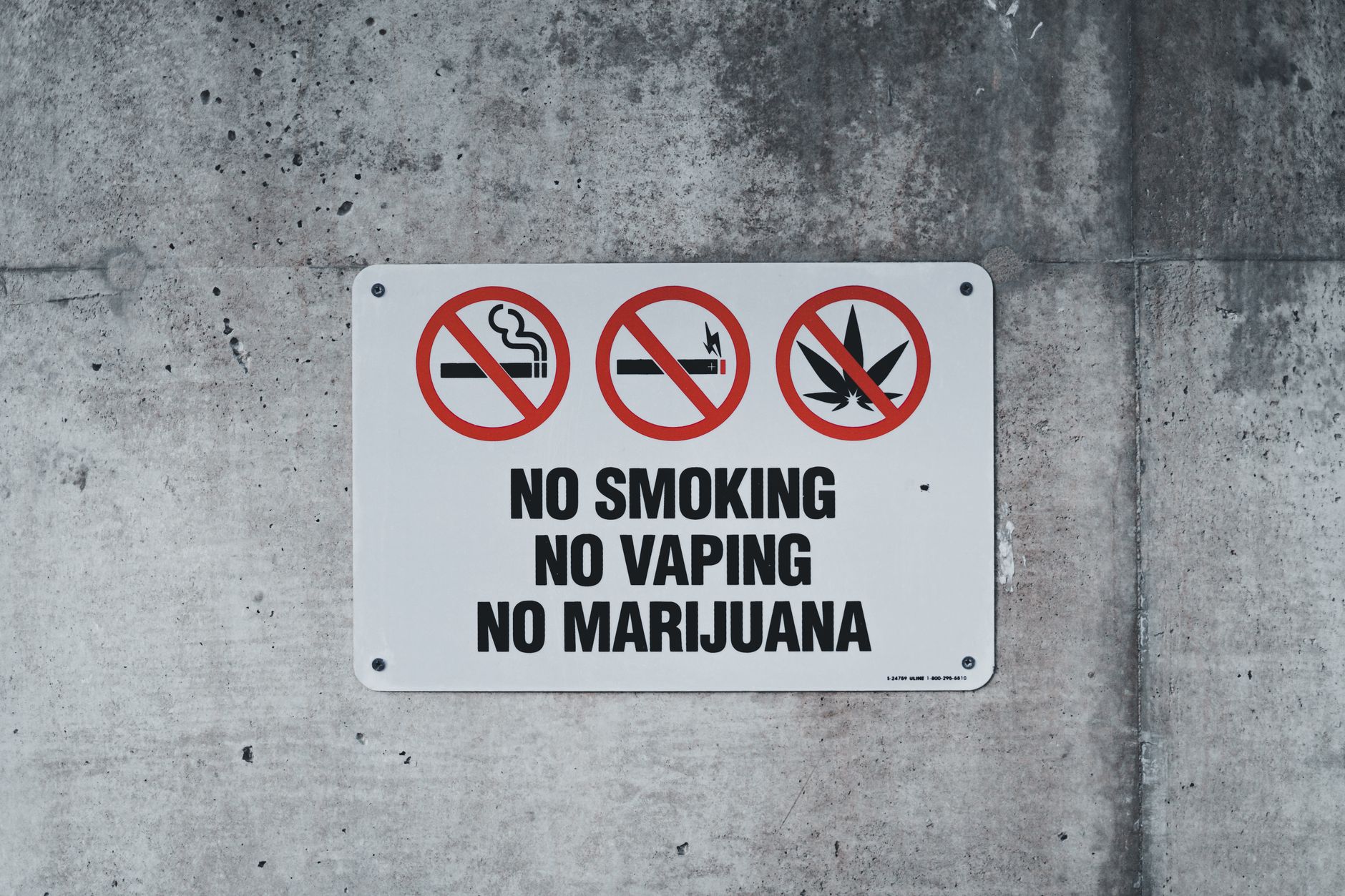
California vape ban has been officially enacted, prohibiting the sales of single-use, battery-powered vapes. This new law aims to address health and environmental concerns associated with vaping products.
Overview of the California vape ban
California has taken a significant step in addressing public health concerns by enacting a new law aimed at reducing the prevalence of single-use, battery-powered vapes. This legislation, signed by Governor Gavin Newsom, represents one of the strictest measures against vaping in the United States.
The California vape ban targets products that have become increasingly popular among young people, contributing to rising addiction rates. Under this law, retailers will no longer be allowed to sell single-use vapes, which are often discarded after one use, exacerbating environmental issues.
Key provisions of the law include:
- Prohibition on the sale of all single-use vapes.
- Increased penalties for retailers who violate the ban.
- Funding for educational programs on the dangers of vaping.
This comprehensive approach aims to protect public health while promoting more sustainable consumer habits.
Key provisions of the new law
The recent legislation on the California vape ban introduces several key provisions aimed at reducing the environmental impact of vaping products and addressing public health concerns. The law specifically targets the sale of single-use, battery-powered vapes, which have become increasingly popular among young people.
Key provisions of the new law include:
- Ban on Sales: Retailers will no longer be allowed to sell single-use vapes, with the aim of curbing waste and promoting reusable alternatives.
- Health Warnings: All vaping products must now carry prominent health warnings to inform consumers of potential risks associated with vaping.
- Enforcement Measures: The law empowers state and local authorities to enforce compliance, with penalties for retailers who violate the ban.
These provisions reflect California’s commitment to reducing vaping-related harm while fostering a healthier environment.
Implications for vape retailers
The recent California vape ban has significant implications for vape retailers across the state. As the law takes effect, retailers will need to navigate the challenges of adapting to the new regulations while managing their existing inventory.
Many shops that specialize in vaping products face the risk of financial losses due to the sudden prohibition of single-use, battery-powered vapes. This could lead to:
- Reduced product offerings: Retailers may be forced to limit their stock to only non-disposable vaping devices.
- Increased compliance costs: Businesses will incur expenses related to compliance with the new law, including potential legal consultations.
- Market shifts: A shift towards alternative products, such as refillable vapes, may be necessary to maintain customer bases.
Ultimately, the California vape ban could reshape the retail landscape, compelling businesses to innovate and adapt.
Health concerns linked to vaping
The recent California vape ban has sparked significant discussions surrounding the health risks associated with vaping, particularly single-use devices. Health experts have raised concerns over the harmful chemicals found in vape products, which can lead to serious respiratory issues and other long-term health complications.
Studies indicate that vaping can expose users to:
- Nicotine addiction: Many single-use vapes contain high levels of nicotine, increasing the risk of dependency.
- Respiratory problems: Inhalation of vaporized substances can cause inflammation and damage to lung tissue.
- Cardiovascular effects: Vaping has been linked to elevated heart rates and blood pressure.
Furthermore, the California vape ban aims to protect youth from early exposure to these risks, as a significant portion of vape users are minors. The legislation reflects growing public health concerns about the ongoing vaping epidemic.
Environmental impact of single-use vapes
The environmental impact of single-use vapes is a growing concern in California, prompting the recent California vape ban. These single-use devices contribute significantly to plastic waste, as they are often made from non-recyclable materials, leading to increased landfill contributions.
According to environmental advocates, the plastic components of these vapes can take hundreds of years to decompose, posing a threat to wildlife and ecosystems. The toxic chemicals found in vaping products also raise concerns about soil and water contamination.
In light of these issues, the new law aims to mitigate the environmental burden by eliminating sales of single-use, battery-powered vapes. This shift is seen as a crucial step toward reducing plastic pollution and promoting more sustainable alternatives, encouraging consumers to consider environmentally friendly options that minimize waste.
Public reaction to the legislation
The recent California vape ban has sparked a diverse range of reactions from the public and various stakeholders. Many health advocates have praised the legislation, viewing it as a necessary step to protect young people from the risks associated with vaping. According to several surveys, a significant portion of parents supports the ban, emphasizing the need for stricter regulations on flavored vaping products.
Conversely, some vape shop owners and industry representatives have expressed their discontent, arguing that the law may lead to job losses and push consumers towards unregulated markets. A local vape retailer stated, “This ban doesn’t solve the problem; it just drives it underground.”
Moreover, a group of young vapers has organized protests, claiming that the ban infringes on personal choice and freedom. As the debate continues, the full impact of the California vape ban remains to be seen.
Comparative laws in other states
As the California vape ban takes effect, several other states are also revising their laws regarding vaping products. New York has implemented strict regulations, including a ban on flavored vaping products, aiming to curb youth access to nicotine. Similarly, Massachusetts has prohibited the sale of all flavored tobacco products, including vapes, which has sparked debates about personal choice versus public health.
Meanwhile, Washington state has introduced a tax on vape products to discourage use while generating revenue for health programs. In contrast, Texas has yet to enact significant regulations on vaping, leading to concerns about its accessibility, particularly among minors.
These varying approaches highlight the differing priorities among states, with some focusing on immediate health concerns while others assess the economic impact of potential bans. As California enforces its vape ban, the outcomes may influence future legislation in other states.
Future of vaping regulations in California
The future of vaping regulations in California appears to be shifting towards more stringent measures as the implications of the recent legislation unfold. With the California vape ban now in effect, lawmakers are expected to monitor the impact of this ban closely.
Key stakeholders, including health advocates and environmental groups, are likely to push for additional restrictions on vaping products. The focus will not only be on single-use vapes but may also extend to other vaping devices that pose health risks or environmental concerns.
As public opinion continues to evolve, there may be further attempts to regulate flavored vaping products, which have drawn significant scrutiny. Additionally, potential legal challenges from retailers could shape the landscape of vaping regulations in the state.
Overall, the California vape ban may serve as a precedent for future legislation aimed at protecting public health and the environment.
References
LGBTQ+ antidiscrimination rule: Worst injustice for rights · Affordable life-saving drugs: Proven ways to reduce costs · Consumer Protection Amendment Rules: What’s the Best Change?