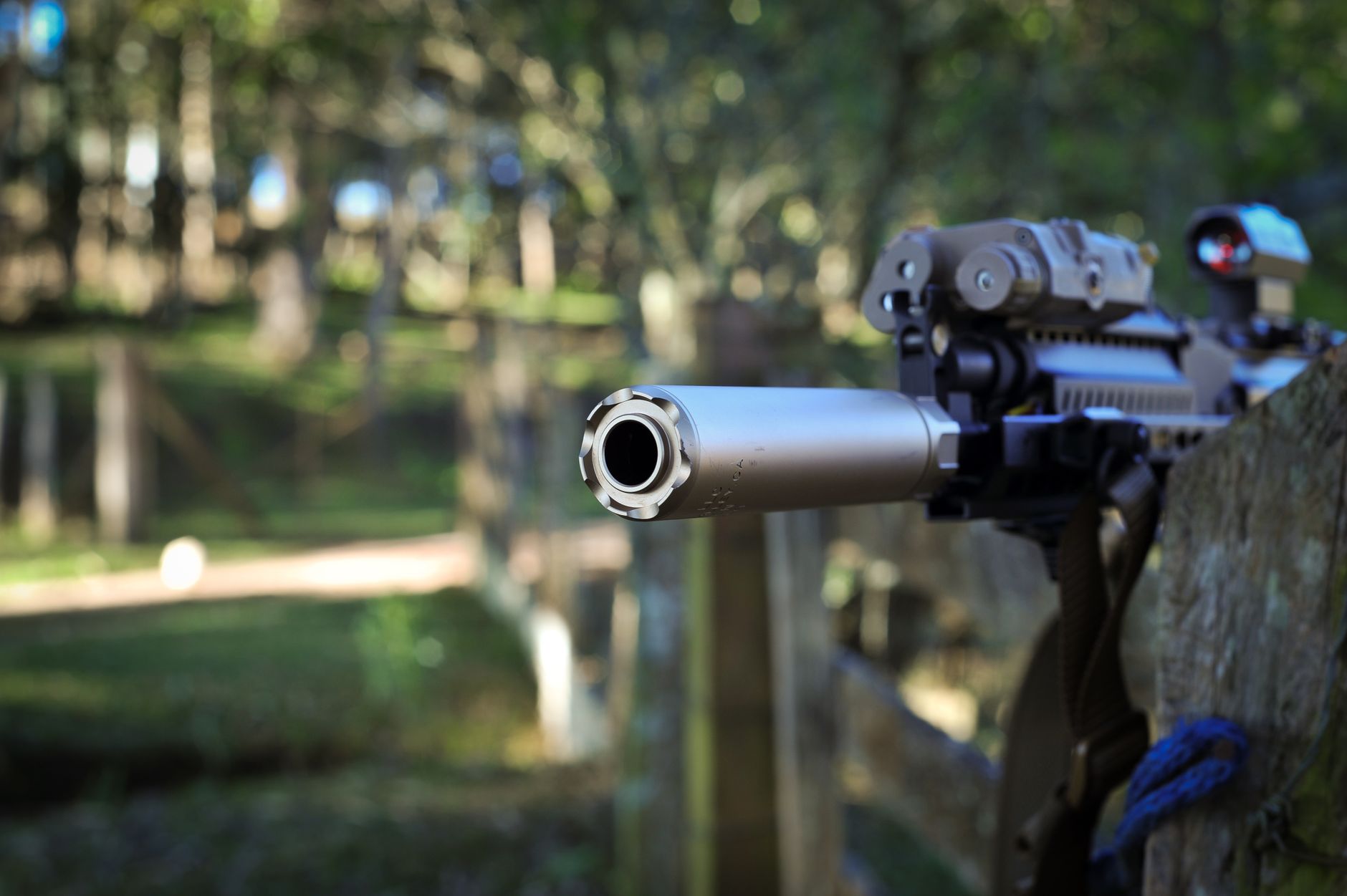
suppressor rules for hunters are now clarified by the LDWF following federal policy shifts. This update is crucial for ensuring compliance and understanding the new regulations.
Overview of Suppressor Rules
The recent clarification from the Louisiana Department of Wildlife and Fisheries (LDWF) regarding suppressor rules for hunters comes amidst evolving federal policies. As these regulations change, understanding the implications for hunters is crucial.
Suppressors have become increasingly popular among hunters for several reasons:
- Noise Reduction: Suppressors significantly lower the noise generated by firearms, making hunting less disruptive to the environment and other wildlife.
- Improved Accuracy: With reduced noise, hunters can maintain better focus and aim, potentially enhancing their overall shooting performance.
- Hearing Protection: Using a suppressor can protect hunters’ hearing, which is vital for long-term health, particularly for those who hunt frequently.
However, the rules surrounding their use can be complex. The LDWF emphasizes that while federal guidelines permit the use of suppressors, state laws may impose certain restrictions. It is essential for hunters to stay informed about both state and federal regulations to ensure compliance.
In summary, understanding the suppressor rules for hunters is essential for responsible and effective hunting practices in Louisiana.
Impact of Federal Policy Changes
The recent clarification by the Louisiana Department of Wildlife and Fisheries (LDWF) regarding suppressor rules for hunters has sparked considerable discussion among outdoor enthusiasts. The changes in federal policies surrounding firearm suppressors have prompted state agencies to reevaluate existing regulations to ensure compliance and safety.
One of the most significant impacts of these policy changes is the potential for increased hunting opportunities. By allowing the use of suppressors, hunters may experience less disturbance to wildlife and a more enjoyable hunting experience. Furthermore, the use of suppressors can contribute to hearing protection for hunters, promoting safer practices in the field.
However, the LDWF has emphasized the importance of understanding the updated suppressor rules. Hunters are encouraged to familiarize themselves with both federal and state regulations to avoid any legal issues while hunting. Key points to consider include:
- Registration Requirements: Ensure that suppressors are properly registered under federal law.
- State-Specific Regulations: Be aware of any additional state laws that may apply to the use of suppressors.
- Hunting Seasons and Locations: Confirm the legality of using suppressors in designated hunting areas.
Staying informed about these updates is crucial for responsible hunting practices.
Understanding LDWF’s Clarification
The Louisiana Department of Wildlife and Fisheries (LDWF) has recently issued clarifications regarding suppressor rules for hunters in light of evolving federal policies. This guidance aims to ensure that hunters understand the legal framework surrounding suppressor use while hunting.
According to LDWF, the adoption of sound suppressors can significantly enhance the hunting experience by reducing noise pollution and minimizing the disturbance to wildlife. However, the rules governing their use can often be complex and vary by state. LDWF emphasizes the importance of compliance with both state and federal regulations to avoid potential legal issues.
Key points highlighted in the LDWF clarification include:
- Legal Ownership: Hunters must ensure they have the proper licensing and registration for suppressors.
- Usage Restrictions: Suppressors may only be used during specific hunting seasons and in designated areas.
- Safety Protocols: Hunters are reminded to prioritize safety and responsibility when using suppressors.
As federal policy shifts continue to evolve, LDWF encourages hunters to stay informed about any changes that may affect suppressor rules for hunters. This proactive approach helps maintain a responsible hunting environment while respecting wildlife conservation efforts.
What Hunters Need to Know
As the landscape of firearm regulations continues to evolve, it is crucial for hunters to stay informed about the suppressor rules for hunters. Recent clarifications issued by the Louisiana Department of Wildlife and Fisheries (LDWF) have shed light on the use of suppressors in the state, particularly in light of new federal guidelines.
Hunters should be aware of the following key points:
- Legal Status: Suppressors are legal for hunting in many states, including Louisiana, but specific regulations may apply. It’s important to verify local laws before using a suppressor.
- Application Process: Obtaining a suppressor typically requires a federal tax stamp, which involves a background check and a waiting period. Hunters must ensure they complete this process correctly.
- Usage Regulations: Even when legal, there may be restrictions on where and when suppressors can be used in hunting activities. Always consult local guidelines to ensure compliance.
- Safety Considerations: While suppressors can reduce noise, hunters must prioritize safety and ensure that their equipment is properly maintained and used responsibly.
By understanding these suppressor rules, hunters can enhance their experience while remaining within the legal framework.
Common Misconceptions About Suppressors
Despite the growing acceptance of suppressors among hunters, several common misconceptions persist regarding their use and regulations. One prevalent myth is that suppressors completely silence gunfire. In reality, while suppressors significantly reduce noise, they do not eliminate it entirely. The sound of a bullet traveling through the air and the sonic crack from supersonic ammunition remain audible.
Another misconception is that suppressors are only used by criminals or for nefarious purposes. In contrast, many hunters advocate for suppressor use as a means to protect their hearing and minimize disturbance to wildlife and other outdoor enthusiasts. The suppressor rules for hunters emphasize the benefits of using these devices responsibly in the field.
Additionally, some believe that obtaining a suppressor is an arduous process filled with red tape. While there are regulations in place, the application process has become more streamlined in recent years, making it more accessible for law-abiding citizens.
Lastly, there is the belief that using a suppressor will hinder accuracy. However, many hunters find that suppressors can improve their shooting experience by reducing recoil and allowing for faster follow-up shots. Understanding these misconceptions is crucial for hunters considering the use of suppressors.
Legal Consequences of Non-Compliance
Failure to comply with suppressor rules for hunters can lead to serious legal repercussions. As regulations shift, particularly in response to changing federal policies, understanding the intricacies of these laws is crucial for responsible hunters.
In many states, using a suppressor without proper registration or permits can result in:
- Fines: Violations can incur hefty fines, which vary based on state laws.
- Criminal Charges: In some cases, using a suppressor unlawfully may lead to misdemeanor or felony charges.
- Loss of Hunting Privileges: Convictions for illegal use of suppressors can result in the suspension of hunting licenses.
- Confiscation of Equipment: Authorities may seize any illegally possessed suppressors, leading to financial loss.
Moreover, the legal landscape is constantly evolving. Hunters must stay informed about both federal and state regulations. LDWF has emphasized the importance of compliance, reminding hunters that ignorance of the law is not a valid defense. Engaging in responsible hunting practices is essential for ensuring both personal safety and the preservation of wildlife.
Resources for Hunters
As hunters navigate the evolving landscape of suppressor rules for hunters, it is essential to have access to reliable resources that can provide guidance and clarification. Here are some useful resources to consider:
- LDWF Official Website: The Louisiana Department of Wildlife and Fisheries (LDWF) offers comprehensive information on state regulations concerning suppressors. It is advisable to regularly check for updates and clarifications.
- ATF Resources: The Bureau of Alcohol, Tobacco, Firearms and Explosives (ATF) provides federal guidelines and legal definitions surrounding suppressors. Their publications can help clarify any federal restrictions.
- Local Hunting Clubs: Engaging with local hunting organizations can provide hunters with first-hand insights and experiences regarding the practical implications of suppressor rules.
- Online Forums: Participating in online hunting forums can connect hunters with others who share their experiences and knowledge about suppressors and compliance.
- Legal Advisors: For those seeking personalized advice, consulting legal experts specializing in firearms law can offer tailored guidance regarding the complexities of suppressor regulations.
Staying informed through these resources is crucial for compliance and safe hunting practices.
The ongoing debate surrounding suppressor rules for hunters has sparked discussions on safety and wildlife conservation. Many argue that clearer suppressor rules for hunters could enhance the hunting experience while minimizing noise disturbance in natural habitats.
Photo by Dan Galvani Sommavilla on Pexels