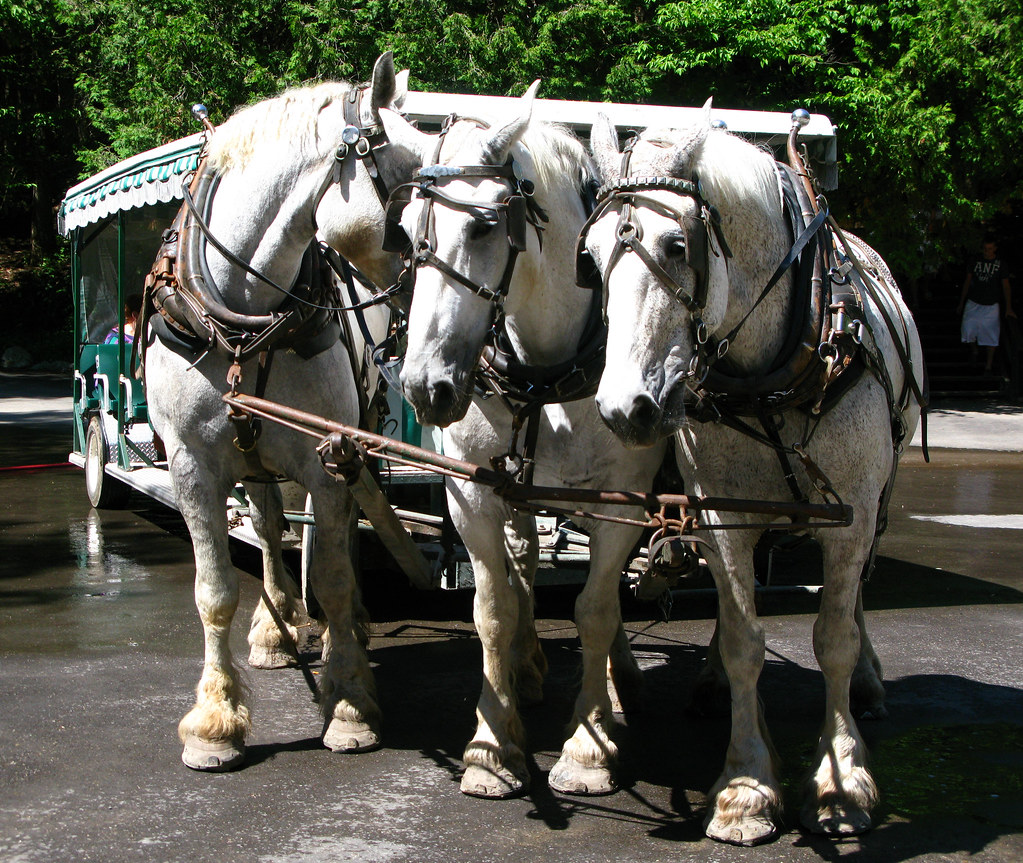
The ban horse-drawn carriages initiative in New York follows the tragic death of an Indian teen, sparking widespread debate and concern over public safety.
Overview of Romanch’s Law
Romanch’s Law represents a significant legislative move aimed at enhancing public safety in New York City by advocating for the ban of horse-drawn carriages. The law was introduced in response to a tragic incident involving the death of an Indian teenager, prompting widespread calls for action. This new regulation not only seeks to protect the welfare of horses but also aims to prevent future accidents that could endanger pedestrians and drivers alike.
The key provisions of Romanch’s Law include:
- Prohibition of horse-drawn carriages in all areas of New York City.
- Implementation of stricter regulations for horse care and management.
- Creation of alternative transportation options to support local tourism without compromising safety.
Supporters of the law argue that the ban on horse-drawn carriages is a necessary step towards ensuring a safer urban environment. As discussions continue, the focus remains on balancing animal welfare with the safety of the community.
Impact on Horse-Drawn Carriage Industry
The decision to ban horse-drawn carriages in New York has far-reaching implications for the industry, which has long been a staple of the city’s tourism. Many carriage operators are expressing concern about their livelihoods, as the legislation aims to phase out the traditional transport method in favor of more modern alternatives.
While the law is a response to safety concerns, particularly after the tragic death of an Indian teen, it raises questions about the future of those employed in the horse-drawn carriage sector. The following points illustrate the potential impact:
- Job Losses: Many carriage drivers may find themselves out of work as the industry dwindles.
- Economic Shift: The ban could lead to a shift in the tourism economy, with alternative attractions emerging.
- Animal Welfare: Advocates argue that the decision prioritizes the welfare of horses, which have faced safety risks on busy city streets.
As the law takes effect, the industry must navigate these challenges while adapting to a new landscape in urban transportation.
Public Reaction to the Ban
The recent vote to ban horse-drawn carriages in New York has sparked significant public reaction, with a mix of support and opposition emerging. Many residents have expressed relief and support for the decision, emphasizing the need for safer streets following the tragic incident that led to the enactment of Romanch’s Law.
Supporters of the ban argue that it is a crucial step towards ensuring the safety of both pedestrians and horses. They highlight the dangers associated with horse-drawn carriages in busy urban environments, where accidents can occur at any moment. In contrast, opponents of the ban worry about the economic implications for carriage drivers and the potential loss of a traditional tourist attraction.
As the debate continues, community members have taken to social media to voice their opinions:
- “Safety should always come first!” – Local resident
- “What about the livelihoods of the carriage drivers?” – Concerned citizen
The discussion surrounding the ban remains lively as New Yorkers navigate the balance between tradition and safety.
Legal Implications of the Ban
The recent passage of Romanch’s Law marks a significant legal shift in New York’s approach to horse-drawn carriages, aiming to enhance public safety. The law, which seeks to ban horse-drawn carriages, stems from a tragic incident involving the death of an Indian teenager, prompting lawmakers to reevaluate the safety risks associated with these vehicles.
Legal Implications of the Ban include a comprehensive review of existing regulations surrounding horse-drawn carriages. Advocates argue that the ban not only addresses public safety concerns but also aligns with animal welfare standards. As the law takes effect, carriage operators will be required to transition to alternative forms of transportation, which could lead to a significant restructuring of the industry.
Moreover, potential legal challenges may arise from carriage owners and employees who argue against the ban, claiming it violates their rights to operate businesses. As the city navigates these legal waters, the implications of this legislation will undoubtedly shape future discussions about urban transportation and animal rights.
Safety Concerns Raised
In light of recent tragic events, safety concerns surrounding horse-drawn carriages have intensified. The death of an Indian teen in New York sparked widespread outrage and prompted lawmakers to take decisive action. Many advocates for the ban argue that horse-drawn carriages pose significant risks to both the animals and the public.
Critics highlight several issues that contribute to these safety concerns:
- Traffic Hazards: The presence of horse-drawn carriages on busy streets can lead to dangerous encounters with vehicles, particularly in urban environments.
- Animal Welfare: Proponents of the ban emphasize the stress and potential harm to horses, which may not be suited for the hectic pace of city life.
- Driver Training: There are calls for better training and regulation of carriage drivers to ensure they can safely navigate city streets.
As discussions around the ban continue, the primary focus remains on ensuring the safety of both pedestrians and the horses involved. The push to ban horse-drawn carriages represents a significant step towards addressing these critical safety concerns.
Comparative Laws in Other States
Several states across the U.S. have taken steps to regulate or ban horse-drawn carriages, reflecting growing safety concerns similar to those that prompted New York’s recent legislation. In California, cities like Los Angeles have implemented strict guidelines for carriage operators, requiring regular health checks for horses and limiting routes to minimize traffic hazards.
Meanwhile, in Massachusetts, Boston has seen calls to ban horse-drawn carriages altogether, especially after several accidents involving vehicles and carriages. Advocates for animal rights argue that the welfare of horses should take precedence, supporting a ban on horse-drawn carriages to ensure both human and equine safety.
In contrast, states like Texas have opted for less regulation, opting instead for voluntary standards among operators. However, public outcry has led to renewed discussions about the need for tighter laws. As New York moves forward with Romanch’s Law, other states may look to follow suit, potentially leading to a nationwide trend towards banning horse-drawn carriages.
Future of Horse-Drawn Carriages in NYC
The future of horse-drawn carriages in NYC is uncertain following the recent passage of Romanch’s Law, which aims to ban horse-drawn carriages across the city. Advocates for animal welfare have long criticized the industry, citing safety concerns for both horses and pedestrians. The tragic death of an Indian teen has intensified calls for reform, leading lawmakers to take decisive action.
As the city moves towards implementing this ban, several key factors will shape the transition:
- Economic Impact: The horse-drawn carriage industry has historically been a tourist attraction. Transitioning away from this practice may affect local businesses reliant on tourism.
- Alternative Transportation: The city may explore sustainable alternatives for providing similar experiences without the use of animals.
- Public Safety: Proponents of the ban argue that eliminating horse-drawn carriages will enhance public safety and reduce accidents.
Ultimately, the decision to ban horse-drawn carriages reflects a growing awareness of ethical considerations and public safety in urban environments.
Advocating for a ban horse-drawn carriages is essential to ensure the safety of both pedestrians and animals. Many cities are recognizing the need to implement a ban horse-drawn carriages to prevent accidents and promote a more humane approach to urban transport.
By Rebecca Chatfield via Openverse