rule of law has been a topic of debate, especially following Yogi’s remarks about the emergency period in India. His statements have sparked discussions on legal principles.
Understanding Yogi’s Comments
In a recent statement, Yogi Adityanath stirred controversy by asserting that the Emergency period was characterized as the “ruler of law” rather than adhering to the rule of law. This remark has sparked debates among political analysts and citizens alike, raising questions about the implications of his interpretation.
Supporters of Yogi argue that his comments highlight the need for strong governance, especially during times of crisis. They believe that a decisive approach is sometimes necessary to maintain order and stability. However, critics warn that such a viewpoint undermines democratic principles and the importance of the rule of law, which safeguards individual rights and liberties.
The backlash against his remarks reflects a broader concern about the erosion of democratic norms in contemporary politics. Many fear that glorifying the “ruler of law” might set a dangerous precedent, leading to authoritarian governance. As discussions continue, the public remains divided on whether Yogi’s views align with the ideals of a just society.
Historical Context of the Emergency
The Emergency period in India, declared by then-Prime Minister Indira Gandhi from 1975 to 1977, remains one of the most controversial chapters in the country’s history. This period was marked by significant political unrest, censorship of the press, and widespread civil liberties violations. The declaration of Emergency was justified by the government as necessary to maintain order and stability, but it ultimately led to severe challenges to the rule of law.
Yogi Adityanath’s recent remarks, describing the Emergency as the “ruler of law,” have reignited debates over this tumultuous era. Many argue that such statements undermine the importance of democratic principles and the rule of law that are meant to protect citizens’ rights.
Understanding the implications of these comments requires a look back at the historical context:
- The suspension of fundamental rights.
- The imposition of strict censorship on the media.
- The jailing of political opponents and activists.
This historical backdrop is crucial in evaluating the ongoing discourse surrounding the rule of law in India today.
Impact on Rule of Law Today
The recent comments made by Yogi Adityanath have sparked intense debate regarding the rule of law in contemporary India. By asserting that the Emergency was a period of “ruler of law” rather than a commitment to the principles of justice and equality, Yogi’s remarks challenge the fundamental tenets that underpin democratic governance.
Critics argue that such statements can undermine public trust in legal institutions, as they imply a hierarchy where the will of a ruler supersedes established laws. This perspective raises concerns about the potential erosion of the rule of law, which is essential for protecting individual rights and maintaining accountability.
Supporters of Yogi contend that his comments reflect a pragmatic approach to governance, emphasizing strong leadership during times of crisis. However, this viewpoint risks normalizing authoritarian tendencies that may pose a threat to civil liberties.
As the discourse surrounding Yogi’s remarks continues, it is crucial to evaluate their implications for the rule of law and the future of democratic principles in the nation.
Public Reaction to Yogi’s Statement
The recent comments made by Yogi Adityanath regarding the Emergency have sparked a considerable public backlash. Many citizens and political analysts have taken to social media to express their disbelief at his assertion that the Emergency was more about the “ruler of law” than the “rule of law.”
Critics argue that this perspective undermines the very foundation of democratic principles in India. Social media platforms have been flooded with reactions, highlighting the potential dangers of prioritizing authority over established legal frameworks.
- “This is a dangerous notion,” remarked a prominent legal expert, emphasizing the need to uphold the rule of law.
- “We cannot ignore history,” stated a political commentator, urging citizens to remain vigilant against such rhetoric.
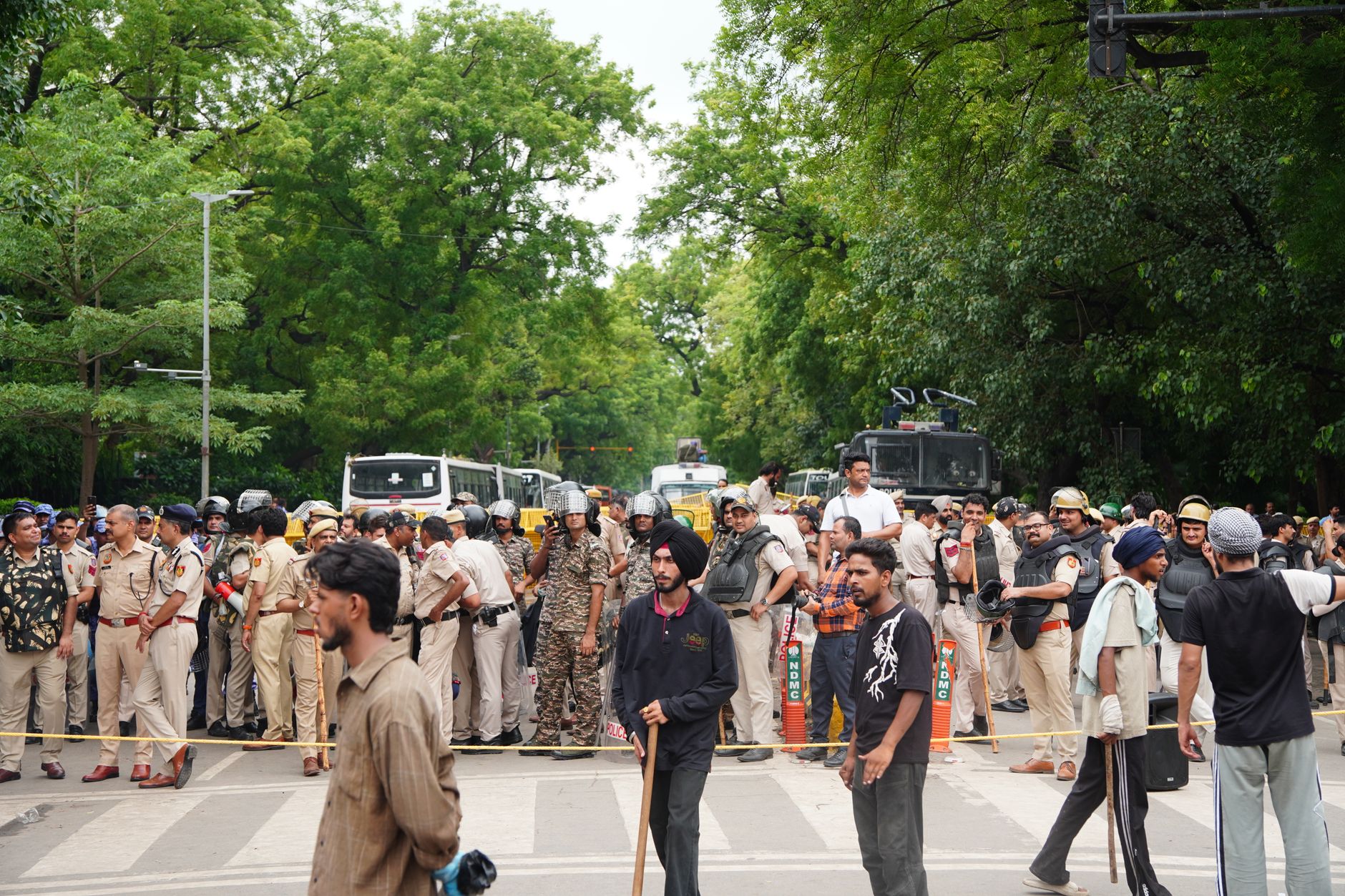
- Protests have also erupted in several cities, with demonstrators chanting slogans advocating for the preservation of democratic values.
As the debate continues, many are left wondering how such statements could impact the future of governance and the rule of law in India.
Legal Experts Weigh In
In the wake of Yogi Adityanath’s controversial remarks regarding the Emergency period in India, legal experts are expressing their concerns about the implications for the rule of law. They emphasize that equating the Emergency with a “ruler of law” undermines the fundamental principles of democracy and justice.
Many legal scholars argue that the rule of law is essential for maintaining a fair and just society. Dr. Anjali Mehta, a constitutional law expert, stated, “The Emergency was marked by the suspension of fundamental rights, which is the antithesis of the rule of law.” She highlights that any attempt to romanticize that era poses a threat to democratic values.
Other experts, such as Professor Rajiv Kumar, stress that the comments could influence public perception and policy. “When leaders dismiss the significance of the rule of law, it sets a concerning precedent for governance,” he warned.
As the debate unfolds, the legal community remains vigilant, advocating for a firm commitment to the rule of law as foundational to India’s democracy.
Photo by Tara Winstead on Pexels
References
The Times of India · Rule of law
Related reading
NCAA lawsuit Ohio Governor: What’s the Real Impact? · University of Belgrade rector election: Clear rules for success · Russia-related sanctions: The Wrong Move by Trump