Russia-related sanctions are at the forefront of political discussions as Trump waives them before they take effect, raising eyebrows among legal experts and politicians alike.
Understanding the Implications of Sanctions
The decision to waive Russia-related sanctions has sparked a significant debate among political analysts and economists. While some argue that lifting these sanctions could foster improved diplomatic relationships, others express concerns about the potential repercussions on global stability.
One of the main implications of easing restrictions on Russia includes:
- Economic Impact: Reducing sanctions may lead to increased trade and investment opportunities, but it could also embolden aggressive actions by the Russian government.
- International Relations: This decision might strain ties with U.S. allies who support the sanctions as a means of holding Russia accountable for its actions.
- Domestic Response: Voters and lawmakers who favor a tough stance on Russia may view the waiver as a betrayal of U.S. interests.
As the situation evolves, the long-term effects of Russia-related sanctions will need to be carefully assessed, balancing diplomatic efforts with national security concerns.
What Waiving Sanctions Means for US-Russia Relations
The recent decision by former President Trump to waive Russia-related sanctions has raised numerous questions regarding the future of US-Russia relations. By lifting these restrictions, Trump has signaled a potential shift in the diplomatic landscape, one that may embolden Russia’s actions on the global stage.
Many analysts argue that waiving sanctions could undermine the United States’ credibility in the eyes of its allies. Key implications of this decision include:
- Increased Russian Aggression: Without the economic pressure of sanctions, Russia may feel freer to engage in military and political maneuvers that destabilize regions such as Eastern Europe.
- Weakened Alliances: Allies who rely on US leadership may view this move as a sign of inconsistency, potentially straining international partnerships.
- Domestic Backlash: The decision could provoke criticism at home, as many Americans support a firm stance against Russian interference.
Ultimately, the ramifications of waiving sanctions could reverberate far beyond the immediate political landscape, impacting long-term strategic stability.
Legal Perspectives on Trump’s Decision
The recent decision by former President Trump to waive Russia-related sanctions has raised significant legal questions among experts. Critics argue that such an action undermines established international law and could potentially violate the Constitution. Legal scholars emphasize that the power to impose sanctions is often rooted in congressional authority, and bypassing this could set a concerning precedent.
Moreover, the implications of this decision extend beyond legal boundaries. It signals a shift in the U.S. stance toward Russia, which many view as a violation of commitments made to allies in NATO and other international coalitions. “This move could embolden not only Russia but also other nations contemplating similar actions,” warned a prominent constitutional law professor.
Furthermore, advocates for stringent sanctions argue that waiving them could weaken the U.S. position in negotiations regarding nuclear proliferation and cybersecurity threats. The legal ramifications, coupled with the potential diplomatic fallout, make this decision a contentious topic among lawmakers and legal analysts alike.
Public Reaction to Sanction Waivers
The public reaction to Trump’s decision to waive Russia-related sanctions has been largely critical, reflecting concerns over the implications for national security and international relations. Many citizens express distrust towards the administration’s motives, fearing that such moves could embolden Russia on the global stage.
Prominent figures from various sectors have voiced their opinions:
- Political analysts argue that waiving these sanctions undermines the U.S. stance against aggression from Russia.
- Economists warn that this may lead to greater instability in global markets, as it could signal a lack of commitment to enforcing international norms.
- Activists emphasize the potential human rights implications, suggesting that easing sanctions could provide Russia with resources to continue oppressive actions.
As public outcry grows, many are calling for accountability and a reevaluation of U.S. foreign policy towards Russia. The debate highlights a deep divide in opinions on how best to engage with a nation often viewed as a threat to democratic values.
Potential Consequences for American Businesses
The decision to waive Russia-related sanctions could have significant repercussions for American businesses operating in various sectors. By lifting these restrictions, the Trump administration may inadvertently create an uneven playing field, benefiting foreign competitors who adhere to stricter regulations. As a result, American companies might struggle to maintain their market position.
Moreover, the long-term effects of these sanctions could lead to increased uncertainty among investors. Many businesses thrive on stability and predictability, and the sudden changes in sanctions policy can deter both domestic and foreign investment. This uncertainty may force American companies to reconsider their expansion plans in Russia, impacting job creation and economic growth back home.
Additionally, the perception of lax enforcement of sanctions could damage the reputation of American businesses abroad. Companies perceived as willing to engage with a country under sanctions may face backlash, affecting their brand image and customer loyalty.
In summary, the decision to waive Russia-related sanctions could have far-reaching implications, complicating the landscape for American businesses and altering their competitive dynamics.
Historical Context of Sanctions
Sanctions have long been a tool of foreign policy, particularly in relation to Russia. Historically, the imposition of Russia-related sanctions has aimed to deter aggressive actions and influence governmental behavior. The United States has utilized such measures since the annexation of Crimea in 2014, which prompted a series of economic restrictions targeting key sectors of the Russian economy.
These sanctions have evolved over the years, often being adjusted in response to ongoing geopolitical tensions. They have served as a signal to both allies and adversaries about the U.S. stance on international law and human rights. The bipartisan support for these sanctions underscores a collective recognition of their strategic importance.
However, the decision by Trump to waive these sanctions marks a significant departure from this historical context. It raises questions about the effectiveness of sanctions as a policy tool and may embolden adversarial actions without the consequences that previous administrations sought to impose. As the implications of this decision unfold, it is crucial to analyze its potential impact on both international relations and domestic stability.
Expert Opinions on the Move
Experts have expressed a range of opinions regarding Trump’s decision to waive Russia-related sanctions. Dr. Emily Carter, a political analyst, believes that this move undermines the credibility of the US on the global stage. “By lifting these sanctions, the administration sends a message that it is willing to overlook Russia’s aggressive actions,” she stated.
In contrast, Professor Mark Thompson argues that waiving the sanctions could open up opportunities for dialogue. “Engagement rather than isolation might help in addressing some of the underlying issues between the two nations,” he noted.
However, Dr. Lisa Nguyen, an economist, warns of potential backlash. “American businesses may find themselves caught in a complicated web of international relations if sanctions are lifted without solid agreements in place,” she explained.
Overall, the consensus among experts is that while waiving Russia-related sanctions might have short-term benefits, it could complicate long-term relations and set a troubling precedent for future US foreign policy.
Future of US Foreign Policy
The decision to waive Russia-related sanctions marks a significant shift in US foreign policy, raising concerns among political analysts and foreign relations experts. This move could redefine America’s approach to international diplomacy, particularly with authoritarian regimes.
Many are questioning how this action aligns with the long-standing strategy of using sanctions as a tool to promote democracy and human rights. The implications of this decision could resonate beyond Russia, potentially emboldening other nations with similar governance styles to challenge US authority without fear of repercussions.
As the international community watches closely, the future of US foreign policy hinges on the administration’s ability to navigate these complex relationships. Key points to consider include:
- Will this lead to a resurgence of authoritarian regimes feeling empowered?
- How will allies respond to a perceived weakening of the US stance against aggression?
- What impact will this have on global stability and security?
Ultimately, the long-term consequences of waiving these sanctions could shape the geopolitical landscape for years to come.
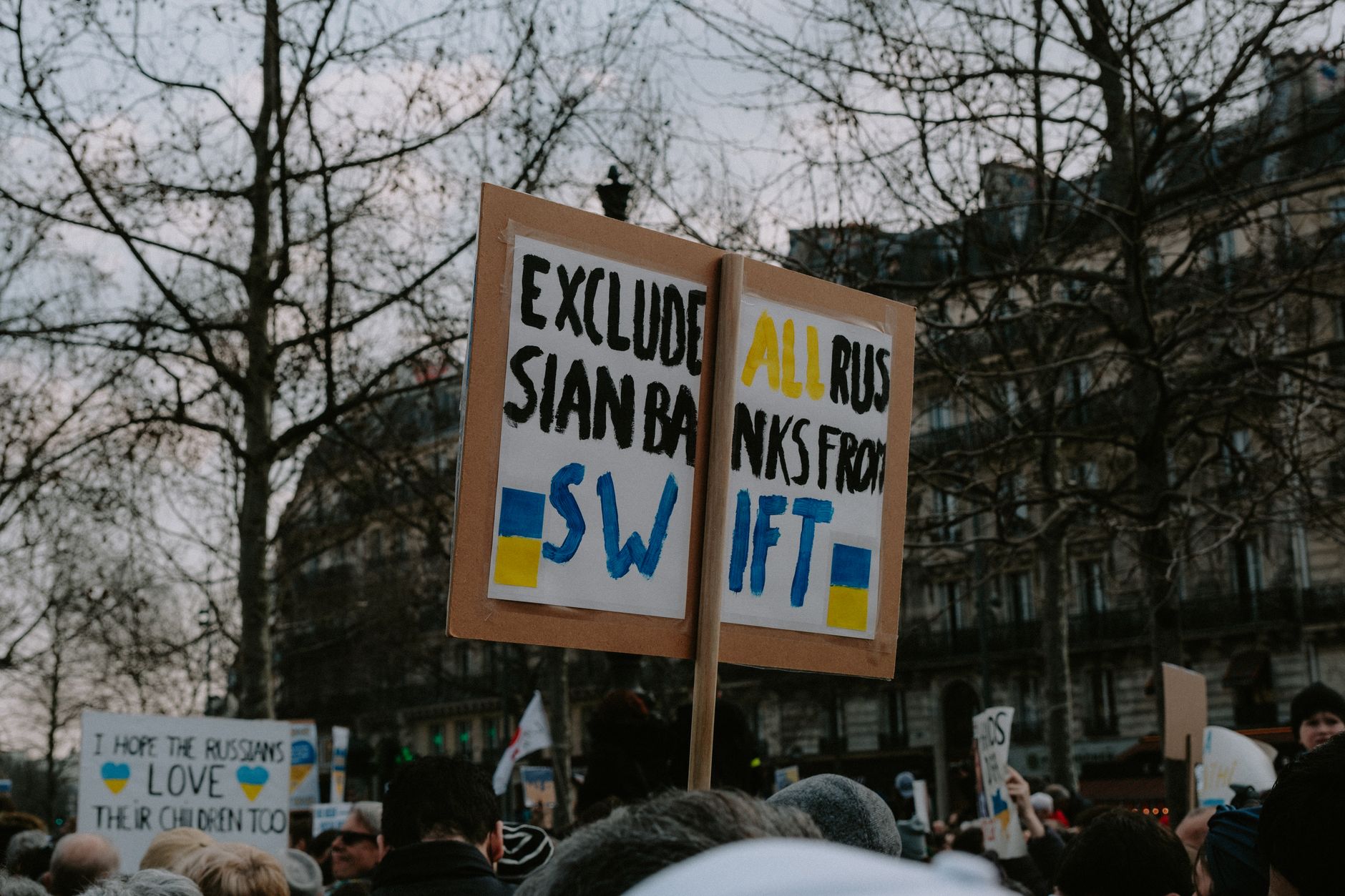
The decision to impose Russia-related sanctions has been met with considerable backlash from various political analysts. Critics argue that these Russia-related sanctions could further escalate tensions rather than promote diplomatic solutions.
Photo by Mathias Reding on Pexels
Where this came from
Russia-related sanctions: Worst impacts of Trump’s decision · Ticket resale price cap leads to legal battle with DC · Central Park closure: The Real Impact on Traders’ Rights