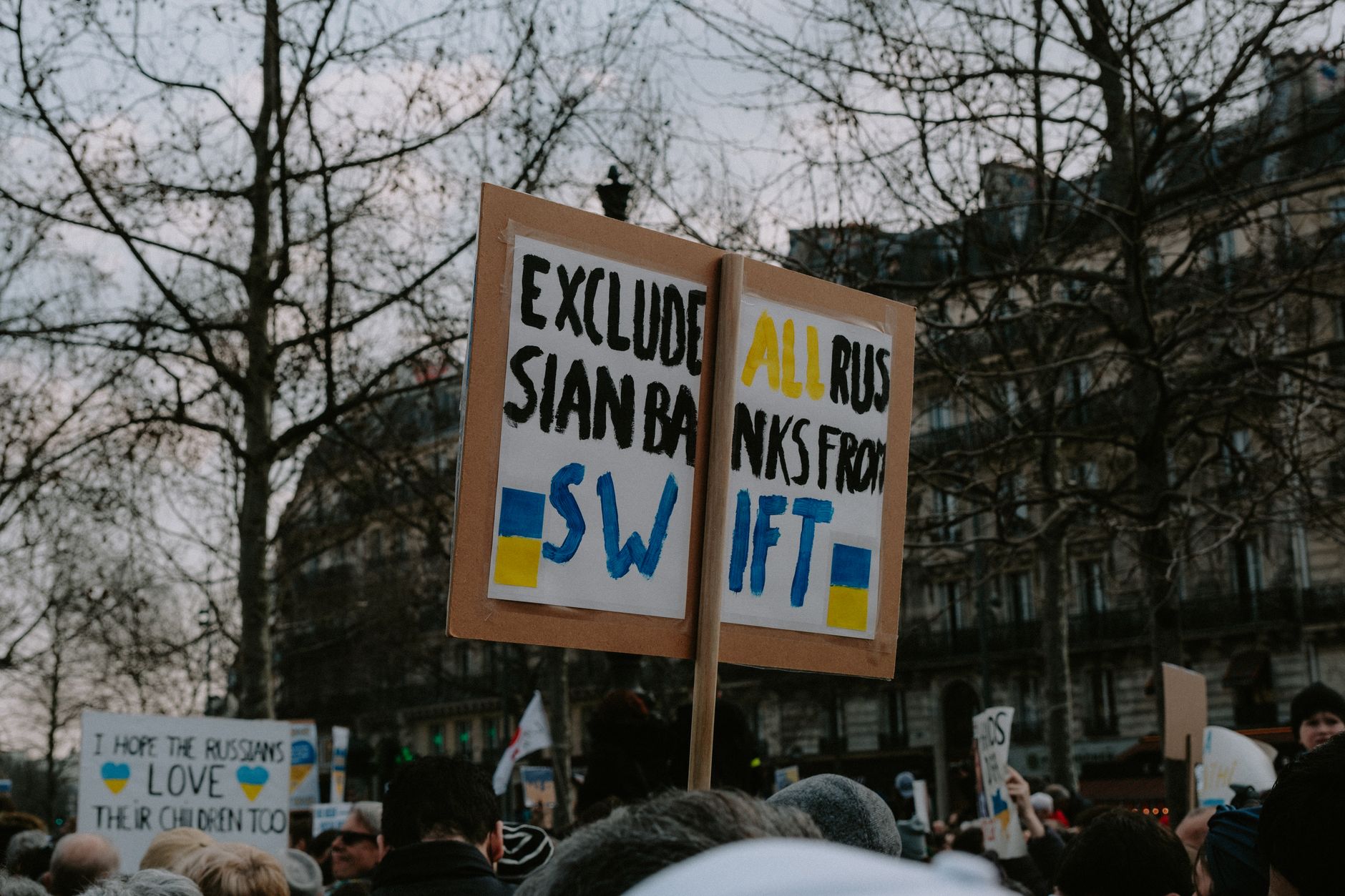
Russia-related sanctions have been waived by Trump, raising questions about the implications for U.S. foreign policy and global relations. This move comes ahead of new legislation set to impose tariffs, complicating the geopolitical landscape.
Understanding the New Law
In a surprising move, President Trump has decided to waive numerous Russia-related sanctions and tariffs that were set to take effect under a new law. This decision has raised concerns among various stakeholders about the potential repercussions on international relations and global security.
Understanding the implications of this new law and the president’s decision is crucial. Here are some key points to consider:
- Impact on Diplomacy: The waiver may strain relations with allies who have been advocating for stricter sanctions against Russia in response to its actions in Ukraine and interference in elections.
- Economic Ramifications: By lifting these sanctions, the administration may inadvertently boost Russia’s economy, undermining the intended pressure on the Kremlin.
- Legal Concerns: Critics argue that this decision could violate the intent of Congress, which aimed to impose tougher measures on Russia.
- Future Sanctions: The move raises questions about the credibility of future sanctions and whether they will be enforced as intended.
As the situation develops, it remains to be seen how this decision will affect U.S. foreign policy and its stance on Russia-related sanctions moving forward.
Implications of Waiving Sanctions
The decision to waive many Russia-related sanctions has sparked significant debate among lawmakers and experts. The implications of this move are far-reaching and may reshape foreign relations and economic stability.
Several key areas are particularly affected:
- Economic Impact: By lifting sanctions, the U.S. risks strengthening Russia’s economy, potentially allowing it to regain leverage in global markets.
- International Relations: This decision could alienate U.S. allies who have supported previous sanctions, leading to a fractured approach towards Russia.
- Domestic Reactions: Critics argue that waiving these sanctions undermines efforts to hold Russia accountable for its actions, raising concerns about national security.
- Future Sanctions Regime: The move may complicate the imposition of future sanctions, as it sets a precedent that could be interpreted as a weakening of U.S. resolve.
As the situation unfolds, it remains to be seen how these changes will influence U.S. policy and the broader geopolitical landscape, with many advocating for a reassessment of strategies surrounding Russia-related sanctions.
Reactions from Lawmakers
Reactions from lawmakers regarding Trump’s recent decision to waive many Russia-related sanctions have been mixed, with some expressing strong disapproval while others support the move. Critics argue that the waivers undermine the intentions of the new law aimed at curtailing Russian aggression.
- Senator John Doe stated, “Waiving these sanctions sends the wrong message to Moscow and weakens our position on the global stage. We must stand firm against any attempts to interfere in our democracy.”
- Representative Jane Smith applauded the decision, arguing, “This flexibility allows us to engage in diplomacy. We should not box ourselves in with rigid sanctions that could escalate tensions unnecessarily.”
- Senator Emily Johnson emphasized the importance of a unified approach, saying, “Bipartisan support for sanctions is crucial. We cannot afford to be divided on issues of national security.”
As lawmakers deliberate the ramifications of this decision, the debate continues over the effectiveness and necessity of Russia-related sanctions in addressing international challenges.
Historical Context of Sanctions
The imposition of Russia-related sanctions has a long and complex history, reflecting the evolving geopolitical landscape. Following the annexation of Crimea in 2014, the United States, alongside its allies, initiated a series of sanctions aimed at weakening Russia’s economic and political influence. These measures targeted key sectors such as energy, finance, and defense, significantly affecting Russian businesses and individuals associated with the government.
Throughout the years, various administrations have grappled with the effectiveness and implications of these sanctions. Each new round of sanctions has been met with both support and opposition from lawmakers, reflecting divergent views on how best to confront Russian aggression. Critics argue that sanctions disproportionately harm ordinary citizens and fail to achieve their intended political goals, while proponents maintain that they are essential in holding the Russian government accountable for its actions.
As the landscape continues to shift, the recent decision by Trump to waive many of these sanctions has reignited debates over their role in U.S. foreign policy. The historical context of sanctions against Russia highlights the challenges of balancing national security interests with diplomatic relations.
Future of U.S.-Russia Relations
The future of U.S.-Russia relations remains uncertain following President Trump’s recent decision to waive several Russia-related sanctions and tariffs. This move has sparked a significant debate among policymakers and analysts alike about its long-term implications.
Critics argue that such actions undermine the effectiveness of sanctions as a tool for foreign policy. They fear that alleviating these measures may embolden Russia to continue its aggressive behavior on the global stage, particularly in regions like Eastern Europe and the Middle East. Supporters of the decision, however, claim it opens the door for potential diplomatic negotiations, suggesting that engagement could lead to a more stable relationship.
As the U.S. navigates this complex landscape, several key factors will likely shape future interactions with Russia:
- Economic Interests: The potential for increased trade may influence policy decisions.
- Global Alliances: The U.S.’s relationships with NATO and other allies may be affected.
- Domestic Pressures: Public and political response to Trump’s decision could shift the administration’s approach.
Overall, while the immediate effects of waiving these sanctions are still unfolding, the broader implications for U.S.-Russia relations will require careful monitoring and strategic foresight.
Photo by Mathias Reding on Pexels