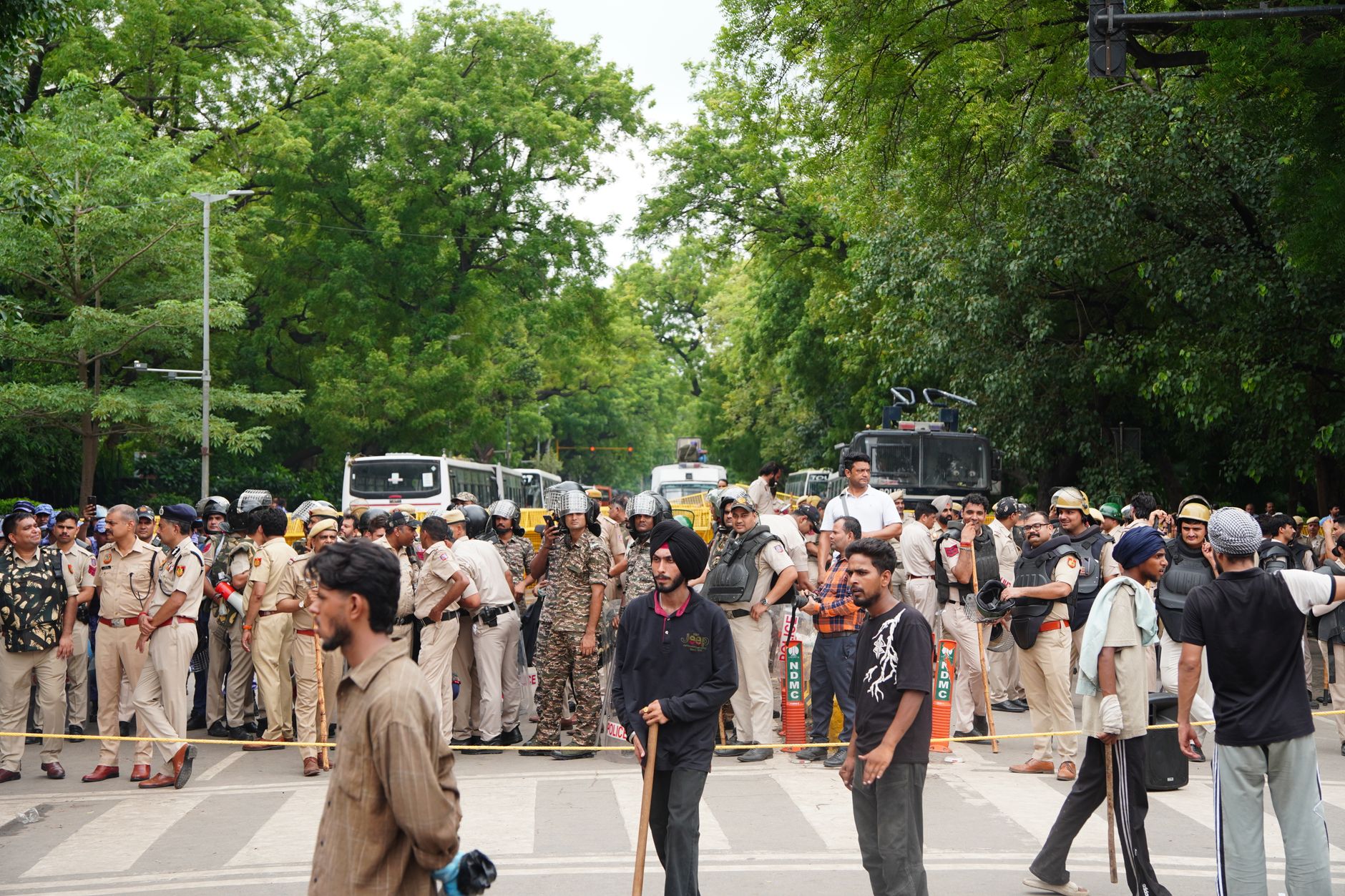
The UCC push in Maharashtra is becoming a hot topic as Fadnavis defends its constitutional responsibility. This initiative aims to unify personal laws across communities.
Understanding the UCC
The Uniform Civil Code (UCC) is a proposed set of laws aimed at replacing personal laws based on the scriptures and customs of each major religious community in India with a common set governing every citizen. The UCC push in Maharashtra has sparked considerable debate among various communities and political factions.
Supporters argue that the UCC will:
- Promote gender equality: By providing the same rights to women across different religions.
- Enhance national integration: By uniting citizens under a common legal framework.
- Simplify legal processes: Making them more accessible and less cumbersome for ordinary citizens.
On the other hand, critics voice concerns over the potential erosion of religious identities and freedoms. They argue that the UCC could be seen as an imposition rather than a protective measure. As the Maharashtra government prepares to advance this initiative, the implications of the UCC push in Maharashtra remain a critical topic of discussion among citizens and lawmakers alike.
Fadnavis’s Perspective on UCC
Devendra Fadnavis, the Deputy Chief Minister of Maharashtra, has expressed strong support for the UCC push in Maharashtra, describing it as a vital step towards ensuring equality among citizens. He asserts that the implementation of the Uniform Civil Code is not just a political move but a constitutional responsibility that aims to create a unified legal framework governing personal laws.
Fadnavis emphasized that the UCC would bring about significant benefits, including:
- Equality: Ensuring that all citizens are treated equally under the law, regardless of their religion or personal beliefs.
- Simplicity: Streamlining complex legal processes that currently differ across various communities.
- Justice: Providing fair and unbiased legal remedies for all, especially for women and marginalized groups.
He advocates that with the UCC push in Maharashtra, the state can set a precedent for the rest of the country, fostering a more cohesive society that values equal rights for all its citizens.
Impacts of UCC on Maharashtra Residents
The proposed implementation of the Uniform Civil Code (UCC) push in Maharashtra has sparked considerable debate among residents. Proponents argue that the UCC could lead to several positive changes, including:
- Equality: The UCC aims to provide equal rights to all citizens, irrespective of their religion, thus promoting gender equality.
- Simplification of Laws: By unifying personal laws, the UCC intends to simplify legal processes, making them more accessible to the common citizen.
- Reduction of Discrimination: It seeks to eliminate discriminatory practices that currently exist in various personal laws.
However, there are concerns regarding the UCC push in Maharashtra. Critics fear that it may undermine cultural and religious customs that are deeply rooted in the community. Moreover, there are apprehensions about the potential backlash from various religious groups who may feel their traditions are being threatened.
As the government moves forward, the outcome of the UCC implementation will significantly impact the social fabric of Maharashtra’s diverse population.
Comparative Analysis with Other States
The push for the Uniform Civil Code (UCC) in Maharashtra has sparked a comparative analysis with other states that have either implemented or proposed similar legislation. Several states in India have adopted UCC-like measures, aiming to create a cohesive legal framework for personal laws.
States like Goa have seen success with their civil code, which effectively integrates various religious laws while ensuring equality among citizens. In contrast, Uttar Pradesh’s attempts to implement UCC have faced significant opposition, raising questions about its feasibility and acceptance among diverse communities.
Moreover, states such as Uttarakhand and Himachal Pradesh have also explored UCC initiatives, but these have been met with mixed results, highlighting the challenges of enforcing a uniform code in a culturally rich and diverse nation like India.
As Maharashtra joins the ranks of states considering a UCC push, the outcomes of these comparative analyses may provide valuable insights into potential benefits and pitfalls, influencing public opinion and legislative action.
Public Opinion on UCC Implementation
Public opinion on the UCC push in Maharashtra has become a focal point of discussion among citizens and political commentators alike. Many residents express a mix of support and concern regarding the potential impact of a Uniform Civil Code on their personal lives.
Supporters of the UCC argue that it will promote gender equality and ensure that all citizens are treated equally under the law, regardless of their religion. They believe that this constitutional reform is essential for creating a more cohesive society. Key arguments from proponents include:
- Equality: The UCC is seen as a step towards eliminating discriminatory practices that affect women and marginalized communities.
- Uniformity: A common legal framework can simplify legal processes and reduce confusion regarding different personal laws.
Conversely, critics argue that the UCC push may infringe on religious freedoms and cultural practices. Concerns about the implications for personal law systems are prevalent among certain communities. As the debate continues, the question remains whether the UCC push in Maharashtra will indeed be a smart move for all citizens.
Legal Challenges Ahead for UCC
The proposed UCC push in Maharashtra is not without its legal hurdles, as the implementation of such a significant reform often encounters complex challenges. Legal experts are raising concerns regarding the constitutionality and feasibility of enforcing a uniform code across diverse communities with varying customs and traditions.
Some key challenges include:
- Constitutional Validity: The UCC must align with the fundamental rights guaranteed by the Indian Constitution, which may lead to disputes in courts.
- Personal Laws: Many communities have personal laws that may conflict with the proposed UCC, possibly triggering legal battles over religious freedoms.
- Judicial Intervention: Courts may need to interpret the UCC’s applicability, leading to a potential backlog of cases and extended delays in implementation.
As the Maharashtra government moves forward, it will need to navigate these legal challenges carefully, ensuring that the UCC push does not infringe on individual rights while attempting to unify diverse practices under a single legal framework.
UCC and Its Constitutional Basis
The Uniform Civil Code (UCC) is grounded in the Indian Constitution, specifically under Articles 44 and 37. Article 44 mandates that the State shall endeavor to secure for its citizens a uniform civil code throughout the territory of India. This highlights the constitutional responsibility of the government to provide a cohesive legal framework governing personal matters such as marriage, divorce, and inheritance, irrespective of religion.
Supporters of the UCC push in Maharashtra argue that it promotes gender equality and protects the rights of marginalized communities by ensuring that all citizens are treated equally under the same set of secular laws. The implementation of the UCC is seen as a step towards national integration and social justice, reducing disparities caused by personal laws based on religious practices.
However, critics express concerns about potential resistance from various communities who fear that their religious identities may be threatened. As the debate unfolds, it remains crucial to assess the implications and acceptance of the UCC among Maharashtra’s diverse population.
Future of UCC in India
The future of the Uniform Civil Code (UCC) in India is a topic of significant debate, especially with the recent UCC push in Maharashtra. Advocates argue that implementing the UCC could lead to greater equality and justice, eliminating disparities that exist within personal laws based on religion and community.
As various states explore the possibility of adopting a UCC, Maharashtra’s initiative may serve as a catalyst for broader discussions and reforms across the country.
Key factors influencing the future of the UCC include:
- Political Will: The commitment of state governments to prioritize the UCC in legislative agendas.
- Public Awareness: Increased understanding among citizens regarding the benefits and implications of a unified personal law.
- Judicial Review: The role of the judiciary in interpreting and upholding the constitutional validity of the UCC.
As Maharashtra moves forward, the outcomes could set important precedents for other states contemplating similar reforms.
The UCC push in Maharashtra aims to create a uniform legal framework that can simplify personal laws for all citizens. Many believe that the UCC push in Maharashtra could promote gender equality and social justice across diverse communities.
Photo by CP Khanal on Pexels
Read the original
Related reading
German employment law: Clear implications of recent reforms · AI Regulator Announcement: Is It the Right Move for Safety? · DOJ Policy Shifts: 2 Proven Insights for Federal Funds Recipients