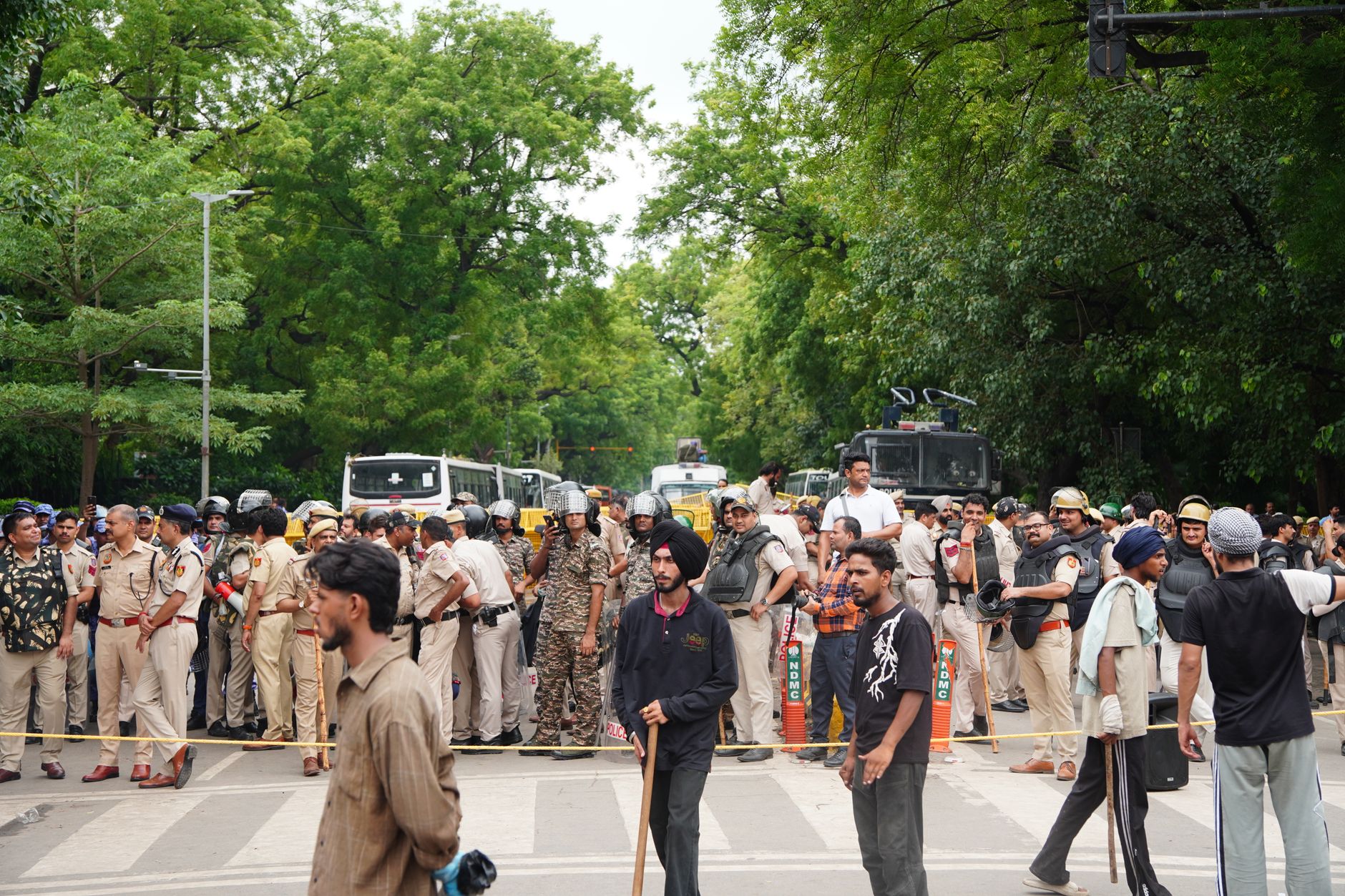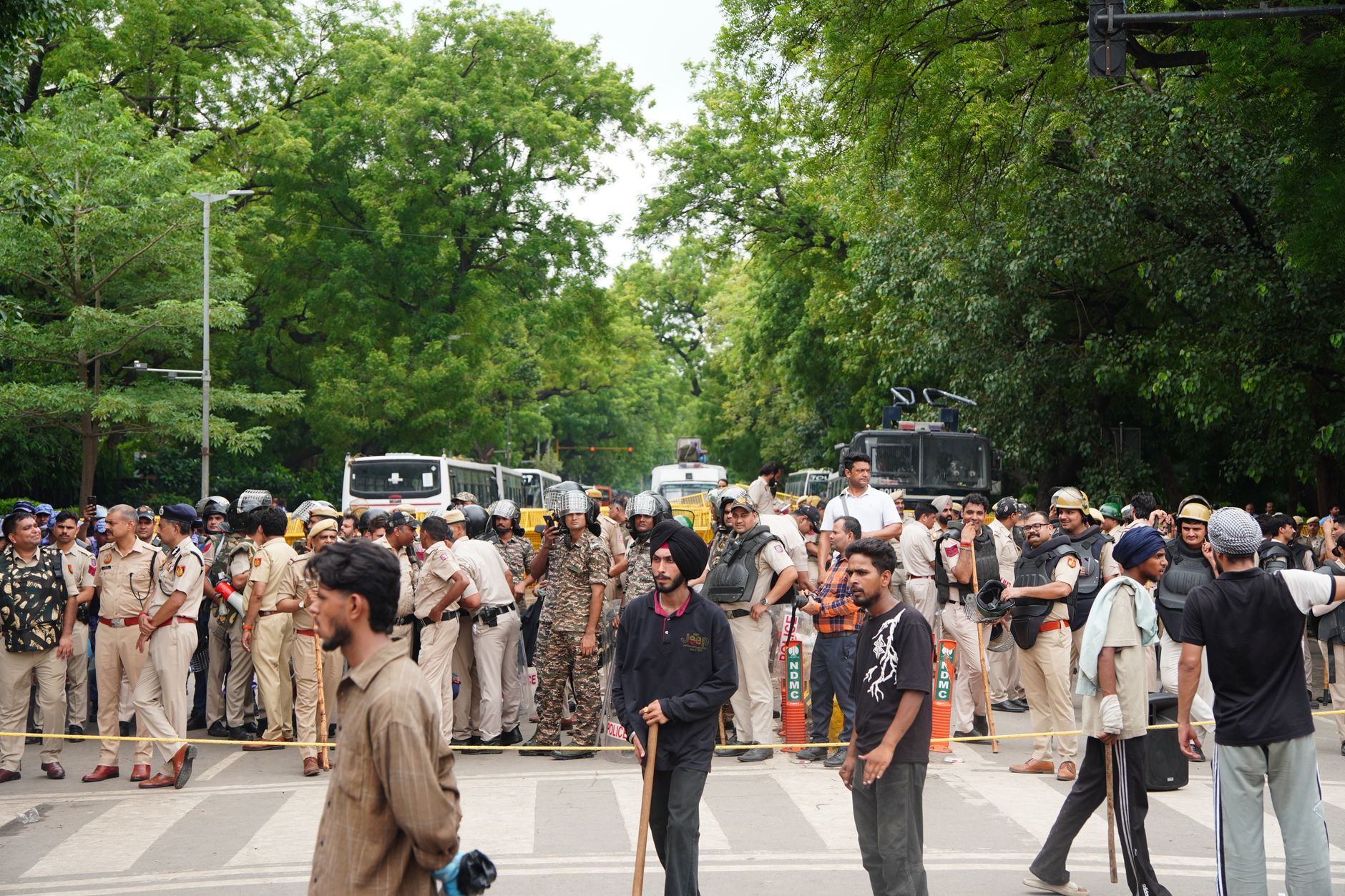
The OBC reservation law has been quashed by the Madhya Pradesh High Court, which deemed it unconstitutional. This ruling raises critical questions about reservation policies in India.
Overview of the OBC Reservation Law
The OBC reservation law has been a critical aspect of India’s affirmative action policies aimed at providing opportunities to socially and economically backward communities. In 2019, the Madhya Pradesh government enacted a law that increased the reservation for Other Backward Classes (OBC) to 27%, which was met with both support and opposition. Proponents argued that the law would bridge the gap between different social strata and promote inclusivity in education and employment sectors.
However, the recent ruling by the Madhya Pradesh High Court has quashed this law, declaring it unconstitutional. The court’s decision came after a thorough examination of the legal framework surrounding reservation policies in India. The judges asserted that the increase in OBC reservation exceeded the permissible limits established by the Supreme Court, which has previously set a cap of 50% on total reservations in any state.
In its judgment, the High Court emphasized the importance of maintaining a balance in reservation policies to ensure that the rights of all communities are respected. This ruling could have significant implications for similar laws across the country, prompting other states to reevaluate their OBC reservation frameworks. The decision has sparked discussions on the future of affirmative action in India, as stakeholders weigh the need for social justice against the legal constraints established by the judiciary.
Implications of the Court’s Ruling
The recent ruling by the Madhya Pradesh High Court has significant implications for the OBC reservation law and the communities it impacts. By quashing the 2019 law that aimed to increase OBC reservation to 27%, the court has highlighted critical legal boundaries regarding affirmative action in India.
Experts suggest that this decision may set a precedent for similar cases in other states, potentially curtailing efforts to enhance reservation quotas without appropriate legislative backing. The court deemed the law unconstitutional, emphasizing that any modification of reservation policies must adhere to the principles laid out in the constitution.
Among the key implications of this ruling are:
- Impact on OBC Communities: Many individuals from OBC backgrounds may face uncertainty regarding their access to educational and employment opportunities.
- Political Repercussions: The ruling could influence political dynamics, as parties supporting increased reservations may need to reassess their strategies.
- Legal Framework Reevaluation: This decision may prompt a reevaluation of existing laws concerning reservation, leading to a potential tightening of regulations around such measures.
- Future Legislation: Lawmakers may be compelled to develop new legislation that aligns with the court’s interpretation while still addressing the needs of marginalized communities.
Ultimately, the implications of the court’s ruling will resonate throughout the political and social fabric of the state, reshaping discussions on equity and representation.
Historical Context of OBC Reservations
The concept of reservation for Other Backward Classes (OBC) in India dates back several decades, aimed at promoting social and educational equity. The idea gained significant momentum in the 1990s when the Mandal Commission report recommended a 27% reservation for OBCs in government jobs and educational institutions. This was a landmark moment in the country’s affirmative action policy, as it sought to address historical injustices faced by marginalized communities.
Over the years, various state governments have enacted laws to implement OBC reservations, with differing percentages based on local demographics and political considerations. The OBC reservation law has been a contentious issue, with debates often centering around its implications for meritocracy and social justice. Critics argue that excessive reservation dilutes the quality of education and public service, while proponents maintain that it is essential for uplifting disadvantaged groups.
The legal framework surrounding OBC reservations has also evolved. The Supreme Court and various High Courts have delivered numerous judgments that have shaped the reservation landscape, often emphasizing the need for empirical data to justify the percentage of reservations. The recent quashing of the 2019 law that aimed to raise OBC reservations to 27% by the Madhya Pradesh High Court underscores the ongoing legal scrutiny of these policies, with the court deeming it unconstitutional. This ruling reignites discussions on the future of OBC reservation law in India.
Key Arguments Presented in Court
The recent ruling by the Madhya Pradesh High Court regarding the OBC reservation law has sparked significant debate. Several key arguments were presented during the proceedings that contributed to the court’s decision to quash the 2019 law.
- Unconstitutionality of the Amendment: The petitioners argued that the law violated fundamental rights enshrined in the Constitution. They emphasized that increasing the OBC reservation to 27% without adequate justification breached the legal framework.
- Lack of Empirical Evidence: The court noted that the government failed to provide compelling data to support the hike in reservations. The absence of thorough studies on social and educational backwardness among OBCs was highlighted as a significant flaw.
- Impact on Other Categories: Concerns were raised regarding how the increased reservation would adversely affect other categories, particularly the general category candidates. The argument posited that such a move could lead to an imbalance in the representation of various communities.
- Precedents and Legal Principles: The defense cited previous judgments that emphasized the necessity of a rational basis for implementing reservation laws. The court referred to these precedents while deliberating on the constitutionality of the OBC reservation law.
In summary, the court’s ruling reflects a comprehensive examination of the arguments surrounding the OBC reservation law, underscoring the importance of adhering to constitutional principles.
Reactions from Political Leaders
The recent ruling by the Madhya Pradesh High Court to quash the 2019 OBC reservation law has sparked a wave of reactions from political leaders across the spectrum. Many have expressed their views on the implications of this decision for the OBC community.
- The Chief Minister of Madhya Pradesh stated that the government respects the court’s decision but emphasized the need for a policy that supports OBCs in the state. He mentioned, “We will work towards a legal framework that ensures the rights of the OBC community.”
- Opposition leaders criticized the ruling, arguing that it undermines years of progress made in empowering OBCs. A prominent opposition figure remarked, “This decision is a setback for social justice and the aspirations of the OBC population.”
- Social activists have also weighed in, calling for a comprehensive review of the reservation policies. One activist noted, “The OBC reservation law was a step in the right direction, and its quashing raises concerns about the future of inclusive governance.”
- Legal experts are divided, with some supporting the court’s stance on constitutional grounds while others warn of the potential negative consequences for marginalized communities. A legal scholar commented, “The decision highlights the delicate balance between legal frameworks and social equity.”
Future of Reservation Policies in India
The recent quashing of the OBC reservation law by the Madhya Pradesh High Court raises significant questions about the future of reservation policies in India. With the court declaring the 2019 law, which aimed to increase OBC reservation to 27%, unconstitutional, various stakeholders are now reevaluating their positions on affirmative action.
One of the primary concerns is the balance between ensuring adequate representation for marginalized communities and maintaining meritocracy. As courts continue to scrutinize such laws, states may feel compelled to reassess their reservation frameworks. This could lead to a patchwork of policies across India, with some states opting for higher reservations while others may reduce them to comply with judicial directives.
Additionally, the ruling could spark renewed debates within political circles regarding the criteria for OBC classification and the overall necessity of reservation laws. Political leaders representing OBC communities may push for new legislation that aligns with the court’s expectations while still addressing the needs of their constituents.
Furthermore, there is a growing demand for more inclusive policies that do not merely rely on caste but consider economic and social factors. The challenge remains for policymakers to craft laws that are both equitable and legally sound, ensuring that OBC communities receive the support they need without infringing on constitutional principles.
Legal Precedents Affecting This Case
The recent ruling by the Madhya Pradesh High Court regarding the OBC reservation law has raised significant discussions regarding its legal foundations and implications. Several legal precedents have shaped the course of this case, influencing the court’s decision and highlighting the complexities surrounding reservation policies in India.
One of the pivotal cases referenced was Indra Sawhney vs. Union of India, where the Supreme Court established the principle of creamy layer exclusion for Other Backward Classes. This case underscored the necessity of ensuring that the benefits of reservation do not extend to those who have already achieved substantial socio-economic status.
Additionally, the M. Nagaraj vs. Union of India case further emphasized the need for states to provide quantifiable data to justify the necessity of OBC reservations. This precedent was crucial in evaluating whether the 2019 law, which aimed to increase OBC reservation to 27%, adhered to constitutional mandates.
Furthermore, the court’s decision also draws on the principle of equality enshrined in the Constitution, as highlighted in the Vishaka vs. State of Rajasthan ruling, which reinforced that laws must not violate fundamental rights.
As legal interpretations evolve, the implications of these precedents will continue to influence future discussions on the OBC reservation law and its alignment with constitutional principles.
The recent ruling has sparked widespread debate regarding the implications of the OBC reservation law on social equity. Legal experts are now analyzing how the quashing of the OBC reservation law will affect future policies aimed at uplifting marginalized communities.
Photo by Harikrishan Jakhar on Pexels
Sources
Related stories
OBC quota in Madhya Pradesh: Court’s Wrong Decision Unveiled · CAPF Act 2023: Proven Changes for IPS Officers’ Roles · Act 57 vape law: Clear impact on smoke shops