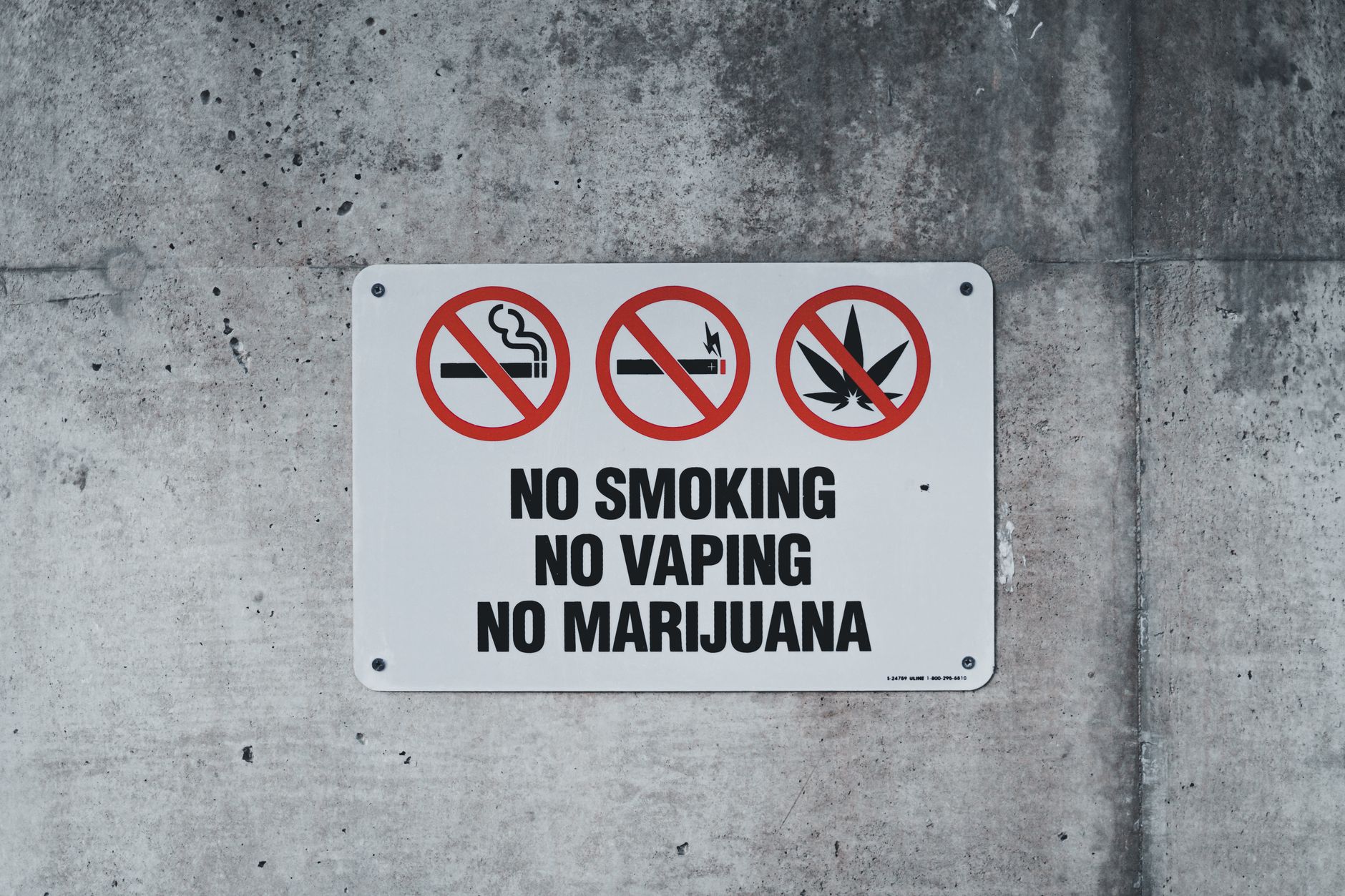
Act 57 vape law has sparked significant reactions from smoke shops regarding its impact on the sale of vape and e-cigarette products.
Overview of Act 57
The recent implementation of the Act 57 vape law marks a significant turning point in the regulation of vaping products across the region. This new legislation is designed to enhance public health by addressing the rising concerns surrounding the use of e-cigarettes and vape products, particularly among youth.
Under the provisions of Act 57, several categories of vape and e-cigarette products are now prohibited. This includes flavored vape liquids and certain devices that have been linked to increased usage among teenagers. The law aims to reduce the appeal of vaping to younger audiences who may be drawn in by enticing flavors and marketing strategies.
Local smoke shops have been notably impacted by these changes. Many shop owners express concern about the potential decline in sales and the overall effect on their businesses. The law’s restrictions have forced them to reevaluate their product offerings and adapt to a rapidly changing market landscape.
In response to the enactment of Act 57, shop owners are exploring new strategies to comply with the law while remaining viable. They are also engaging with community members to raise awareness about the implications of vaping and the importance of responsible usage.
The ongoing discussions surrounding Act 57 highlight the broader conversation about public health, youth protection, and the future of vaping in society.
Impact on Smoke Shops
The recent implementation of the Act 57 vape law has left a significant mark on smoke shops across the region. Many retailers are grappling with the consequences of this legislation, which aims to restrict the sale of certain vape and e-cigarette products.
With the new regulations in place, smoke shop owners are facing several challenges:
- Product Availability: Many popular vape products have been banned, leading to a diminished inventory that affects sales.
- Customer Base: Loyal customers who relied on specific brands and flavors are now seeking alternatives, potentially driving them to online retailers.
- Compliance Costs: Smoke shops must invest in training and compliance measures to ensure adherence to the new law, adding financial strain.
- Market Competition: With restrictions on certain products, the competitive landscape changes, pushing retailers to adapt their offerings.
Some shop owners have expressed concern about the long-term viability of their businesses under the Act 57 vape law. In interviews, they highlighted the need for a balanced approach that considers public health without severely impacting local economies. While the intent of the law is to promote safer alternatives, the immediate fallout has raised questions about its practical implications for small businesses.
Reactions from Retailers
Reactions from retailers regarding the Act 57 vape law have been mixed, reflecting both concern and adaptability in the face of regulatory changes. Many smoke shop owners express frustration over the restrictions imposed by the new legislation, which they believe will significantly impact their sales and customer base.
One shop owner stated, “We are already facing challenges with dwindling foot traffic, and the Act 57 vape law will only worsen our situation. Our customers rely on a variety of products, and limiting options feels like a step backward.” This sentiment is echoed across the industry, as retailers worry that the law may drive loyal customers to seek alternative sources, including online vendors who may not be subject to the same restrictions.
However, some retailers are taking a proactive approach. They are exploring new product lines that comply with the regulations while emphasizing quality and safety. “We understand that regulations are necessary for public health, but we must also adapt to survive,” remarked another shop owner. “We’re focusing on offering more traditional smoking products and expanding our inventory of accessories.”
As the smoke shop community navigates the implications of the Act 57 vape law, the long-term effects remain to be seen. Retailers are preparing for a challenging transition but remain hopeful for a balanced approach to regulation and consumer choice.
Legal Challenges Ahead
The introduction of the Act 57 vape law has sparked a series of legal challenges that may reshape the landscape for vape and smoke shops. Retailers across the state are voicing their concerns, citing potential violations of their rights and the economic ramifications of the law.
Many shop owners fear that the restrictions imposed by Act 57 will lead to substantial losses, prompting them to consider legal action. A few key points have emerged in discussions surrounding potential challenges:
- Constitutional Rights: Some retailers argue that the law infringes on their rights to operate their businesses freely and serve adult consumers.
- Economic Impact: Legal representatives are highlighting the detrimental effects on local economies, with many shops facing potential closures if the law remains in effect.
- Regulatory Overreach: Critics assert that the Act represents an overreach of governmental power, questioning the justification for banning specific products without adequate evidence of their harm.
As litigation unfolds, the outcomes could set significant precedents for both the vape industry and the broader retail landscape. The implications of the Act 57 vape law may reach far beyond smoke shops, affecting how laws are crafted and enforced in the future.
Consumer Response
As the new Act 57 vape law takes effect, consumer responses have varied widely, reflecting both concern and support among vape enthusiasts and casual users alike. Many consumers have expressed frustration over the sudden removal of several popular vape products from the shelves. This law, which aims to regulate the vaping industry more strictly, has sparked a significant discussion among users about their options moving forward.
In a recent survey conducted among local vape shop customers, nearly 65% reported dissatisfaction with the restrictions imposed by Act 57. They voiced worries about the availability of their preferred flavors and brands, which they believe enhance their vaping experience. Moreover, some consumers fear that these limitations could push them back toward traditional cigarettes, which the law aims to combat.
Conversely, there are consumers who support the Act 57 vape law, arguing that it is a step towards promoting public health. Many believe that reducing access to certain flavored products could deter underage vaping, thereby protecting younger populations. Local health advocates have backed this perspective, emphasizing the importance of responsible vaping practices.
As the dust settles, it remains to be seen how this law will ultimately reshape consumer behavior and the vape market. For now, discussions continue as users adapt to the new regulations.
Health Implications of the Ban
The enactment of the Act 57 vape law has raised significant health concerns among both consumers and health professionals. While the law aims to regulate vaping products, it inadvertently affects users who rely on these alternatives for smoking cessation.
Health experts argue that the ban on certain flavored vape products could lead to unintended consequences. Without access to appealing flavors, many individuals may revert to traditional tobacco products, which are known to have severe health risks. This potential shift raises alarms about increased smoking rates among former vapers.
Furthermore, the law may also disproportionately impact young adult smokers who view vaping as a less harmful option. As flavors that attract this demographic are removed from the market, they may seek out unregulated or illegal alternatives, which could pose even greater health risks.
Many health advocates emphasize the importance of providing safer alternatives to smoking rather than restricting access. They stress that a well-regulated vaping industry can play a crucial role in public health by reducing tobacco-related diseases.
As the effects of the Act 57 vape law unfold, the conversation surrounding its health implications will undoubtedly continue. Stakeholders, including health organizations and policymakers, will need to monitor these developments closely to ensure that the ultimate goal of reducing smoking rates is achieved.
Future of Vaping Products
The future of vaping products in light of the Act 57 vape law remains uncertain as stakeholders assess the long-term implications of this legislation. While the law aims to curb youth access to vaping, it has also sparked discussions about innovation within the industry. Smoke shop owners are particularly concerned about how this ban will affect their product offerings and overall viability.
As regulations tighten, many manufacturers are exploring alternative formulations and devices that comply with the new legal standards. Some key points regarding the future of vaping products include:
- Innovation in Product Design: Companies are likely to invest in research and development to create new products that meet the requirements set by the Act 57 vape law.
- Market Adjustments: Retailers may shift their focus to other tobacco products or smoking alternatives in response to the ban on specific vaping items.
- Consumer Trends: As public perception of vaping shifts, consumers may seek out safer or more regulated alternatives, influencing market dynamics.
In summary, the landscape for vaping products is evolving rapidly as the industry grapples with the repercussions of the Act 57 vape law. The adaptability of manufacturers and retailers will be crucial in navigating this new regulatory environment.
Conclusion and Next Steps
In conclusion, the implementation of the Act 57 vape law is set to reshape the landscape of smoke shops and the broader vaping industry. With several products now banned, retailers are grappling with the immediate financial implications and the long-term effects on their businesses. Many smoke shop owners are concerned about adapting to this new reality, which may limit their inventory and reduce foot traffic as consumers seek alternative products or turn to unregulated markets.
The next steps for retailers may involve reevaluating their business models and exploring new product lines that comply with the Act 57 regulations. As industry stakeholders navigate this transition, it will be crucial for them to engage with local communities to educate consumers about the changes and promote safer options.
Furthermore, ongoing legal challenges could influence the future of the Act 57 vape law, potentially altering its scope or implementation timeline. Retailers and consumers alike are encouraged to stay informed about these developments, as the outcomes may significantly impact the availability of vaping products in the market.
Ultimately, the Act 57 vape law represents a pivotal moment for smoke shops and the vaping community. The response from both retailers and consumers in the coming months will be essential in shaping the future of vaping and tobacco alternatives.
Photo by Erik Mclean on Pexels