
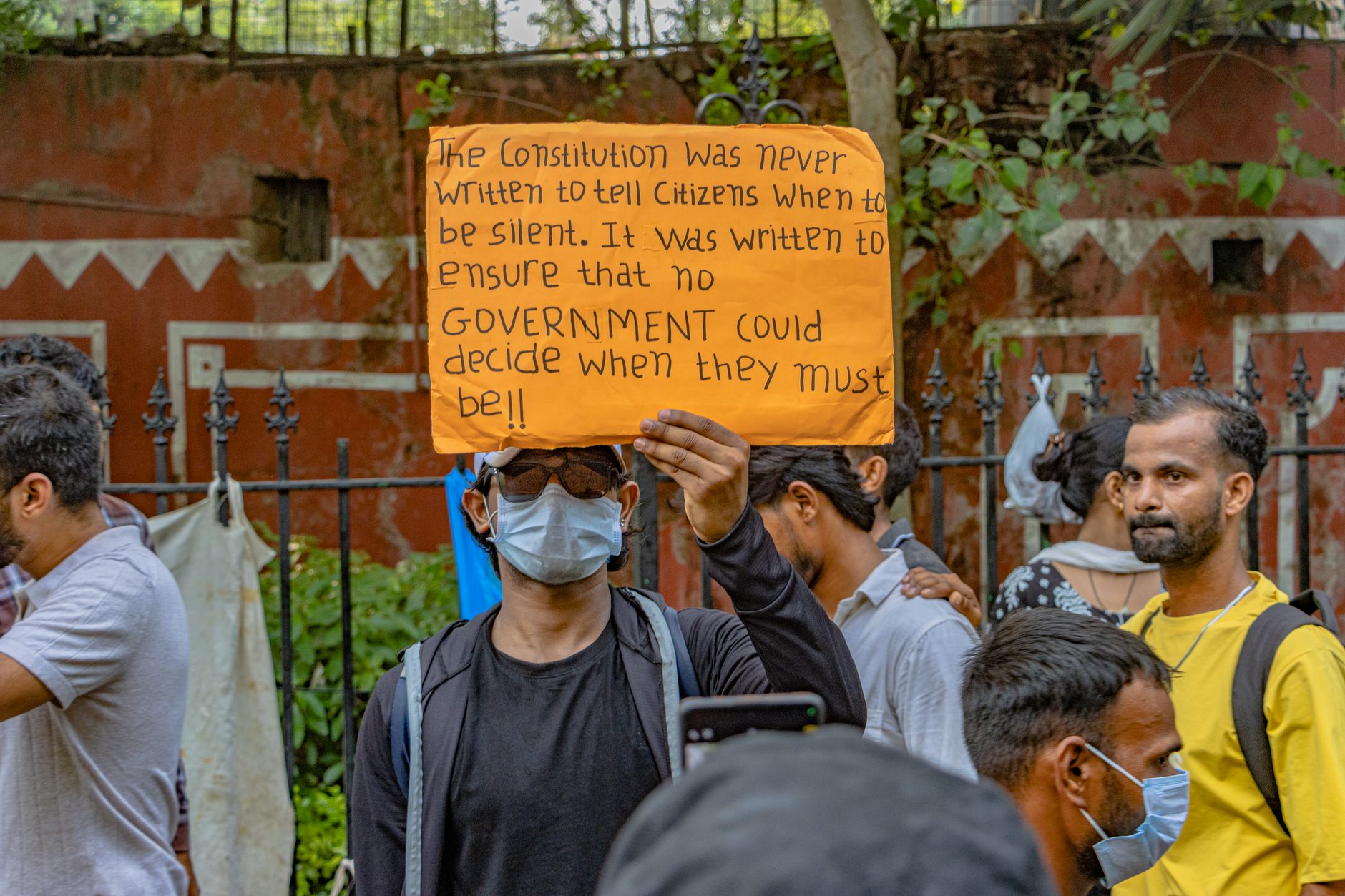
Constitutional Morality in India is a critical concept that examines the interplay between law and societal values. This article delves into its importance and potential impact.
Understanding Constitutional Morality
Constitutional morality in India plays a crucial role in shaping the nation’s democratic ethos and guiding the legal framework. It refers to the adherence to the principles enshrined in the Constitution, ensuring that both laws and societal norms reflect the values of justice, equality, and liberty.
The concept emphasizes the moral obligation of the state and its institutions to uphold the Constitution’s spirit, transcending mere legal compliance. This can be seen in various landmark judgments where the judiciary has interpreted laws in a manner that reinforces the fundamental rights of citizens, thereby promoting societal change.
However, the application of constitutional morality is often challenged by socio-political dynamics. Issues such as caste discrimination, gender inequality, and communal tensions highlight the gap between constitutional ideals and ground realities. The need for a transformative approach becomes evident, as constitutional morality can drive societal change by fostering a culture of inclusivity and respect for diversity.
As debates around constitutional morality intensify, it is essential to consider how legal reforms can support the broader social objectives, shaping a more equitable India. The discussions surrounding this concept are not just academic; they have profound implications for the future of Indian society.
The Role of Law in Society
The role of law in society is pivotal, serving as both a reflection and a shaper of social norms and values. In the context of India, the concept of constitutional morality emerges as a crucial framework for understanding how law can influence societal change. Law is not merely a set of rules; it encapsulates the principles of justice, equality, and liberty that are foundational to a democratic society.
Legal institutions have the power to challenge existing norms and promote progressive values. This dual function can significantly impact public perceptions and behaviors over time. For instance, landmark judgments in India have often aligned with the principles of constitutional morality, reinforcing rights and liberties that resonate with the populace.
Moreover, the effectiveness of law is contingent upon its acceptance and internalization by the citizens. When the law is seen as a vehicle for upholding constitutional values, it fosters a culture of respect for legal norms. This, in turn, can lead to a more just society. However, the challenge remains: how do we ensure that the law remains aligned with the evolving understanding of constitutional morality?
- Legal reforms must be rooted in constitutional values.
- Public engagement is essential for law to reflect societal needs.
Challenges to Constitutional Morality in India
Constitutional morality in India faces several challenges that threaten its application and effectiveness in contemporary society. These challenges can be broadly categorized into social, political, and judicial dimensions.
- Social Challenges: Deep-rooted social norms and prejudices often clash with the principles of constitutional morality. Issues such as caste discrimination, gender inequality, and religious intolerance hinder the realization of a just and equitable society.
- Political Challenges: Political parties frequently exploit constitutional provisions for partisan gains, undermining the spirit of constitutional morality. This can lead to the erosion of democratic values and an increase in authoritarian practices that contradict the Constitution’s foundational principles.
- Judicial Challenges: The judiciary, as the guardian of the Constitution, sometimes struggles with maintaining constitutional morality. Delays in justice, inconsistent rulings, and political pressures can compromise the judiciary’s ability to uphold constitutional values effectively.
These challenges underscore the need for a renewed commitment to constitutional morality in India. Addressing them requires a collective effort from society, political leaders, and the judiciary to foster an environment where the Constitution’s ideals are not just upheld but are deeply ingrained in the fabric of Indian society.
Case Studies of Legal Change
In recent years, several legal changes in India have sparked discussions about the implications of constitutional morality. These case studies illustrate how law can influence societal norms and values.
- The decriminalization of Section 377: The Supreme Court’s ruling in 2018 to decriminalize homosexuality was a landmark decision that exemplified constitutional morality. By acknowledging the rights of LGBTQ+ individuals, the court not only upheld individual dignity but also challenged deep-seated societal prejudices.
- The Right to Privacy judgment: In 2017, the Supreme Court recognized the right to privacy as a fundamental right under the Indian Constitution. This decision emphasized the importance of personal autonomy and individual freedoms, reinforcing constitutional morality in the face of governmental overreach.
- The Prevention of Cruelty to Animals Act: Amendments to this act reflect a growing recognition of animal rights and welfare, aligning legal frameworks with evolving social attitudes towards compassion and ethical treatment of animals.
These case studies demonstrate that while challenges to constitutional morality persist, legal changes can significantly reshape societal attitudes, fostering a more inclusive and equitable society.
Future of Constitutional Morality in India
The future of constitutional morality in India remains a topic of intense debate among legal scholars, policymakers, and citizens alike. As society evolves, so too does the interpretation and application of constitutional values. The concept of constitutional morality serves as a guiding principle, ensuring that the actions of individuals and institutions uphold the integrity of the Constitution.
One crucial aspect of the future of constitutional morality in India is the role of education in fostering a deeper understanding of constitutional rights and duties. By integrating civic education into school curricula, future generations may develop a stronger commitment to these principles.
Moreover, technology and social media are likely to play significant roles in shaping public discourse around constitutional morality. Activism and awareness campaigns can mobilize citizens to advocate for their rights and hold authorities accountable, reinforcing the need for a constitutional framework that reflects society’s evolving values.
However, challenges such as political polarization and social inequalities persist. To ensure that constitutional morality takes root, it is imperative that diverse voices are heard and included in the conversation. Ultimately, the commitment to constitutional morality in India must not only be preserved but actively cultivated for a just and equitable society.
Constitutional Morality in India serves as a guiding principle that upholds the values enshrined in the Constitution, ensuring justice and equality for all citizens. The ongoing debate about Constitutional Morality in India highlights the need for a balance between tradition and modern democratic ideals.
Photo by Shantum Singh on Pexels