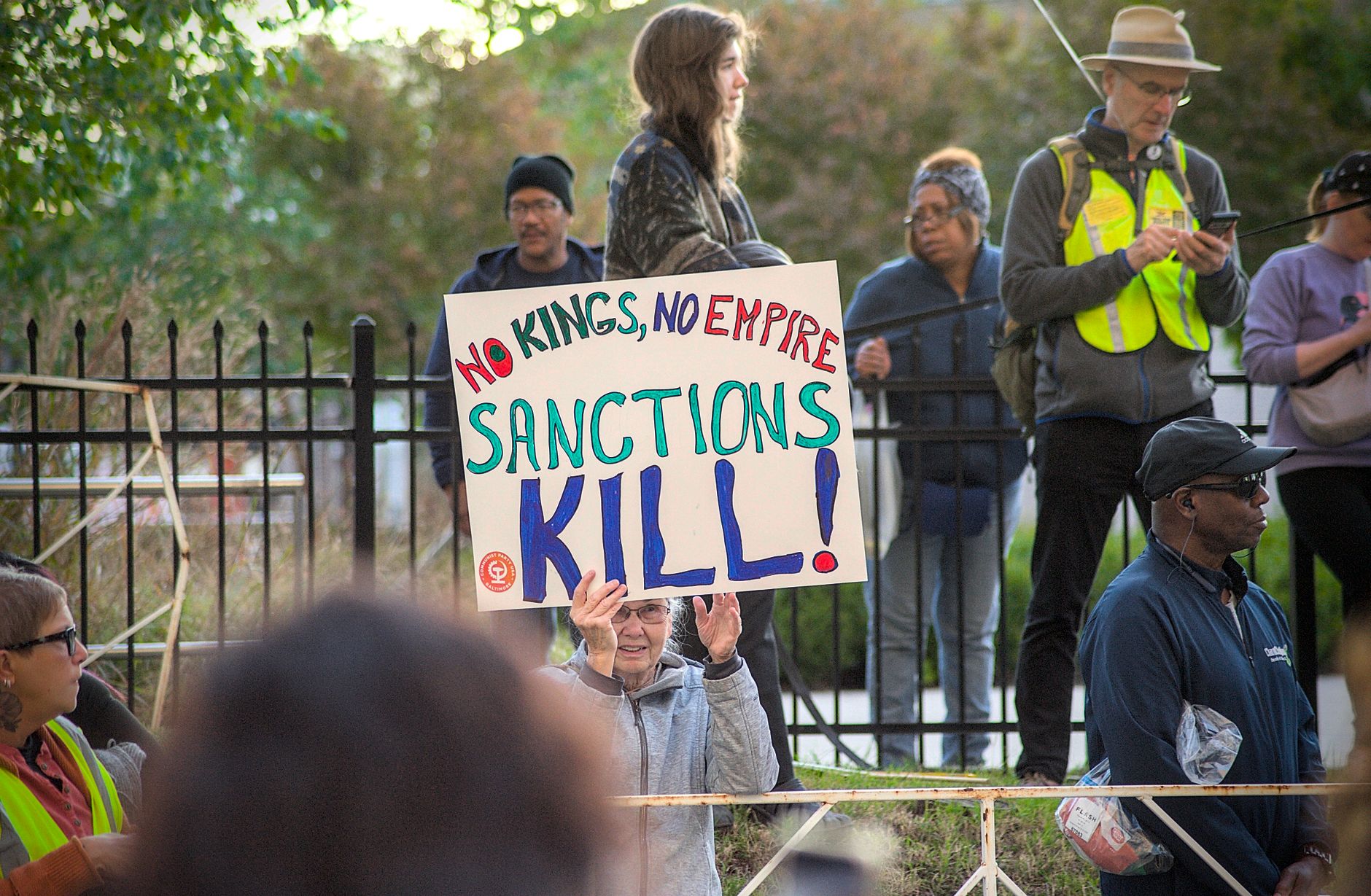
US Sanctions Act is the focus of India’s upcoming study, as announced by Piyush Goyal. This examination aims to understand the implications for trade and legal frameworks.
Overview of the US Sanctions Act
The US Sanctions Act has become a pivotal topic of discussion in international relations, particularly as countries navigate the complexities of economic diplomacy. This legislation aims to impose restrictions on nations that violate international norms or engage in activities deemed hostile to US interests.
India’s recent decision to study the US Sanctions Act reflects a proactive approach to understanding the implications of such measures on its economic landscape. Piyush Goyal, India’s Minister of Commerce and Industry, emphasized the importance of comprehending the nuances of the Act, stating that it could significantly influence bilateral trade relations.
Key aspects of the US Sanctions Act include:
- Economic sanctions targeting specific sectors or entities within a country.
- Consequences for nations that do not comply with US policies.
- Potential impacts on global supply chains and trade agreements.
As India embarks on this study, the focus will be on mitigating risks while maximizing opportunities in its trade relationships, ensuring a balanced strategy that aligns with its national interests.
Implications for India
The implications of the US Sanctions Act are significant for India, as the country seeks to navigate its economic and diplomatic relationships amidst evolving global dynamics. The act presents both challenges and opportunities that require careful consideration from Indian policymakers.
India’s decision to study the US Sanctions Act reflects a proactive approach to understanding the potential impacts on its trade and defense sectors. Key areas of concern include:
- Trade Relations: India’s export and import dynamics with the US could be affected, necessitating adjustments to commercial practices.
- Defense Cooperation: With ongoing military collaborations, India must evaluate how the sanctions might influence defense procurement and technology transfers.
- Geopolitical Strategy: Navigating relationships with other nations, especially those facing similar sanctions, is critical to maintaining strategic partnerships.
Moreover, India’s response to the US Sanctions Act will likely influence its stance in international forums, as it balances national interests with global diplomatic pressures. As the nation assesses these implications, it aims to ensure that its economic growth and security objectives remain intact.
Piyush Goyal’s Statements
Piyush Goyal, India’s Minister of Commerce and Industry, recently addressed the implications of the US Sanctions Act during a press conference. He emphasized the importance of understanding the nuances of the legislation and its potential impact on India’s trade dynamics.
Goyal stated that India will conduct a comprehensive study to analyze how the US Sanctions Act could affect various sectors, particularly those involving technology and defense. He highlighted the need for India to safeguard its interests while navigating the complexities introduced by the sanctions.
Furthermore, Goyal assured that the government is committed to maintaining its strategic partnerships while addressing the challenges posed by the Act. He mentioned the following key points:
- Collaboration with relevant stakeholders to gather insights.
- Assessment of the long-term effects on Indian exporters.
- Strategies to mitigate risks associated with the Act.
In conclusion, Goyal’s proactive approach reflects India’s commitment to adapting its policies in response to international regulations. The study aims to ensure that India remains resilient in the face of evolving global trade challenges.
Legal Framework Analysis
The legal framework surrounding the US Sanctions Act is complex and multifaceted, necessitating a thorough analysis for those affected, including India. The Act establishes a set of regulations that govern the imposition of sanctions on countries that engage in activities contrary to U.S. foreign policy interests.
Key elements of the legal framework include:
- Types of Sanctions: These can range from economic restrictions to trade barriers, impacting various sectors such as defense and technology.
- Implementation Mechanism: The U.S. Department of the Treasury plays a pivotal role in enforcing these sanctions, which can be influenced by geopolitical considerations.
- Exemptions and Waivers: Certain provisions allow for exceptions, which may be critical for strategic partnerships, particularly for nations like India.
- Compliance Requirements: Entities must navigate compliance to avoid penalties, making legal guidance essential for businesses engaged in international trade.
As India embarks on studying the US Sanctions Act, understanding these legal nuances will be vital in formulating appropriate responses and strategies to mitigate potential risks.
Next Steps for India
As India moves forward with its examination of the US Sanctions Act, several key next steps have been outlined by policymakers and analysts. The government aims to develop a comprehensive understanding of the act’s stipulations and potential repercussions on India’s trade and diplomatic relations.
To facilitate this, the following actions are proposed:
- Conduct detailed assessments: Engage with legal experts to analyze the specific provisions of the US Sanctions Act and their applicability to India.
- Hold stakeholder consultations: Involve industry leaders and trade associations to gather insights on how these sanctions might affect various sectors.
- Strengthen diplomatic channels: Foster discussions with US counterparts to clarify any ambiguities surrounding the sanctions and explore avenues for cooperation.
- Formulate policy recommendations: Based on the findings, propose measures that could mitigate potential adverse impacts on Indian businesses and foreign relations.
By taking these steps, India aims to ensure that it navigates the complexities of the US Sanctions Act effectively, safeguarding its economic interests while maintaining robust international relations.
Photo by Germar Derron on Pexels
Where this came from
The Economic Times · US sanctions against Iran
Related stories
Nasdaq price rule: The Smart Reason Behind Immutep’s Share Swap · India Solid Waste Rules: The Clear Benefits You Need to Know · Trump Russia Iran Law: The Clear Impact on India