India solid waste rules are changing the way we manage waste in our communities. These new regulations aim to improve environmental health and promote sustainable practices across the nation.
Overview of India’s New Solid Waste Rules
India’s new solid waste rules aim to revolutionize waste management across the nation, promoting sustainability and environmental health. The India solid waste rules focus on a systematic approach to waste segregation, collection, and disposal, thereby tackling one of the country’s most pressing issues.
Implementing a four-bucket system, these rules encourage citizens and businesses to separate waste at the source. This segregation is critical for ensuring that recyclable materials are diverted from landfills, ultimately reducing pollution and conserving natural resources.
Key benefits of the new rules include:
- Improved Waste Management: By mandating the separation of waste, municipalities can enhance the efficiency of waste processing.
- Increased Recycling Rates: With better segregation, more materials can be recycled, leading to less waste in landfills.
- Public Awareness: These rules foster a culture of responsibility and awareness regarding waste management among citizens.
- Economic Opportunities: The emphasis on recycling and waste processing opens avenues for new businesses and job creation in the green economy.
Overall, India’s solid waste rules signify a major step towards sustainable living and environmental stewardship.
Impact on Local Communities
The implementation of India’s solid waste rules has a significant impact on local communities, fostering a cleaner and more sustainable environment. By mandating the segregation of waste at the source, these regulations encourage residents to participate actively in waste management practices.
One of the key benefits is the reduction of landfill waste, which not only minimizes environmental pollution but also decreases the health risks associated with waste disposal. Localities are witnessing improved sanitation and reduced instances of vector-borne diseases.
Moreover, the new rules promote recycling and composting, which can lead to the creation of local jobs. Communities are encouraged to set up waste processing units, providing employment opportunities for many residents. This shift not only strengthens the local economy but also empowers individuals to take ownership of their waste.
In many areas, residents have formed community groups to educate one another about the importance of waste segregation and management. These initiatives foster collaboration and build social cohesion among neighbors.
Ultimately, the enforcement of India’s solid waste rules stands to benefit local communities by enhancing their living conditions, encouraging social engagement, and promoting sustainable practices.
Benefits of Compliance
Compliance with India solid waste rules offers numerous benefits that extend beyond environmental protection. By adhering to these regulations, communities can experience significant improvements in public health and urban living conditions.
One of the primary advantages is the reduction of waste-related diseases. Effective waste management minimizes the risk of diseases caused by unsanitary conditions, such as vector-borne illnesses. Improved sanitation leads to healthier neighborhoods and reduces healthcare costs.
In addition, proper waste segregation and management enhance recycling efforts. This creates a circular economy that conserves resources and minimizes landfill use. Communities that embrace these practices can see an increase in job opportunities within the recycling sector, contributing to local economic growth.
The implementation of these rules also fosters community engagement. Residents become more involved in sustainable practices, promoting environmental awareness and responsibility. Educational initiatives related to waste segregation can empower citizens, leading to a collective effort toward cleaner surroundings.
Lastly, compliance with India solid waste rules can attract investments. A cleaner, well-managed environment is appealing to businesses, potentially leading to increased economic activity and development in the area.
Challenges in Implementation
The implementation of India solid waste rules faces several challenges that could hinder their effectiveness. First, there is a significant lack of awareness among the general public regarding the new regulations. Many citizens are unaware of the proper segregation of waste and the importance of compliance, which can lead to non-adherence to the rules.
Additionally, local municipalities often lack the resources necessary to enforce these new regulations. With insufficient infrastructure and funding, many areas struggle to provide adequate waste management services to their communities. This deficiency can result in improper waste disposal and increased environmental pollution.
Another challenge is the coordination between various stakeholders, including government bodies, private waste management companies, and local communities. Effective communication and collaboration are crucial for the successful implementation of these rules, yet many stakeholders may not be aligned in their goals or approaches.
Moreover, there is often resistance from industries that are accustomed to traditional waste disposal methods. Changing established practices can be difficult, requiring time and effort to shift mindsets towards more sustainable options.
Despite these challenges, addressing them is essential for the successful execution of India’s solid waste rules and the overall improvement of waste management practices across the nation.
Future of Waste Management in India
As India moves forward with its solid waste rules, the future of waste management appears increasingly promising. The emphasis on sustainable practices and community involvement is set to reshape how waste is handled across the nation.
One of the key elements of the new regulations is the introduction of a four-bucket system for waste segregation, which encourages citizens to separate waste at the source. This initiative not only facilitates recycling but also reduces the burden on landfills, contributing to a cleaner environment.
Moreover, the government plans to invest in advanced waste processing technologies. This investment will create job opportunities and stimulate local economies, providing a dual benefit of environmental sustainability and economic growth.
In addition, awareness campaigns are expected to play a crucial role in educating the public about the importance of waste segregation and management. Such initiatives can foster a sense of responsibility among citizens, promoting a culture of cleanliness.
Ultimately, the India solid waste rules herald a new era in waste management, where both the government and the community work hand in hand towards a more sustainable future.
Public Awareness and Education
Public awareness and education play a vital role in the successful implementation of India’s solid waste rules. As these new regulations aim to transform waste management practices, it is essential for citizens to understand their responsibilities and the benefits of compliance.
One of the key objectives of the new rules is to promote sustainable waste disposal and segregation at the source. To achieve this, comprehensive educational campaigns are necessary. Local governments, NGOs, and educational institutions can collaborate to create awareness programs that focus on:
- The importance of waste segregation: Teaching communities how to separate biodegradable, recyclable, and non-recyclable waste can significantly reduce landfill burdens.
- Resource recovery: Informing citizens about how their waste can be transformed into valuable resources, such as compost and recycled materials.
- Community involvement: Encouraging participation in local clean-up drives and workshops to foster a sense of responsibility towards maintaining a clean environment.
Through effective public awareness initiatives, residents are more likely to engage with the provisions of India’s solid waste rules, resulting in a cleaner and healthier environment for all. Ultimately, informed citizens can drive the change needed for sustainable waste management practices across the country.
The implementation of India solid waste rules has significantly improved waste management practices across the country. By promoting recycling and reducing landfill waste, India solid waste rules contribute to a cleaner and healthier environment for all citizens.
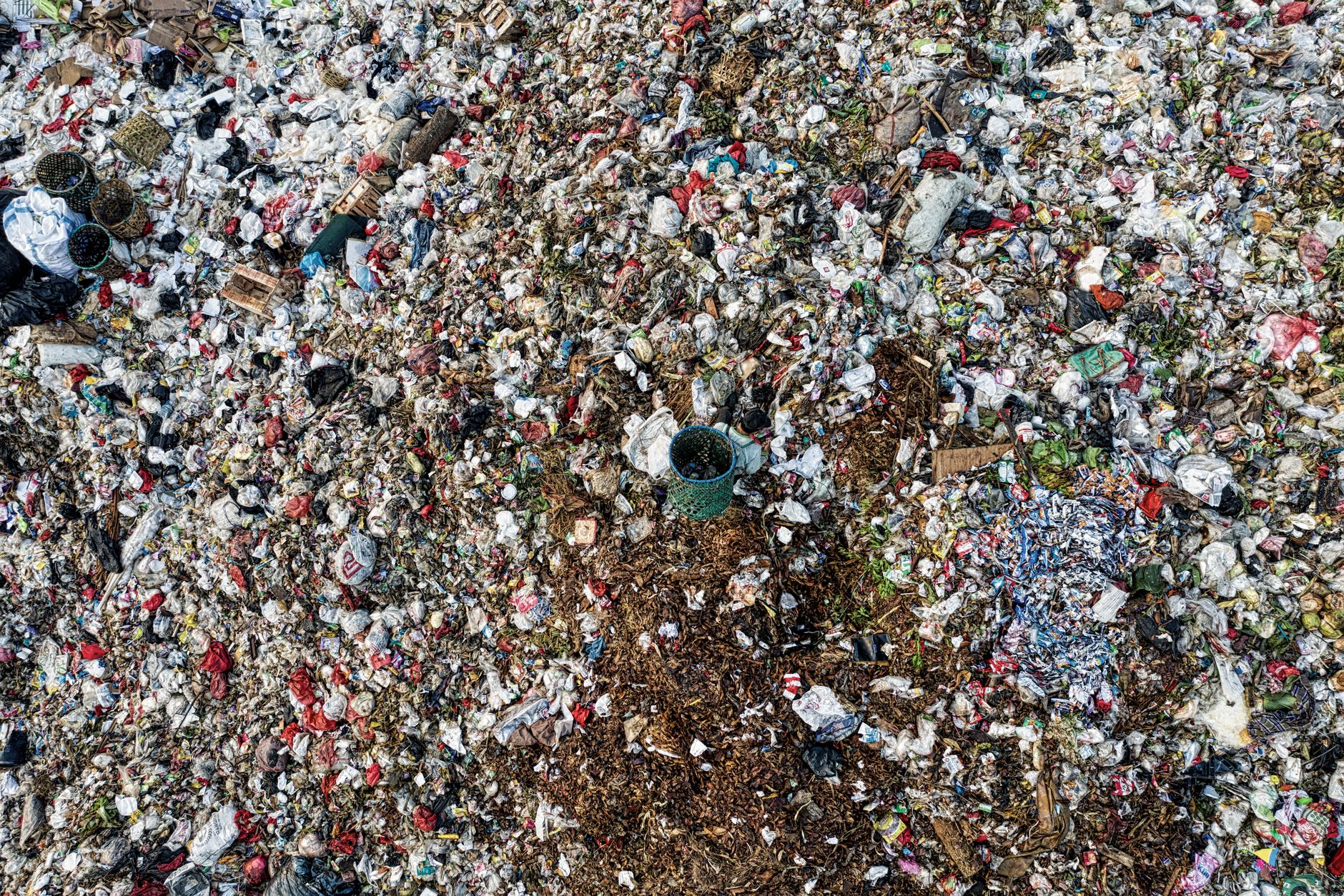
Photo by Tom Fisk on Pexels