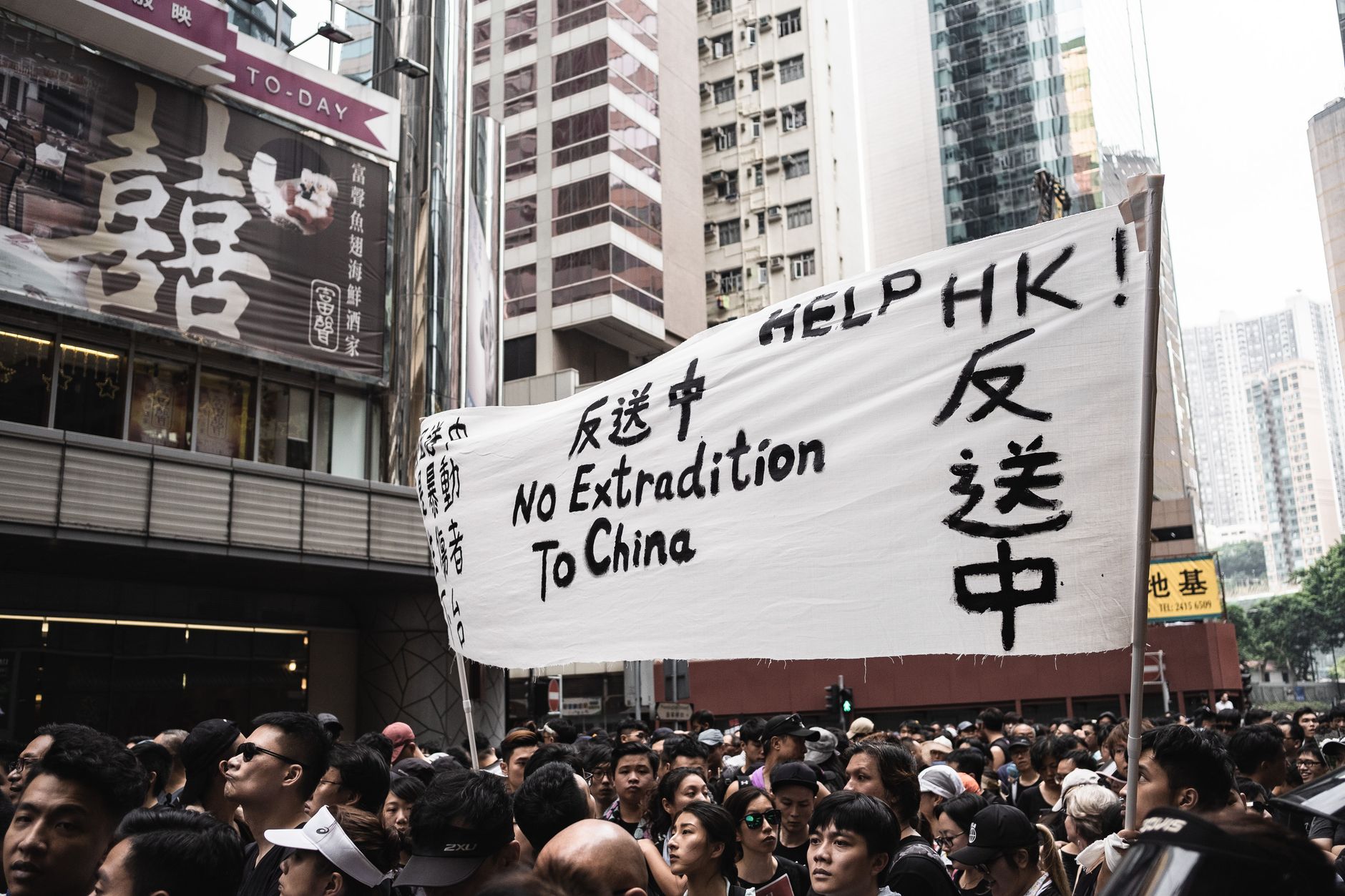
extradite Hasina has become a significant topic in legal discussions following a recent request sent to India by Bangladesh’s law minister. This development raises important questions about international law and diplomatic relations.
Understanding the Extradition Process
The extradition process is a legal mechanism through which one country can request the surrender of an individual from another country to face criminal charges or serve a sentence. In the case of the request to extradite Hasina, understanding the steps involved is crucial for both nations.
- Initiation of Request: The process typically begins when a country submits a formal request for extradition, which includes details of the charges and evidence against the individual.
- Legal Review: The requested country conducts a legal review to ensure that the extradition request complies with its laws and any existing treaties.
- Extradition Hearing: A court hearing may be held to assess the validity of the request, allowing the individual in question to present their case.
- Decision: Following the hearing, the court will make a ruling on whether to grant or deny the extradition request.
- Appeals Process: If the request is denied, there may be an opportunity for the requesting country to appeal the decision.
Ultimately, the extradition process is governed by international law and can be complex, requiring careful navigation of legal systems in both countries involved.
Implications of Extraditing Hasina
The implications of extraditing Hasina are profound and multifaceted, affecting both national and international law. As the request to extradite Hasina has been sent to India, several key aspects must be considered.
- Legal Precedent: Extraditing a sitting Prime Minister sets a significant legal precedent. This case could influence future extradition requests involving political figures, raising questions about the limits of legal immunity.
- International Relations: The decision to extradite Hasina could strain diplomatic ties between Bangladesh and India. How India responds may affect regional stability and cooperation on various fronts.
- Public Reaction: The potential extradition of Hasina is likely to evoke strong reactions from the public in both nations. Protests and political mobilization may occur, reflecting differing opinions on her leadership and the validity of the extradition request.
- Legal Framework: The legal framework surrounding extradition will come under scrutiny. Both countries must navigate complex laws to determine the admissibility and legitimacy of the request to extradite Hasina.
Ultimately, the outcome of this situation could reshape the landscape of political accountability and legal processes in South Asia.
Bangladesh’s Legal Framework
Bangladesh’s legal framework plays a crucial role in the ongoing discussions regarding the potential to extradite Hasina. The country’s laws outline specific protocols that govern the extradition of individuals, particularly those accused of serious crimes. Understanding these laws is essential for both the Bangladeshi and Indian legal systems as they navigate this complex matter.
The primary legal instruments relevant to extradition in Bangladesh include:
- The Extradition Act of 1974: This act provides the legal basis for extradition requests and outlines the procedures to be followed.
- Bilateral Treaties: Existing agreements between Bangladesh and other nations, including India, can significantly impact the extradition process.
- Judicial Oversight: Any extradition request involves scrutiny by the courts, ensuring that the rights of the individual are safeguarded.
In addition, the political climate and public sentiment surrounding the case of Hasina may further influence the legal proceedings. As these factors intertwine, clarity on the legal framework will be essential for a smooth and transparent extradition process.
India’s Role in the Extradition
India’s involvement in the extradition process of Sheikh Hasina, the Prime Minister of Bangladesh, is crucial for the legal proceedings that could follow. With Bangladesh’s law minister formally requesting to extradite Hasina, India must navigate a complex web of diplomatic and legal considerations.
The Indian government has a history of cooperating with neighboring countries on extradition matters, but several factors will influence their decision regarding Hasina’s case:
- Legal Framework: India must assess its own legal obligations under bilateral treaties and international law, ensuring any action aligns with established protocols.
- Political Ramifications: The extradition of a sitting prime minister could have significant political implications, affecting India-Bangladesh relations and regional stability.
- Public Opinion: The sentiments of the Indian public and political parties may also play a role in shaping the government’s stance on this request.
As India weighs its options, the potential extradition of Hasina serves as a pivotal point in the ongoing negotiations between the two nations, highlighting the intricate balance between legal obligations and political realities.
Recent Developments in the Case
Recent developments in the case regarding the request to extradite Hasina have garnered significant attention from both national and international media. On October 15, 2023, Bangladesh’s law minister formally submitted a request for extradition to India, citing legal grounds that support the move. This action follows a series of high-level discussions between the two countries aimed at enhancing judicial cooperation.
Several key factors have emerged from these discussions:
- Legal Framework: The legal basis for the extradition has been outlined, emphasizing existing treaties between Bangladesh and India that facilitate such actions.
- Political Implications: The move has sparked debates among political analysts regarding the potential repercussions on Bangladesh’s domestic politics.
- Public Reaction: The public response has been mixed, with some supporting the extradition as a step toward justice, while others express concerns about its impact on diplomatic relations.
- International Observers: Analysts note that international observers are closely monitoring the situation, which may influence future extradition requests in the region.
As the situation unfolds, further clarity on the legal proceedings surrounding the extradition request is anticipated.
To ensure a smooth legal process, it is essential to clearly outline the steps required to extradite Hasina. Legal experts suggest that establishing a solid case is crucial before attempting to extradite Hasina from her current location.
Photo by Airam Dato-on on Pexels
References
Related stories
Hosting In-Laws: The Worst Emotional Toll on You · VP’s credentials controversy: The real implications for Indonesia · JSSC CGL appointments: Right decision to quash order