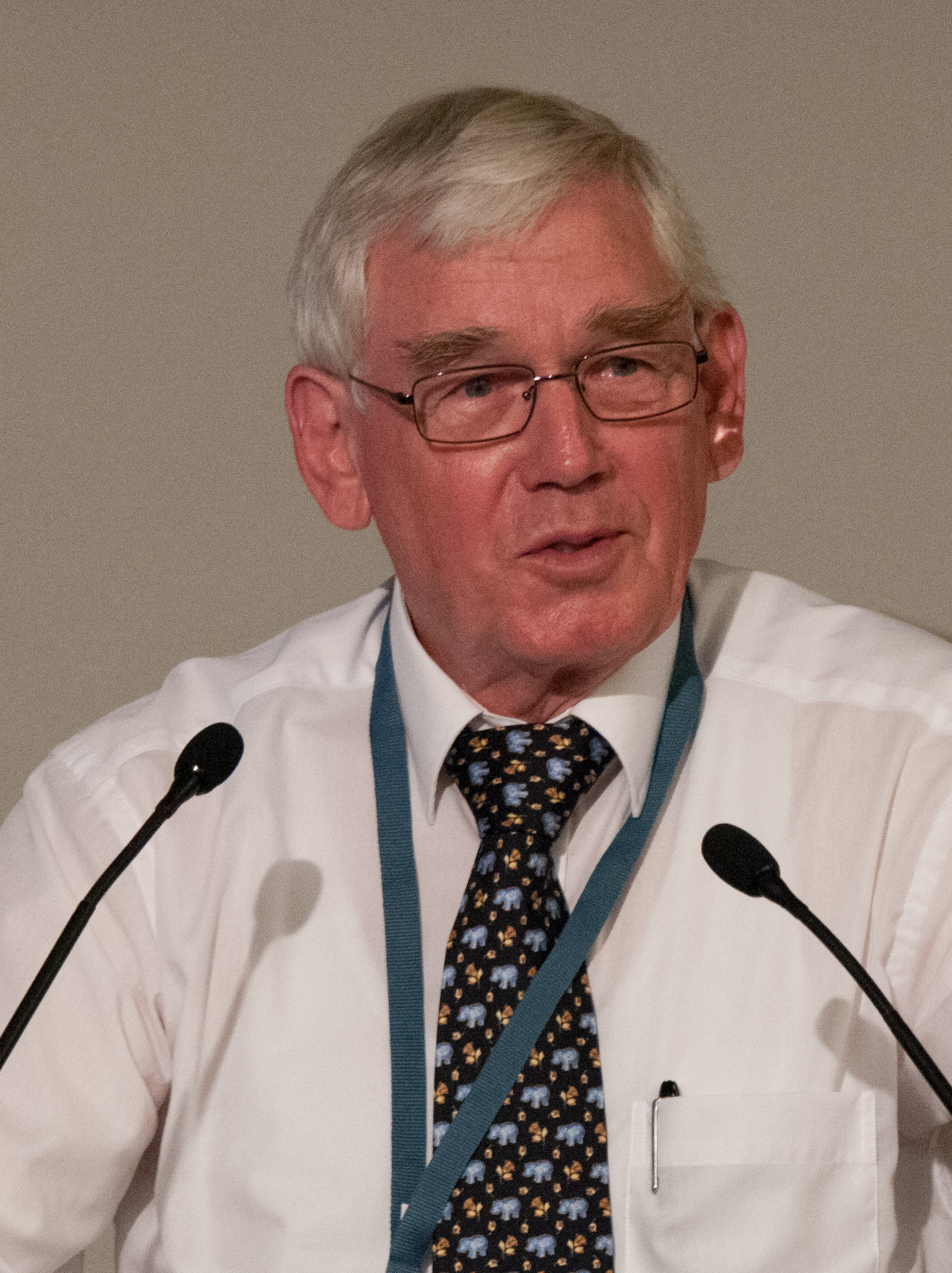
The first Muslim senator, Abdul El-Sayed, has made history in the United States, and his in-laws in India are delighted by this remarkable achievement.
Who is Abdul El-Sayed?
Abdul El-Sayed is making history as the first Muslim senator in the United States, a significant milestone for representation in American politics. Born in 1984 in Michigan, he has gained prominence as a physician, public health expert, and political leader. El-Sayed earned his medical degree from the University of Michigan and later pursued a doctorate in public health at Columbia University.
Before entering the political arena, El-Sayed served as the executive director of the Detroit Health Department, where he focused on improving health outcomes for underserved communities. His leadership during the COVID-19 pandemic demonstrated his commitment to public health and community service.
El-Sayed’s commitment to social justice, economic equality, and healthcare reform has resonated with many voters. His recent election as the first Muslim senator has not only delighted his supporters but also brought joy to his in-laws in India, who are proud of his achievements. As he embarks on this new journey, many are eager to see how he will shape policies and advocate for diverse communities across the nation.
The Significance of His Election
The election of Abdul El-Sayed as the first Muslim senator marks a historic moment in American politics. His victory not only represents a significant milestone for the Muslim community but also highlights the growing diversity within the political landscape of the United States.
El-Sayed’s election is significant for several reasons:
- Representation: His presence in the Senate provides a voice for Muslims and other minority groups who have often been underrepresented in government.
- Inspiration: El-Sayed’s journey serves as an inspiration for young politicians and activists, demonstrating that leadership is achievable regardless of one’s background.
- Policy Change: As a senator, he has the potential to influence policies that affect marginalized communities, advocating for equality and justice.
- Breaking Barriers: His election challenges stereotypes and preconceived notions about Muslims in America, promoting a more inclusive understanding of the diverse fabric of the nation.
Overall, Abdul El-Sayed’s historic election as the first Muslim senator signifies progress towards a more representative democracy.
Reactions from His In-Laws in India
The recent election of Abdul El-Sayed as the first Muslim senator has sparked excitement not only in the United States but also among his family members in India. His in-laws, residing in a small town in Uttar Pradesh, expressed their pride and joy over his historic achievement.
According to his father-in-law, Mohammad Khan, the news has brought immense happiness to their family. “We never imagined that our son-in-law would reach such heights. His dedication and hard work have finally paid off,” he said.
His mother-in-law, Sarita Khan, added, “This is not just a win for Abdul, but a win for the entire Muslim community. We believe he will be a voice for many who feel unheard.”
Family members shared that the community is planning a celebration, showcasing traditional Indian dishes and decorations to honor El-Sayed’s groundbreaking role as the first Muslim senator in the U.S. They are hopeful that his leadership will inspire others to pursue their dreams, regardless of their background.
Impact on Muslim Representation
The election of Abdul El-Sayed as the first Muslim senator marks a significant milestone in American politics, highlighting the growing diversity within the legislative body. His victory resonates deeply within the Muslim community, symbolizing not only representation but also the potential for a shift in political dynamics.
The implications of El-Sayed’s election extend beyond symbolism; they foster a sense of inclusion and empowerment among Muslims in the United States. Many young Muslims see him as a role model, inspiring a new generation to engage in politics and public service.
El-Sayed’s presence in the Senate could lead to increased advocacy for issues pertinent to Muslim Americans, such as civil rights, immigration reform, and social justice. His platform emphasizes unity and collaboration, which may encourage a broader dialogue about the challenges facing minority communities.
As discussions about representation evolve, El-Sayed’s leadership is expected to pave the way for future Muslim candidates, further shaping the landscape of American politics.
Historical Context of Muslim Politicians
The election of Abdul El-Sayed as the first Muslim senator marks a significant milestone in American politics, reflecting a broader historical context of Muslim politicians in the United States. Over the past few decades, the visibility and representation of Muslims in government have gradually increased.
In the early 2000s, several Muslim Americans began to make their mark, with individuals such as Keith Ellison and André Carson serving in the House of Representatives. Their presence paved the way for others to follow, demonstrating that Muslim voices can resonate within the political landscape.
Despite facing challenges such as discrimination and stereotypes, these leaders have worked tirelessly to advocate for their communities and promote inclusivity. The election of the first Muslim senator not only honors their efforts but also inspires a new generation of leaders.
As more diverse candidates emerge, the hope is that the political arena will continue to evolve, reflecting the rich tapestry of American society and providing representation for all.
Future Prospects for El-Sayed
As the first Muslim senator, Abdul El-Sayed’s future prospects appear promising, with many anticipating his impact on American politics. His leadership style, characterized by inclusivity and progressive policies, has resonated with a diverse electorate. Supporters believe that El-Sayed can bridge gaps between communities, fostering dialogue and understanding.
El-Sayed’s focus on key issues such as healthcare reform, education, and climate change could position him as a leading voice in the Senate. His ability to engage with constituents and prioritize their concerns may enhance his popularity and influence.
However, challenges remain. The political landscape is often polarized, and El-Sayed must navigate these waters carefully to maintain his support base. Additionally, he may face scrutiny for being the first Muslim senator, with expectations high for his representation.
Ultimately, the trajectory of El-Sayed’s career will depend on his ability to deliver results and address the needs of his constituents while championing the values of diversity and representation in U.S. governance.
Community Support and Engagement
Abdul El-Sayed’s rise to become the first Muslim senator has been marked by significant community support and engagement. This backing is evident in various grassroots initiatives that he has championed throughout his political career.
Supporters highlight several key aspects of his engagement with the community:
- Listening Tours: El-Sayed has conducted numerous listening tours, allowing constituents to voice their concerns and priorities directly.
- Community Forums: He regularly hosts forums to discuss pressing issues such as healthcare, education, and social justice, fostering open dialogue.
- Volunteer Initiatives: His campaigns have mobilized volunteers from diverse backgrounds, emphasizing inclusivity and collaboration.
- Advocacy for Minority Rights: El-Sayed has been a vocal advocate for minority rights, ensuring that the voices of Muslim and other underrepresented communities are heard in the political arena.
Through these efforts, El-Sayed has not only solidified his position as the first Muslim senator but has also inspired a new generation of leaders committed to community engagement and representation.
By US Embassy New Zealand via Openverse
References
H-1B visa impact: The Real Consequences of 2026 Elections · IGST refund Karnataka HC: Is it the Right Move? · Common Law Marriage: The Right Changes for Couples