OBC quota in Madhya Pradesh has been declared unconstitutional by the high court, which criticized the law for being passed in undue haste. This ruling has significant implications for the state’s reservation policies.
Background on OBC quota
The OBC quota in Madhya Pradesh has been a contentious issue, drawing significant attention from various stakeholders. The recent decision by the High Court to nullify the 27% OBC quota has raised questions about the legislative process and the implications for social justice in the state.
Historically, the OBC quota was introduced to ensure that Other Backward Classes receive adequate representation in education and employment. This initiative aimed to bridge the gap between different social strata and promote equality.
However, the court’s ruling declared the quota unconstitutional, citing that the law was passed in “undue haste.” This has sparked widespread debates about the fairness of the legal and political frameworks governing such policies. Critics argue that the decision undermines the rights of OBC communities, who have long struggled for recognition and support.
Supporters of the OBC quota in Madhya Pradesh believe that it is essential for empowering marginalized sections of society. They contend that the benefits of affirmative action are crucial for enhancing educational and professional opportunities for OBC individuals.
As the state grapples with this legal setback, many are calling for a more thoughtful approach to implementing OBC policies that respect both the law and the needs of the communities involved.
Court’s ruling on Madhya Pradesh
The recent ruling by the High Court regarding the OBC quota in Madhya Pradesh has stirred significant debate across the political landscape. The court declared the 27% OBC quota unconstitutional, citing that the law was enacted in “undue haste.” This decision has wide-ranging implications for various sectors that rely on this quota for representation and opportunities.
In its judgment, the court emphasized that the legislative process surrounding the OBC quota in Madhya Pradesh lacked the necessary scrutiny and deliberation. The bench pointed out that the government did not adequately assess the socio-economic conditions of Other Backward Classes before implementing the quota. This oversight raises concerns about the fairness and effectiveness of such a policy.
Reactions from political leaders have been mixed. Some have welcomed the court’s decision, arguing that it upholds the integrity of the Constitution, while others have criticized it as a setback for social justice. The ruling is expected to trigger discussions on how to balance the need for reservations with constitutional mandates.
As the state government contemplates its next steps, the future of the OBC quota in Madhya Pradesh remains uncertain. Stakeholders are calling for a careful reassessment of the quota system to ensure that it aligns with constitutional principles and effectively serves the intended communities.
Implications for OBC communities
The recent ruling by the High Court regarding the OBC quota in Madhya Pradesh has raised significant concerns among various OBC communities. The decision to declare the 27% reservation unconstitutional has far-reaching implications that could affect the socio-economic status of these communities.
Many OBC leaders have expressed their disappointment, emphasizing that this ruling undermines years of efforts to secure equitable representation and opportunities for their members. The court’s assertion that the law was passed in “undue haste” suggests a lack of thorough consideration of the needs and rights of OBC individuals.
Some potential implications include:
- Reduced Access to Education: The scrapping of the OBC quota may lead to fewer opportunities for OBC students in educational institutions, affecting their academic and career prospects.
- Employment Challenges: With the removal of the quota, OBC candidates may face tougher competition in government and public sector jobs, further marginalizing their representation.
- Social Discontent: The decision could lead to unrest among OBC communities, who may feel that their voices have been ignored in the political process.
Overall, the implications of the court’s decision on the OBC quota in Madhya Pradesh could hinder progress toward social equity and justice for these communities.
Government response to the ruling
The recent ruling by the High Court regarding the OBC quota in Madhya Pradesh has provoked a strong response from the state government. Officials have expressed their disappointment over the court’s decision, asserting that the 27% reservation was essential for the upliftment of Other Backward Classes in the region.
In a statement, a government spokesperson emphasized the importance of the OBC quota in Madhya Pradesh, saying, “This quota was not just a policy; it was a commitment to ensuring social justice and equality.” They argued that the law was established after extensive consultations and was aimed at addressing long-standing disparities faced by OBC communities.
The government is reportedly reviewing the court’s judgment and considering possible legal avenues to challenge the decision. The spokesperson added, “We believe that the ruling undermines the efforts made to uplift marginalized sections of society.”
Furthermore, the state administration plans to hold discussions with community leaders to gauge public sentiment and gather support for reinstating the OBC quota in Madhya Pradesh. As the situation evolves, many are watching closely to see how the government will navigate this complex legal and social landscape.
Public reaction to the decision
Following the recent court ruling that declared the 27% OBC quota in Madhya Pradesh unconstitutional, public reaction has been swift and passionate. Many community leaders and members of the OBC community expressed their outrage, claiming that the decision undermines years of progress towards social equity.
Protests have erupted in various parts of the state, with demonstrators demanding that the government take immediate action to restore the OBC quota. Activists argue that the court’s judgment, which stated the law was passed in “undue haste,” disregards the needs of marginalized groups who rely on such reservations for educational and employment opportunities.
Public sentiment is largely supportive of the OBC quota, with many believing that it is essential for leveling the playing field in a competitive job market. A survey conducted by local organizations revealed that:
- 75% of respondents support the OBC quota as a necessary measure for social justice.
- 68% believe that the ruling will exacerbate existing inequalities.
- 80% feel that the government should appeal the decision.
The controversy surrounding the OBC quota in Madhya Pradesh highlights the ongoing struggle for representation and equality among historically marginalized communities in the state.
Future of reservation policies in India
The recent court ruling regarding the OBC quota in Madhya Pradesh has raised significant concerns about the future of reservation policies in India. As states grapple with the complexities of equitable representation, this decision could set a precedent that influences similar policies across the nation.
Several experts believe that the judgment may lead to a reevaluation of how reservations are implemented, especially for Other Backward Classes (OBC). The legal landscape for reservation is already fraught with challenges, and this ruling adds to the uncertainty.
Key considerations for the future include:
- Legal Framework: States may need to reassess their legal justifications for implementing reservation policies.
- Social Impact: The impact on marginalized communities could be profound, necessitating careful analysis of social dynamics.
- Political Will: Political parties will have to navigate the complexities of public sentiment and the implications of such rulings on their electoral prospects.
- Policy Formulation: Future policies may require more rigorous data and research to support claims of social backwardness.
The court’s decision has triggered a broader discussion about the balance between justice for the underprivileged and constitutional mandates, making the future of reservation policies a topic of intense scrutiny and debate.
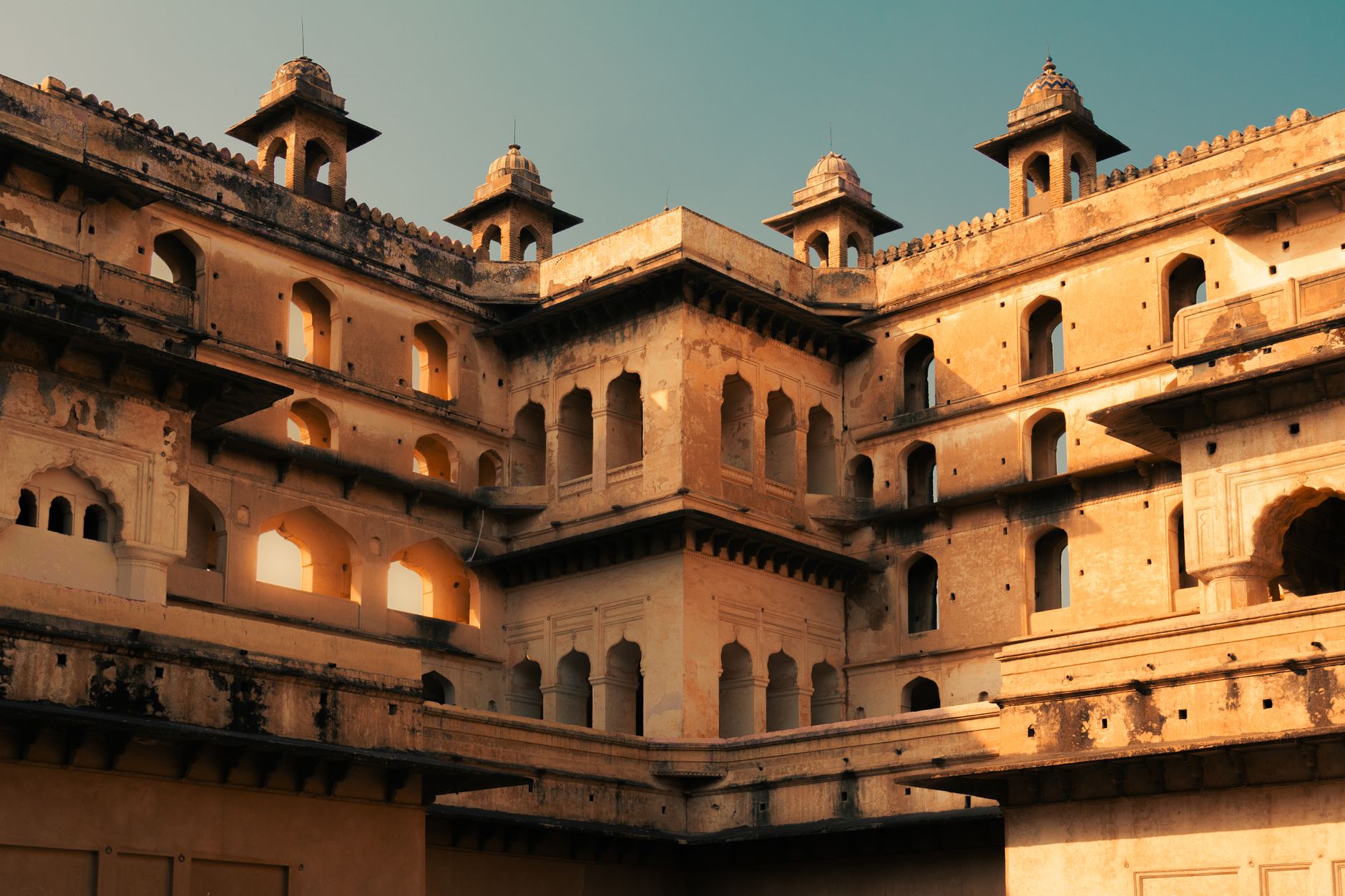
Photo by Nikhil Kumar Pal on Pexels