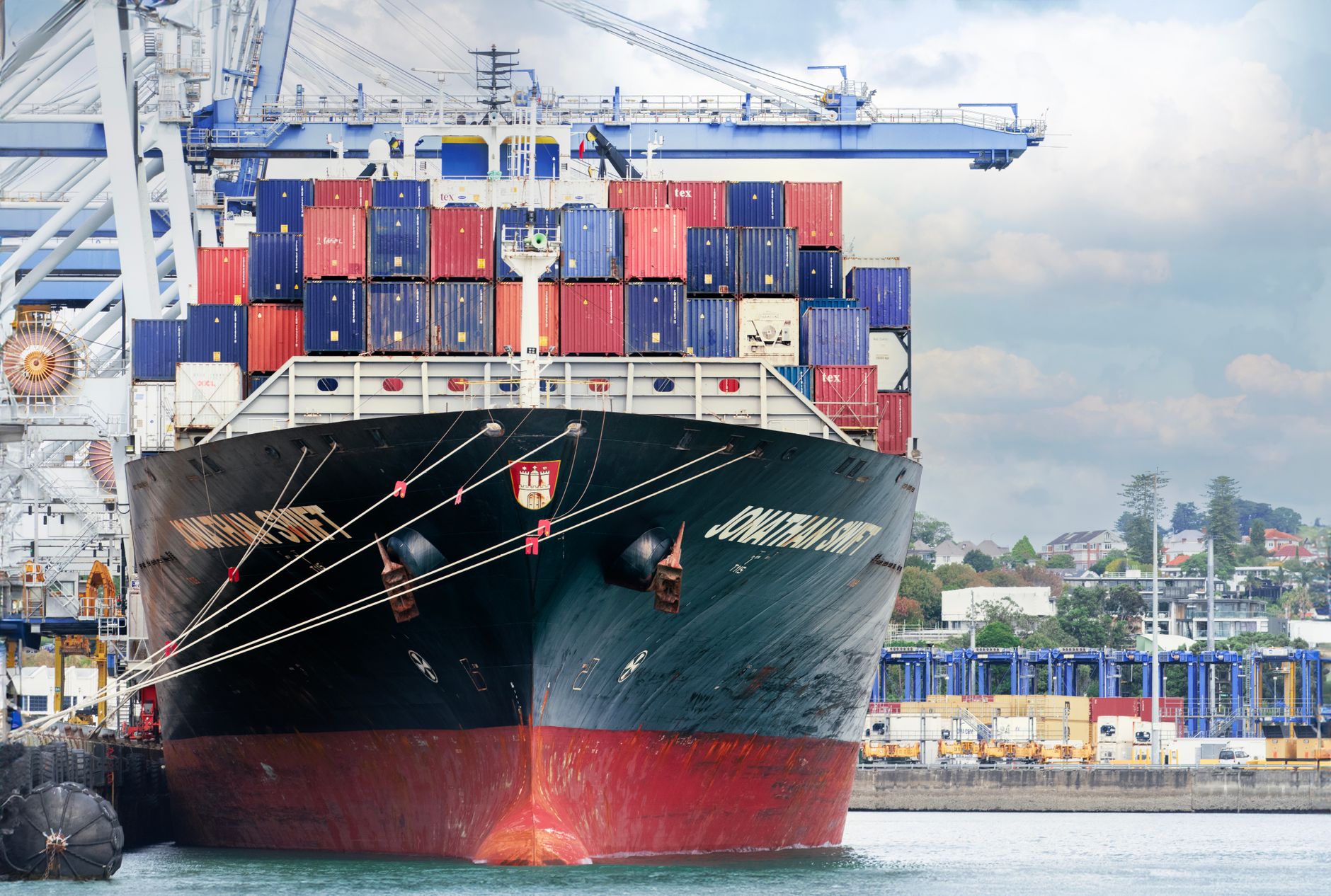
India New Zealand Free Trade Agreement is now officially in effect as of October 20, marking a significant milestone in trade relations between the two countries.
Overview of the Free Trade Agreement
The India New Zealand Free Trade Agreement (FTA) represents a significant milestone in the economic relations between the two nations. Effective from October 20, this agreement aims to enhance trade and investment opportunities, fostering closer ties between India and New Zealand.
Under the terms of the FTA, both countries are set to reduce tariffs on a wide range of goods, making it easier and more cost-effective for businesses to trade. Key sectors that will benefit include:
- Agriculture: India is expected to gain access to New Zealand’s agricultural products, while New Zealand will benefit from India’s diverse agricultural exports.
- Technology: The FTA encourages collaboration in the technology sector, paving the way for innovation and shared expertise.
- Services: Enhanced movement of professionals will allow skilled workers to contribute to both economies.
Furthermore, the agreement emphasizes sustainable development and environmental protection, ensuring that trade growth aligns with long-term ecological goals. With both nations recognizing the importance of economic cooperation, the India New Zealand Free Trade Agreement is poised to drive growth, create jobs, and strengthen bilateral relations.
As this FTA takes effect, businesses and consumers alike are eager to explore the new opportunities that will arise from this partnership.
Key Benefits for India and New Zealand
The recent implementation of the India New Zealand Free Trade Agreement is poised to offer significant advantages for both nations. This strategic partnership is designed to foster economic growth, enhance trade relations, and strengthen bilateral ties.
One of the primary benefits for India is the expansion of its export markets. With reduced tariffs on various goods, Indian businesses can gain better access to New Zealand’s consumer market. This is particularly beneficial for sectors such as:
- Textiles: Indian textile manufacturers can increase their market share in New Zealand.
- Pharmaceuticals: The agreement opens doors for Indian pharmaceutical companies to supply essential medicines.
- Information Technology: Enhanced collaboration can lead to more IT service exports.
For New Zealand, the agreement presents opportunities to enhance its agricultural exports to India. Key sectors that are likely to see growth include:
- Dairy Products: New Zealand’s renowned dairy industry can tap into the growing Indian market.
- Meat and Seafood: There is potential for increased imports of high-quality meat and seafood.
- Wine: New Zealand wine can find a new audience among Indian consumers.
Overall, the India New Zealand Free Trade Agreement is a catalyst for mutual economic growth and a step towards greater cooperation.
Impact on Local Businesses
The implementation of the India New Zealand Free Trade Agreement is poised to significantly impact local businesses in both nations. By reducing tariffs and facilitating smoother trade, the agreement opens new avenues for growth and expansion.
Local businesses can expect several key changes:
- Increased Market Access: Indian exporters will gain easier entry into the New Zealand market, particularly in sectors such as textiles, pharmaceuticals, and agricultural products.
- Competitive Pricing: The reduction of tariffs will allow businesses to offer more competitive prices, benefiting consumers and potentially increasing sales volume.
- Enhanced Collaboration: The agreement encourages partnerships between businesses in India and New Zealand, fostering innovation and sharing of best practices.
- Support for SMEs: Small and medium enterprises (SMEs) are likely to benefit from tailored support programs aimed at facilitating trade and investment.
However, local businesses must also navigate challenges. Increased competition from foreign companies may pressure some sectors to adapt quickly or risk losing market share. It is essential for businesses to leverage the opportunities provided by the India New Zealand Free Trade Agreement while enhancing their operational efficiencies.
Overall, this agreement represents a strategic step towards a more vibrant economic partnership, ultimately benefiting local businesses and consumers alike.
Legal Framework of the Agreement
The legal framework of the India New Zealand Free Trade Agreement is designed to facilitate seamless trade relations between the two nations. It establishes guidelines and protocols that govern various aspects of economic interaction, ensuring clarity and security for businesses and investors.
At the core of this framework are several key components:
- Tariff Reductions: The agreement outlines a phased reduction of tariffs on a wide range of goods, promoting competitive pricing and access to markets.
- Investment Protections: Provisions are included to safeguard investments, fostering a secure environment for businesses looking to expand or enter new markets.
- Dispute Resolution Mechanisms: A clear process for resolving disputes is established, allowing for efficient handling of conflicts that may arise from trade activities.
- Regulatory Cooperation: The agreement encourages collaboration on regulatory standards, facilitating smoother market access for exporters and importers.
- Intellectual Property Rights: Enhanced protection of intellectual property is a critical aspect of the framework, benefiting creators and innovators in both countries.
As the India New Zealand Free Trade Agreement takes effect, these legal stipulations are expected to enhance bilateral trade and contribute to the overall economic growth of both nations.
Trade Opportunities and Challenges
The implementation of the India New Zealand Free Trade Agreement heralds a new era of trade relations between the two nations, presenting both opportunities and challenges. As tariffs are reduced and trade barriers are lessened, businesses from both countries are poised to benefit from expanded market access.
Among the primary opportunities is the potential for increased exports. Indian companies are expected to gain greater access to New Zealand’s agricultural and dairy markets, while New Zealand can capitalize on India’s growing demand for technology and services. This mutual exchange can lead to enhanced economic cooperation and innovation.
However, challenges remain that both nations must navigate. There are concerns regarding the impact of increased competition on local industries, particularly in sectors like textiles and agriculture. Small and medium enterprises may find it difficult to compete against larger firms with more resources.
Furthermore, regulatory compliance and logistics can pose hurdles for businesses looking to capitalize on the new trade landscape. Efficient supply chains and understanding local market dynamics will be crucial for success.
Ultimately, the India New Zealand Free Trade Agreement presents a unique opportunity for growth, but it requires careful management of the associated challenges to ensure that both economies can thrive in this new environment.
Future Prospects of India-New Zealand Relations
The future prospects of India-New Zealand relations appear promising, especially in light of the recent implementation of the India New Zealand Free Trade Agreement on October 20. This landmark agreement is expected to bolster economic ties and foster collaboration across a multitude of sectors.
One of the significant areas of growth is in trade. With tariffs being reduced or eliminated, both countries can expect enhanced market access, leading to increased exports and imports. This trade liberalization will not only benefit businesses but also consumers, as they gain access to a wider variety of goods and services.
Moreover, the agreement opens doors for investment opportunities. Indian companies are likely to explore avenues in New Zealand’s emerging sectors, including technology and renewable energy, while New Zealand firms can tap into India’s rapidly growing market, particularly in agriculture and pharmaceuticals.
Furthermore, the cultural exchange between the two nations is poised to strengthen. Greater collaboration in education and tourism can facilitate a deeper understanding and appreciation of each other’s heritage, thus enhancing bilateral relations.
In conclusion, the India New Zealand Free Trade Agreement holds great potential for a robust partnership, signaling a new era of economic growth and cooperation that could shape the future of both nations.
Conclusion: What’s Next?
As the India New Zealand Free Trade Agreement takes effect on October 20, stakeholders from both nations are keenly observing the subsequent developments. This landmark agreement promises to reshape trade dynamics, enhance economic cooperation, and create numerous opportunities for businesses and entrepreneurs.
Moving forward, it is crucial for both governments to ensure that the benefits of this agreement are maximized. The focus should remain on fostering strong bilateral relations and addressing any challenges that may arise. Key areas to watch include:
- Implementation Strategies: Effective execution of the agreement will be essential to achieve the desired outcomes. Both governments must work collaboratively to streamline processes and reduce bureaucratic hurdles.
- Monitoring and Evaluation: Regular assessments of the agreement’s impact on trade volumes and economic growth will help identify areas that require adjustments or enhancements.
- Business Engagement: Encouraging local businesses to participate actively in this new trade environment will be vital. Workshops and seminars can facilitate better understanding and utilization of the agreement.
- Public Awareness: Increasing awareness among consumers and businesses about the advantages and opportunities presented by the India New Zealand Free Trade Agreement will drive engagement and participation.
Ultimately, the success of this agreement will depend on the commitment of both nations to work together towards shared prosperity.
Photo by Miguel Cuenca on Pexels