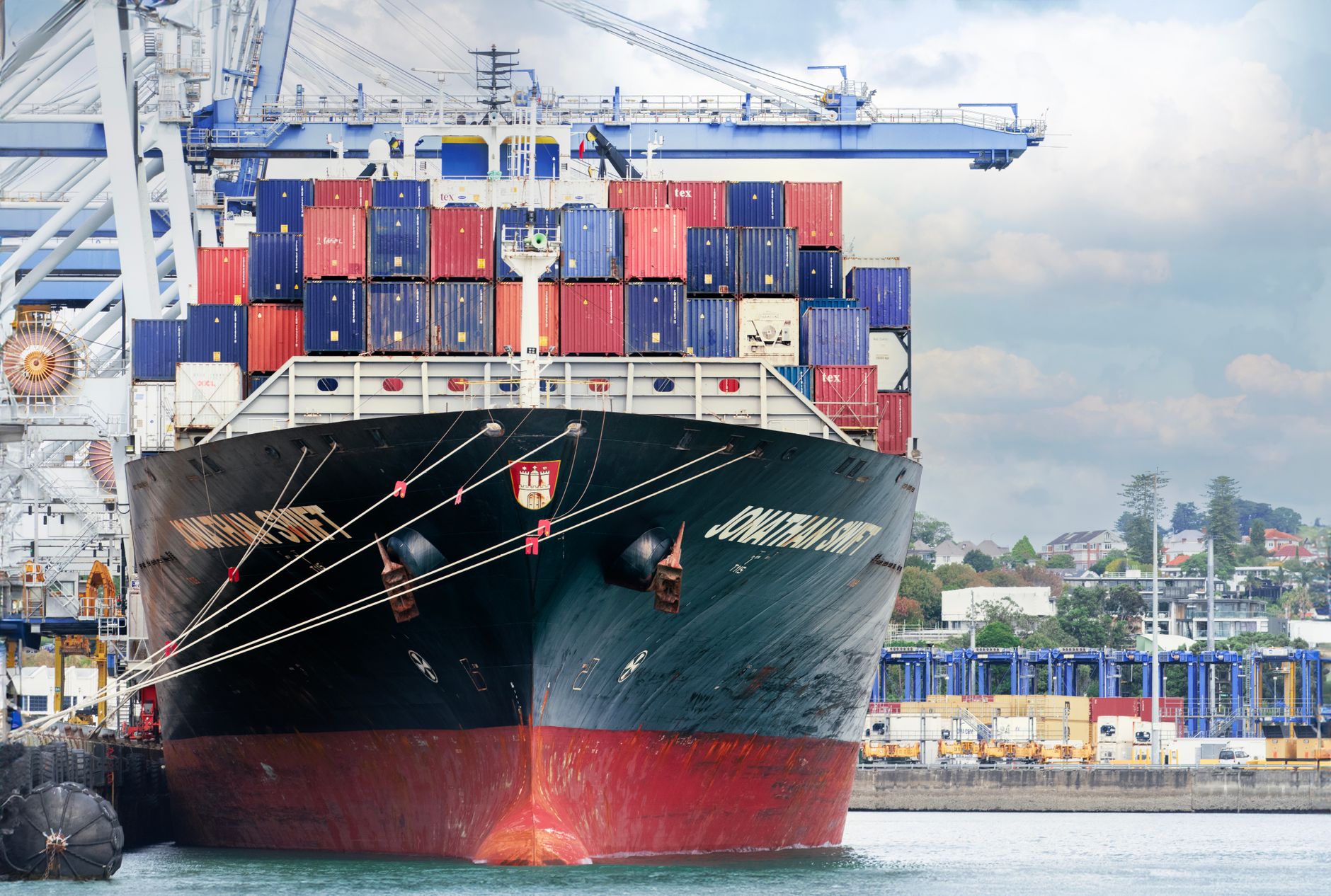
India New Zealand FTA takes effect, providing Indian exports zero-duty access to New Zealand markets, significantly boosting trade opportunities.
Overview of the India New Zealand FTA
The India New Zealand Free Trade Agreement (FTA) has recently taken effect, marking a significant milestone in bilateral trade relations. This agreement aims to provide Indian exports with zero-duty access to New Zealand’s market, enhancing the potential for growth in various sectors.
Under the India New Zealand FTA, several industries are expected to benefit, including:
- Agriculture: Indian farmers can export fruits and vegetables without facing high tariffs.
- Textiles: The textile and apparel industry is poised to gain from improved access.
- Pharmaceuticals: Indian pharmaceutical companies will find opportunities with reduced trade barriers.
- Services: Professionals in sectors like IT and healthcare can now explore new avenues.
This agreement not only facilitates trade but also strengthens the economic ties between India and New Zealand. However, stakeholders are analyzing whether this deal will indeed be the best path forward for exports, considering potential challenges and competition in the New Zealand market.
Benefits for Indian Exports
The recent implementation of the India New Zealand FTA is poised to offer significant advantages for Indian exports. This agreement facilitates zero-duty access for a range of Indian goods, enhancing their competitiveness in the New Zealand market.
Key benefits for Indian exporters include:
- Increased Market Access: The FTA allows Indian products to enter New Zealand without tariffs, potentially boosting sales.
- Diverse Product Categories: Sectors like textiles, pharmaceuticals, and agricultural products stand to gain from reduced trade barriers.
- Strengthened Bilateral Relations: The FTA fosters closer economic ties, promoting collaboration and investment opportunities between the two countries.
- Enhanced Competitiveness: Indian exporters can leverage the zero-duty advantage to compete effectively against other nations.
Overall, the India New Zealand FTA presents a promising opportunity for Indian exports to flourish in an increasingly globalized market, making it a strategic move for enhancing trade relations.
Key Features of the Agreement
The recently implemented India New Zealand FTA presents several key features that aim to enhance trade relations between the two nations. This agreement is designed to facilitate smoother access for Indian exports, providing zero-duty access for a range of products.
- Tariff Elimination: The FTA aims to eliminate tariffs on 85% of goods traded between India and New Zealand, thereby promoting a more competitive market for Indian exporters.
- Services and Investment: It includes provisions for the liberalization of trade in services and investment, encouraging Indian businesses to explore opportunities in New Zealand.
- Cooperation in Technology: The agreement emphasizes collaboration in technology transfer, particularly in sectors like agriculture and renewable energy.
- Trade Facilitation Measures: Various measures are introduced to streamline customs procedures and reduce trade barriers, making it easier for Indian products to enter the New Zealand market.
Overall, the India New Zealand FTA seeks to bolster economic ties and create a favorable environment for Indian exports.
Impact on Trade Relations
The India New Zealand FTA is poised to significantly impact trade relations between the two countries. By granting Indian exports zero-duty access, the agreement is expected to enhance bilateral trade volume. This new framework allows for a more streamlined process in which Indian goods can penetrate the New Zealand market with reduced tariffs, potentially increasing competitiveness.
Moreover, the FTA could foster deeper economic ties, encouraging collaboration in sectors such as agriculture, textiles, and technology. As both nations work towards mutual growth, the agreement may also pave the way for further negotiations in other areas, such as investment and services.
However, it is essential to consider the challenges that may arise from this partnership. For instance, New Zealand has a strong agricultural sector, which might pose competition for Indian farmers. Balancing these interests will be crucial as the two countries navigate the evolving landscape of international trade.
- Zero-duty access: A key advantage for Indian exporters.
- Enhanced cooperation: Opportunities for collaboration in various sectors.
Challenges Ahead for Implementing the FTA
Despite the promising outlook of the India New Zealand FTA, several challenges may impede its successful implementation. One of the primary concerns is the disparity in the economic scales of the two nations. While India is a rapidly growing economy, New Zealand’s market is relatively smaller, potentially limiting the overall impact of the agreement.
Another significant challenge lies in the regulatory frameworks and bureaucratic hurdles that can slow down the process of trade facilitation. Import-export regulations, customs procedures, and compliance standards may differ widely, creating complexities for businesses looking to take advantage of the new opportunities.
Furthermore, there are apprehensions regarding competition. Indian exporters may face stiff competition from established New Zealand firms that have a strong foothold in the market. This could lead to market saturation in certain sectors, affecting the profitability of Indian goods.
Lastly, both countries need to ensure that the FTA remains flexible and adaptable to future economic changes, which will be crucial for its long-term success.
Legal Considerations and Compliance
The implementation of the India New Zealand FTA brings several legal considerations and compliance requirements for exporters. It is crucial for businesses to understand the regulatory framework established by the agreement to fully benefit from the zero-duty access it offers.
Exporters must ensure adherence to the rules of origin, which determine the eligibility of goods for preferential treatment under the FTA. This involves:
- Documenting the origin: Businesses need to maintain accurate records to prove that their products meet the required criteria.
- Understanding tariff classifications: Correctly classifying goods is essential to avoid penalties and ensure compliance with the agreement.
- Staying updated: Legal frameworks can evolve, so exporters must stay informed about any changes in regulations related to the India New Zealand FTA.
Failure to comply with these legal requirements may result in loss of duty benefits, highlighting the importance of thorough preparation and ongoing education in navigating the complexities of international trade.